The Christian Association of Nigeria (CAN) in the 19 Northern states and the Federal Capital Territory (FCT) has declared that the persistent killings of Christians in parts of Northern Nigeria amount to genocide, calling on both local and international authorities to recognize it as such.
In a strong statement issued on Thursday after an emergency meeting in Kaduna, the regional CAN leadership condemned the continued targeted attacks, abductions, and destruction of churches across several Northern states, insisting that denial of the atrocities represents “an injustice to victims and the entire Christian faith community.”
Killings Systematic, Not Coincidental — Northern CAN
Speaking through its spokesperson, Rev. John Joseph Hayab, the association said that the violence against Christians has become systematic and widespread, taking the form of coordinated assaults by armed groups, bandits, and extremist elements operating in rural communities.
“The killings of Christians in Northern Nigeria have reached genocidal levels. It is not an isolated occurrence but a consistent pattern of religiously motivated attacks. Denying this reality is a grave injustice to the victims and an insult to our shared humanity,” the statement read.
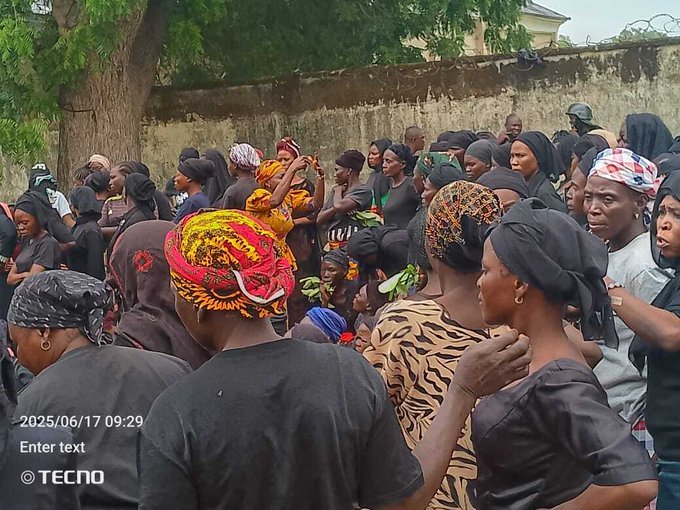
CAN emphasized that the affected communities have suffered large-scale displacement, destruction of farmlands, and economic paralysis — consequences that continue to deepen poverty and insecurity in the region.
Calls for Government Action
The Christian body urged the Federal Government to treat the matter as a national emergency, demanding the arrest and prosecution of perpetrators and their sponsors. It also called for improved intelligence sharing among security agencies, and greater protection of vulnerable rural communities in Plateau, Kaduna, Benue, Taraba, Niger, and parts of Borno and Adamawa States.
“We call on President Bola Tinubu’s administration to prioritize the protection of all Nigerians, regardless of religion or ethnicity. Justice must not only be done but must be seen to be done,” the statement added.
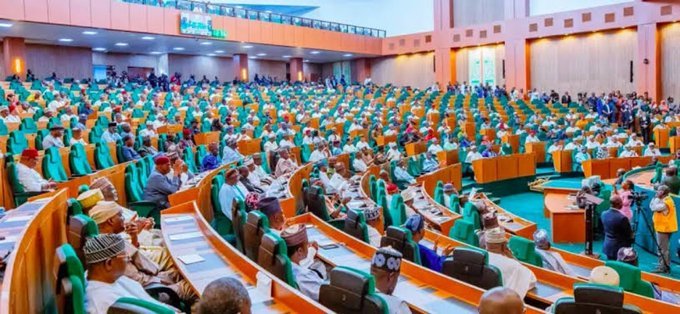
CAN also appealed to the National Assembly to launch a parliamentary inquiry into the killings and the displacement of Christian communities in the North, describing silence in the face of such violence as “morally indefensible.”
International Community Urged to Take Note
The Northern CAN leadership appealed to the United Nations, African Union, and global human rights organizations to take cognizance of the situation and apply diplomatic pressure to ensure accountability and justice for victims.
“The world must not turn a blind eye to what is happening in Northern Nigeria. The denial of this genocide emboldens the perpetrators and deepens the wounds of those who have lost loved ones,” the statement emphasized.
Background: Escalating Violence and Religious Tensions
Over the past decade, Nigeria’s North has witnessed persistent attacks by armed groups, often targeting farming communities and religious minorities. According to various human rights reports, thousands of civilians—many of them Christians—have been killed or displaced from their ancestral homes in Plateau, Kaduna, Benue, and Taraba States.
While the government has repeatedly described the violence as “banditry” or “communal conflict,” church leaders insist that the religious dimension cannot be ignored. Humanitarian agencies estimate that more than 3 million Nigerians have been displaced internally due to ongoing insecurity.
CAN’s Call for National Reconciliation
The Christian Association reiterated its belief in Nigeria’s unity but stressed that genuine peace cannot be achieved without justice and equal protection under the law. It urged both Christian and Muslim leaders to promote dialogue, tolerance, and mutual respect to prevent further division along religious lines.
“Nigeria belongs to all of us. Our faiths teach peace, not bloodshed. We must work together to end this culture of impunity and rebuild trust across communities,” Rev. Hayab said.
Conclusion
The declaration by the Northern CAN marks one of the strongest public condemnations of religious violence in recent years. It reignites debate over how the government defines and responds to attacks on faith-based communities, amid growing pressure for accountability and reform within the nation’s security and justice systems.