In a moving show of faith and resilience, the Christ Apostolic Church, Oke Isegun, in Eruku town, Kwara State, reopened for worship on Sunday, just days after armed bandits stormed the sanctuary, killing several people and abducting 38 congregants. The somber service became both a memorial for the dead and a unified cry for divine intervention to rescue the kidnapped worshippers still held in captivity.
A Night of Terror
The attack occurred on Tuesday, November 18, during a regular midweek service. Dozens of worshippers had gathered when gunmen believed to be armed bandits invaded the church. According to witnesses, the attackers opened fire indiscriminately, forcing people into panic and attempting to flee.
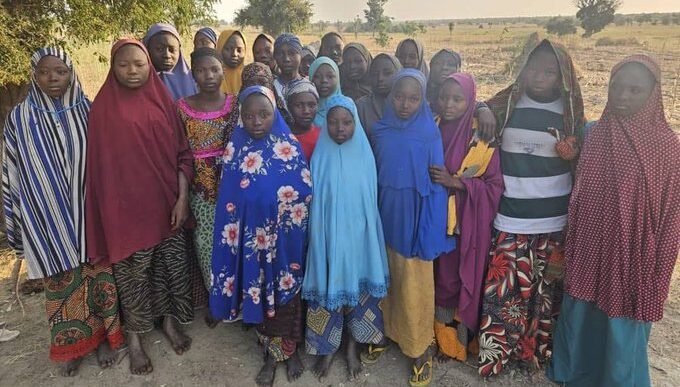
By the end of the raid, at least three people had been confirmed dead, including a local vigilante member, while several others sustained injuries. Some sources reported that the death toll could be as high as five. The assailants herded 38 worshippers into the bush and disappeared into surrounding forests.
The victims included the church pastor, families, teenagers, and several visitors who had accompanied church members to the service. While many residents of the area are familiar with the threat of bandit attacks, the invasion of a place of worship shocked the community and sparked widespread public condemnation.
Church Confirms Total of 38 Abducted
Days after confusion over the exact number of those kidnapped, church authorities officially confirmed that 38 people were taken. Initial counts noted 35 missing, but three more were later found to be among the abducted. The church leadership clarified the figures in order to dispel rumors that had circulated shortly after the attack.
Some of those taken were not members of the church but had been in attendance at the service or were visiting relatives in the community. Families of the victims have been left traumatized, waiting anxiously for updates and holding on to hope that their loved ones will return unharmed.
Kidnappers Demand Multi-Billion Naira Ransom
According to families contacted by the kidnappers, the abductors demanded 100 million naira per victim, a ransom totaling nearly 3.8 billion naira. The captors reportedly split the victims into groups and used the victims’ mobile phones to establish negotiation channels with their families.
There were indications that after initial discussions, the ransom demand per person was later reduced in some cases. However, communication between the abductors and certain families ceased abruptly, increasing anxiety and leaving relatives uncertain about the fate of their loved ones.
For many of the affected families, the financial demands are far beyond anything they can afford. Some have begun selling assets while others plead with the government and security agencies to intensify rescue operations rather than place them in a position where ransom payments encourage further attacks.
Worship Resumes Amid Grief and Determination
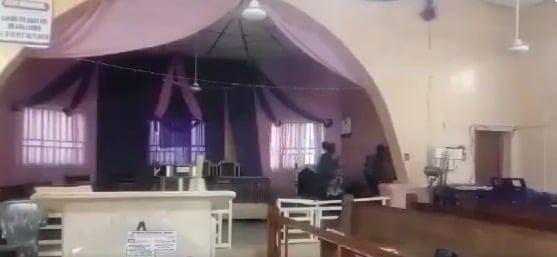
Despite the pain of the attack, the church leadership made the decision to resume service the following Sunday. The auditorium, once filled with screams of terror, became a house of worship again—this time filled with tears, solemn prayers, and chants of hope.
The service was led by Pastor Bamidele Lawrence, who encouraged the congregation to see the tragic events as a test of faith rather than a defeat. He urged believers to remain strong, confident that the abducted members would return safely.
The congregation spent much of the service in prayer, interceding for the victims, the authorities, and the community. A palpable sense of resilience permeated the atmosphere, with many attendees expressing the belief that abandoning worship would only give victory to fear.
The pastor reassured the church that he believed divine intervention would bring their members home alive, insisting that none of the abducted would die in captivity.
Tight Security Presence During Church Service
Given the trauma of the attack, security presence during Sunday service was extremely heavy. The church premises were secured by multiple armed units, including local vigilantes and specialized tactical police teams.
Residents reported that security patrols had been intensified across Eruku and neighboring villages in recent days, with additional checkpoints established. The deployment followed widespread criticism that security agencies failed to prevent the initial attack despite warnings that criminal activity had been increasing in the area.
Meanwhile, the Kwara State Police Command dismissed viral videos claiming that suspects had already been arrested, describing such reports as false. Security agencies say operations are ongoing in surrounding forests and border areas to locate the abducted worshippers and dismantle the gang responsible.
Families Speak: “Bring Them Back Alive”
In the aftermath of the attack, heart-wrenching stories have emerged from relatives of those taken:
- One community leader who lost multiple relatives in the abduction recounted jumping through a church window to escape gunfire.
- Another church member, whose wife and child were among those kidnapped, begged authorities to increase rescue efforts and relieve families of the burden of ransom negotiations.
- Some families expressed frustration at what they see as delayed response times from security forces.
Many households in Eruku have been plunged into silence, their daily routines suspended as they await news of their loved ones.
Community Leaders Demand Accountability
Traditional rulers, youth groups, and community elders have demanded stronger security interventions following the attack. They argue that Sunday’s tragedy is a manifestation of longstanding neglect of rural communities.
The Owa of Eruku, the town’s traditional ruler, appealed to both state and federal governments to treat the attack as a national emergency. He stressed that churches, schools, and residential communities in the area had repeatedly issued warnings about bandit infiltration prior to the attack.
Local youth groups have also asked authorities to conduct a transparent investigation into how the assailants were able to infiltrate the church without warning and stage such a massive abduction.
Rising Insecurity: A National Crisis
The Eruku church attack forms part of a broader trend of escalating insecurity and ransom-driven kidnappings across Nigeria. In many cases, gangs target rural communities and religious institutions, knowing they have limited security infrastructure and slower emergency response capabilities.
Observers note that these criminal networks are increasingly organized, sometimes using military-grade weapons and highly coordinated attack strategies. For many of the criminals, kidnappings have become a lucrative business, fueled by large payouts and weak prosecution rates.
In response to the recent attack, authorities in Kwara closed several schools and public institutions, fearing that other groups could stage additional assaults in nearby areas.
A Community Unbroken
For Eruku residents, the choice to reopen the church was more than symbolic. It represented a rejection of fear, a refusal to abandon their shared faith, and a commitment to stand together in the face of intimidation.
The church continues to call for prayers, government intervention, and community vigilance. Members insist that their faith—not fear—will define the next chapter of their story.
Yet beneath the resolve lies a deep and painful reality: 38 worshippers remain missing. Their families wait, their community prays, and security forces continue the search.
For now, Eruku stands in the balance—hoping that a miracle, or decisive action, will return their loved ones home safely and restore peace to a community shaken but not destroyed.