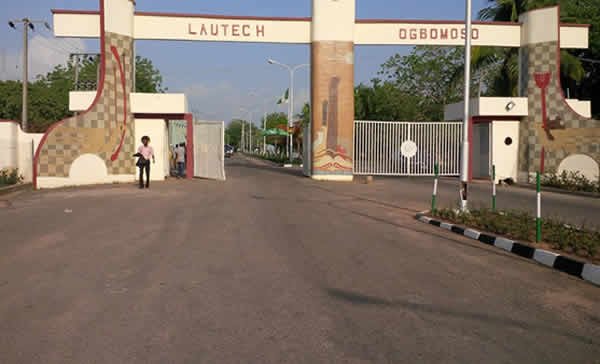
After four months of disruptive industrial action that paralysed medical training and healthcare teaching at one of Nigeria’s foremost state-owned universities, medical lecturers at Ladoke Akintola University of Technology (LAUTECH), Ogbomoso, have suspended their strike. The development brings relief to thousands of medical students, parents, university administrators, and the wider academic and healthcare community across Oyo and Osun states.
The strike, declared by medical lecturers under the platform of the Medical and Dental Consultants’ Association of Nigeria (MDCAN) at LAUTECH, had stalled academic activities at the College of Medicine and affected teaching hospitals linked to the institution. With the decision to suspend the industrial action, formal academic activities are expected to resume immediately, paving the way for the normalization of disrupted academic calendars and clinical training programmes.
Background of the Four-Month Strike
The industrial action by LAUTECH medical lecturers began amid longstanding grievances bordering on poor funding, unpaid entitlements, inadequate infrastructure, and unresolved welfare issues affecting both academic and clinical operations. The lecturers accused the Oyo and Osun state governments—joint owners of the institution—of failing to meet critical obligations necessary for quality medical training and efficient healthcare delivery.
Among the key demands were outstanding salaries and allowances, improved funding for teaching hospitals, the recruitment of additional medical personnel to address manpower shortages, and the provision of modern equipment necessary for clinical teaching and research.
Medical education at LAUTECH is closely tied to the LAUTECH Teaching Hospital in Ogbomoso and the Osun State University Teaching Hospital in Osogbo, both of which play central roles in clinical training. The strike disrupted not only classroom teaching but also ward rounds, surgical postings, laboratory practicals, and other hands-on components critical to medical and health science education.
Impact on Students and Healthcare Services
The four-month strike had severe consequences for students and healthcare services in the region. Final-year medical students, in particular, faced uncertainty over graduation timelines, housemanship placements, and licensing examinations. Many students were forced to remain idle, incurring additional accommodation and feeding costs while grappling with emotional and psychological stress.
Pre-clinical and clinical students alike were unable to complete essential coursework and practical requirements, raising fears of prolonged delays in graduating new doctors, nurses, and allied health professionals from the institution.
Beyond the university, the strike also affected patient care at affiliated teaching hospitals. The absence of consultant lecturers reduced the number of specialized medical services available, leading to longer waiting times for patients, limited elective surgeries, and increased pressure on resident doctors and other healthcare workers who were compelled to shoulder expanded responsibilities.
Public health advocates warned that prolonged disruption at a major medical training institution such as LAUTECH posed risks not only to academic continuity but also to the healthcare capacity of the surrounding communities.
Negotiations and Breakthrough
The suspension of the strike followed weeks of renewed negotiations involving representatives of the medical lecturers, the university management, and officials of the Oyo and Osun state governments. Credible sources within the negotiation process indicated that progress was made on key demands relating to funding disbursement, payment of outstanding entitlements, and commitments to infrastructural upgrades.
While full details of the agreement that led to the suspension have not been made public, it is understood that the governments provided assurances on time-bound implementation of critical financial and administrative obligations. These assurances reportedly convinced the lecturers to suspend the strike in the interest of students and public health.
Union leaders were said to have emphasized that the suspension is a strategic decision to allow dialogue to continue in a peaceful atmosphere, rather than a complete abandonment of their demands. They reportedly warned that failure by the authorities to honor the agreed terms could trigger a resumption of industrial action.
Official Confirmation and Statements
In a statement confirming the suspension, the leadership of the medical lecturers expressed appreciation to students, parents, and the general public for their patience and support throughout the strike period. The association acknowledged the hardship caused by the prolonged stoppage but maintained that the action was a necessary step to draw attention to systemic problems undermining medical education at LAUTECH.
University authorities also welcomed the development, describing it as a major step toward restoring normalcy to academic and clinical activities. The management assured the university community that arrangements were already in place to facilitate the immediate resumption of lectures, practicals, and hospital-based training.
Officials of the Oyo and Osun state governments similarly expressed optimism that the resolution would strengthen collaboration between all stakeholders and prevent future disruptions. They reiterated their commitment to improving funding and ensuring the long-term stability of the institution.
Road to Academic Recovery
With the strike now suspended, attention is shifting to how quickly LAUTECH can recover lost academic time. The university management is expected to announce a revised academic calendar to accommodate missed lectures, examinations, and clinical postings.
For medical students, the resumption of academic activities will likely involve intensified schedules, extended semesters, and possible adjustments to examination timelines to ensure that no cohort is unduly disadvantaged. Clinical rotations, ward postings, and laboratory work will need to be carefully reorganized to meet accreditation requirements.
Education experts have warned that rushing through academic content could compromise training quality, especially in a field as sensitive as medicine. They have therefore called on the university and relevant regulatory bodies to strike a balance between catching up on lost time and maintaining rigorous academic standards.
Broader Implications for Medical Education in Nigeria
The LAUTECH strike is the latest in a series of industrial actions that have plagued Nigeria’s tertiary education sector, particularly in medical and health-related disciplines. Frequent strikes by academic and clinical staff have raised serious concerns about the sustainability of medical training in public universities.
Nigeria already faces a severe shortage of doctors, nurses, and allied health professionals relative to its population. Prolonged disruptions in training institutions worsen this deficit and contribute to the rising wave of medical professionals seeking opportunities abroad.
Stakeholders have repeatedly called for comprehensive reforms in the funding and governance of medical education. They argue that sustainable solutions, rather than reactive crisis management, are needed to stabilize teaching hospitals and retain skilled personnel.
Students React with Relief and Cautious Optimism
Reactions from students following the announcement of the strike suspension have been largely positive, though tempered with caution. Many students described the news as a huge relief after months of anxiety and uncertainty.
Final-year students, in particular, expressed hope that they would soon be able to complete their training and proceed to housemanship without further interruptions. However, some students also voiced concerns about whether all academic activities would resume smoothly and whether previously scheduled examinations would be conducted without further delays.
Parents and guardians welcomed the development but urged the state governments to take lasting steps to address the root causes of the crisis. Many lamented the financial and emotional toll the prolonged strike had taken on families.
The Role of State Governments
LAUTECH is jointly owned by Oyo and Osun states, a unique ownership structure that has often complicated decision-making and funding. Over the years, disputes between the two states over financial responsibilities have contributed to recurrent industrial unrest at the institution.
Education analysts note that the sustainability of peace at LAUTECH largely depends on consistent collaboration between both states and a clear framework for funding obligations, staff welfare, and infrastructural development.
The latest strike suspension has once again highlighted the need for both governments to move beyond ad-hoc interventions and adopt a long-term strategy for the management and funding of the university’s medical college.
Teaching Hospitals and Healthcare Delivery
With lecturers returning to duty, teaching hospitals affiliated with LAUTECH are expected to gradually restore full clinical services. Patients who had deferred treatment or sought care elsewhere due to limited specialist availability may now begin returning for consultations and procedures.
Hospital administrators are expected to prioritize critical cases and reorganize clinical schedules to address the backlog created by the strike. Resident doctors and other healthcare personnel who bore the brunt of service delivery during the industrial action are also expected to benefit from restored academic supervision and mentorship.
Cautious Hope for Stability
While the suspension of the four-month strike marks a significant step toward stability, stakeholders remain cautious. Past experiences in Nigeria’s university system show that strike suspensions, as opposed to total resolutions, can be fragile if agreements are not fully implemented.
Medical lecturers at LAUTECH have reportedly made it clear that their decision is conditional on the fulfillment of the commitments entered into with the state governments and university authorities. Monitoring mechanisms are expected to be put in place to track the progress of implementation.
Conclusion
The suspension of the four-month strike by medical lecturers at Ladoke Akintola University of Technology represents a major relief for students, parents, and the healthcare sector in Oyo and Osun states. It signals renewed hope for the restoration of medical training and improved healthcare services after a prolonged period of disruption.
However, the long-term impact of this breakthrough will depend on the sincerity and consistency of government actions, the strength of institutional reforms, and the willingness of all parties to prioritize the future of medical education over repeated cycles of industrial conflict.
As lectures resume and hospitals reopen to full capacity, the focus now shifts to rebuilding lost time, restoring confidence in the system, and laying the foundation for a more stable and resilient medical education framework at LAUTECH and beyond.