— December 11, 2025
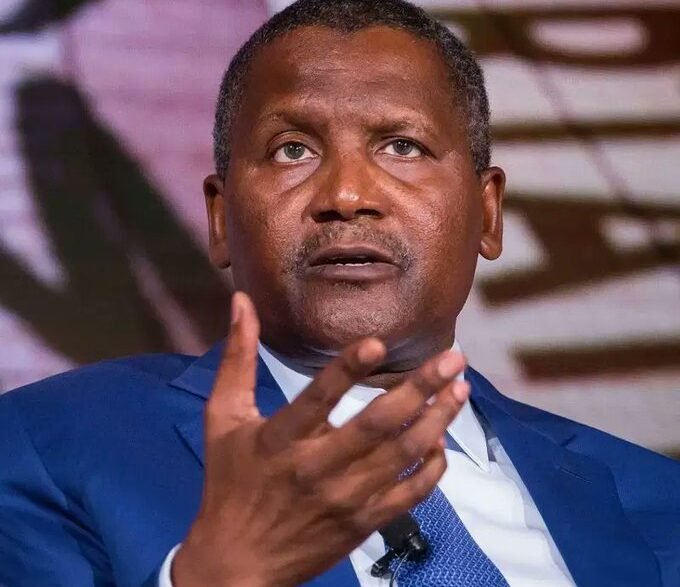
Africa’s richest man and Chairman of the Dangote Group, Alhaji Aliko Dangote, has unveiled a landmark N100 billion annual education support programme, a nationwide initiative designed to keep financially vulnerable Nigerian students in school and drastically reduce dropout rates across the country.
The announcement marks one of the largest private sector education interventions in Nigeria’s history, further cementing Dangote’s longstanding reputation as one of Africa’s most impactful philanthropists.
A Bold Step to Tackle Nigeria’s Escalating Education Crisis
Nigeria is currently home to one of the highest out-of-school populations in the world, with millions of children and young adults facing financial, social, and infrastructural barriers that hinder their education. Over the past decade, economic downturns, insecurity, and rising living costs have worsened school retention rates.
Dangote, expressing deep concern about the growing crisis, said the new funding initiative is aimed at ensuring no Nigerian child drops out of school due to poverty. He emphasized that education remains the foundation of national development, economic growth, and social stability.
According to him, the goal is straightforward:
“No child should be denied education because their families cannot afford it. This N100 billion programme will support the students who need it most and secure Nigeria’s future.”
What the N100 Billion Annual Programme Will Cover
The Dangote Education Support Programme is expected to operate across all 36 states and the FCT, targeting students from primary school through tertiary institutions. The initiative will include:
1. Full Scholarships for Vulnerable Students
The programme will provide full tuition, accommodation, study materials, and feeding allowances for thousands of students annually, with priority given to:
- Children from low-income households
- Orphans and internally displaced children
- Students in rural and underserved communities
- Outstanding students at risk of dropping out
2. School Infrastructure Support
Dangote plans to fund the construction and rehabilitation of classrooms, laboratories, libraries, and digital learning centers, especially in public schools struggling with infrastructural decay.
3. Teacher Training & Capacity Building
A portion of the fund will go into upskilling teachers, training educators in modern teaching methods, and improving teacher welfare to enhance learning outcomes.
4. Digital Education & Technology Access
The programme will expand technology access for students by providing:
- Laptops and tablets
- Internet-enabled learning hubs
- Digital literacy programs
- E-learning platforms for remote communities
5. Emergency Educational Support
Funds will be dedicated to students affected by crises such as displacement, natural disasters, community conflict, or economic shocks.
Why the Intervention Matters Now
The timing of Dangote’s announcement is significant. Nigeria’s education sector is currently challenged by:
- Rising poverty rates
- Increasing number of child laborers
- Widespread insecurity disrupting school attendance
- Economic pressures forcing families to withdraw children from school
- Underfunding of public education infrastructure
Experts warn that unless deliberate and substantial action is taken, the consequences could be catastrophic for Nigeria’s long-term development.
Education economists have repeatedly stressed that when youth lack access to education, countries suffer long-term consequences including:
- Reduced workforce competitiveness
- Increased crime rates
- Lower national productivity
- Slow technological advancement
- Deepening multidimensional poverty
Dangote’s intervention is therefore seen by many analysts as a timely response to one of the nation’s most urgent challenges.
Government and Public Reactions
Officials across federal and state levels have praised the initiative. Though the government has not yet issued a formal statement, sources within the Ministry of Education say the programme aligns with Nigeria’s goal of improving school enrollment and literacy rates.
Civil society groups, educators, and parent associations have also welcomed the development, calling it “historic,” “transformative,” and “a major milestone for Nigerian children.”
One education advocate noted:
“The impact of this programme will be generational. When children stay in school, the benefits ripple through families, communities, and the economy.”
Across social media, many Nigerians reacted with overwhelming support, applauding Dangote for what users described as a “nation-building gesture” and a “powerful example of responsible wealth.”
Dangote’s Broader Philanthropic Commitments
The new education programme adds to Dangote’s long list of philanthropic interventions through the Dangote Foundation, which has invested billions of naira in:
- Healthcare (including nutrition, maternal and child health, disease response)
- Poverty eradication
- Economic empowerment
- Humanitarian relief
- Youth and women empowerment
Over the years, his foundation has provided scholarships, built schools, donated learning facilities, and funded vocational and technical education for thousands of students.
The N100 billion annual commitment, however, represents the most ambitious and structured intervention yet—signaling a shift toward long-term, systemic education reform.
Expected Impact Over the Next Decade
If implemented consistently over the next 10 years, the Dangote Education Support Programme could:
- Keep millions of children in school
- Reduce dropout rates significantly
- Improve literacy and graduation rates
- Strengthen Nigeria’s educational infrastructure
- Create a more skilled and employable workforce
- Reduce poverty and social inequality
- Boost Nigeria’s global competitiveness
Education experts predict that the initiative could help Nigeria make substantial progress toward achieving SDG 4—Quality Education—by 2030.
How Beneficiaries Will Be Selected
Though Dangote has not yet released full operational details, early indications suggest:
- A transparent nationwide application process
- Collaboration with state education boards
- Prioritization of economically disadvantaged students
- Inclusion of both public and private school students where necessary
- Annual monitoring and evaluation mechanisms
Community leaders, school principals, and verified NGOs are also expected to play roles in identifying eligible beneficiaries.
Education analysts say ensuring transparency, fairness, and accountability in the distribution process will be crucial to the programme’s success.
Potential Challenges Ahead
While the announcement has been widely celebrated, experts warn that the programme may face several challenges, including:
- Coordination across diverse regions
- Ensuring equitable access
- Preventing political interference
- Managing large-scale logistics
- Ensuring sustainability and effective monitoring
However, Dangote’s history of large-scale project execution—such as the refinery, cement plants, and agricultural investments—suggests a high capacity to manage complex operations.
A Turning Point for Nigerian Education
As Nigeria grapples with economic pressures, widespread poverty, and declining educational standards, Dangote’s N100 billion annual education programme stands out as a bold and visionary attempt to rewrite the narrative.
If successfully implemented, the initiative could become one of the most impactful philanthropic programmes ever undertaken in Africa—transforming the lives of millions of children and strengthening Nigeria’s developmental trajectory for decades to come.
Conclusion
Aliko Dangote’s announcement signals a new chapter in Nigeria’s battle against educational inequality. By investing directly in the future of vulnerable students, the business titan is not only providing financial assistance but also offering hope, stability, and opportunity to young Nigerians whose dreams have been threatened by poverty.
This historic intervention could prove to be a defining moment in Nigeria’s journey toward a more educated, empowered, and prosperous society.