The Independent National Electoral Commission (INEC) has officially resumed the nationwide Continuous Voter Registration (CVR) exercise, marking the commencement of the second phase of voter registration across Nigeria. The development represents a major step in INEC’s preparations toward strengthening the country’s democratic process ahead of future elections, while expanding opportunities for eligible Nigerians to participate actively in governance.
The resumption of the CVR comes after the successful conclusion of the first phase, which ran for several months and recorded millions of new and updated voter entries nationwide. According to INEC, the second phase is designed to consolidate the gains of the first phase, address gaps identified during earlier exercises, and ensure that no eligible voter is excluded from the electoral register.
Renewed Push for Inclusive Democratic Participation
INEC’s nationwide voter registration exercise is a core component of Nigeria’s electoral framework. Under the law, voter registration in Nigeria is continuous, allowing eligible citizens to register, update their details, or make corrections outside election periods. However, due to administrative, logistical, and statutory requirements, the process is often conducted in clearly defined phases.
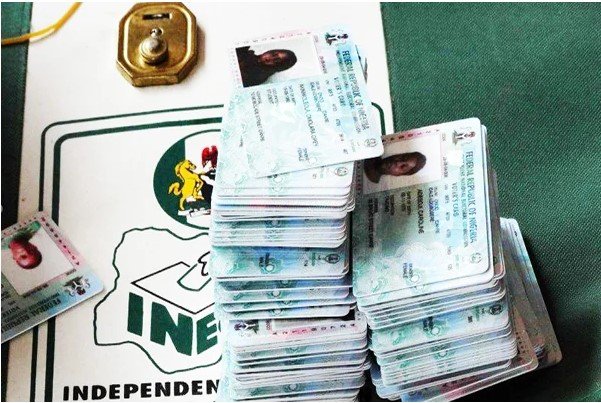
The second phase of the CVR aims to capture Nigerians who were unable to register during the first phase, as well as those who have recently attained voting age. It also provides an opportunity for registered voters to transfer their registration, replace lost or damaged Permanent Voter Cards (PVCs), or correct errors such as misspellings of names, incorrect dates of birth, or outdated photographs.
INEC has repeatedly emphasized that voter registration is both a civic right and a civic responsibility. By resuming the exercise nationwide, the commission seeks to encourage broader participation in elections and deepen public confidence in the electoral system.
Scope and Coverage of the Second Phase
The second phase of the Continuous Voter Registration is taking place across all states of the federation and the Federal Capital Territory (FCT), with activities conducted at INEC state offices, local government area offices, and other designated registration centers.
INEC officials have confirmed that trained personnel and registration equipment have been deployed nationwide to ensure a smooth and efficient process. The commission has also assured the public that measures are in place to prevent overcrowding, reduce waiting times, and address challenges experienced in previous registration exercises.
While the CVR is nationwide, INEC has noted that certain areas may experience temporary adjustments due to ongoing electoral or administrative activities. In such cases, the commission has pledged to communicate clearly with the public and provide alternative arrangements or updated schedules where necessary.
Who Can Participate in the Second Phase
The resumed voter registration exercise is open to several categories of Nigerians, including:
First-time voters who have attained the age of 18 since the last registration exercise or who were previously unable to register.
Eligible citizens who did not participate in the first phase of the CVR for any reason.
Registered voters who wish to transfer their registration due to relocation to a new state, local government area, or polling unit.
Individuals seeking to replace lost, stolen, or damaged Permanent Voter Cards.
Voters who need to correct personal information such as names, dates of birth, gender, or photographs.
INEC has reiterated that only Nigerian citizens who meet the constitutional requirements are eligible to register as voters. The commission has also warned against attempts at multiple registrations, emphasizing that such actions are illegal and punishable under the law.
Lessons from the First Phase
The first phase of the Continuous Voter Registration exercise recorded significant participation across the country. INEC disclosed that millions of Nigerians successfully completed their registration during that phase, both through physical registration centers and online pre-registration platforms where available.
Despite the success, the first phase was not without challenges. Reports from various parts of the country highlighted issues such as long queues, technical glitches, limited equipment in high-population areas, and logistical constraints. INEC has acknowledged these challenges and stated that lessons learned have informed improvements introduced in the second phase.
According to the commission, additional registration machines have been deployed in busy centers, personnel have undergone further training, and internal monitoring mechanisms have been strengthened to ensure compliance with guidelines and standards.
Strengthening Electoral Credibility
The resumption of voter registration is widely seen as a critical step toward enhancing the credibility of Nigeria’s electoral process. A credible voter register is fundamental to free, fair, and transparent elections, as it helps to prevent electoral fraud, reduce disputes, and ensure that election outcomes reflect the will of the people.
INEC has consistently maintained that continuous voter registration is essential for keeping the national voter database accurate and up to date. Population dynamics such as migration, aging, and changes in personal details make periodic updates necessary.
By commencing the second phase well ahead of major electoral timelines, the commission aims to avoid last-minute rushes that often strain resources and create public frustration. This proactive approach, INEC believes, will contribute to smoother electoral operations in the future.
Public Awareness and Civic Education
As part of the second phase rollout, INEC has intensified public awareness campaigns to inform citizens about the registration process, eligibility requirements, and locations of registration centers. The commission is working with civil society organizations, community leaders, and the media to spread accurate information and counter misinformation.
INEC has urged Nigerians to rely on official announcements and verified channels for updates on the CVR, warning that false information can discourage participation or create unnecessary confusion. The commission has also emphasized the importance of orderly conduct at registration centers and cooperation with INEC officials.
Civic groups have welcomed the resumption of voter registration, noting that it provides a renewed opportunity to engage young people, first-time voters, and previously marginalized populations in the democratic process.
Security and Transparency Measures
INEC has assured the public that adequate security arrangements are in place at registration centers to ensure the safety of staff and registrants. Collaboration with security agencies is aimed at maintaining order and preventing disruptions during the exercise.
In terms of transparency, the commission has reiterated its commitment to open processes, including the eventual public display of the voters’ register for claims and objections. This stage allows citizens to verify their details, report errors, and raise concerns about suspicious entries, further strengthening the integrity of the register.
INEC has also reaffirmed that data collected during the registration process is protected under existing data protection regulations and used strictly for electoral purposes.
Looking Ahead
The commencement of the second phase of the Continuous Voter Registration underscores INEC’s ongoing efforts to build a more inclusive and credible electoral system in Nigeria. As the exercise continues, the commission has encouraged all eligible Nigerians to take advantage of the opportunity and ensure that their voter information is accurate and up to date.
With Nigeria’s population continuing to grow and evolve, sustained voter registration efforts remain essential. Observers note that the success of the second phase will depend not only on INEC’s preparedness but also on public cooperation and participation.
As the country looks toward future elections, the resumption of nationwide voter registration serves as a reminder that democracy thrives when citizens actively engage in the process. By registering to vote and keeping their records current, Nigerians play a direct role in shaping the leadership and policies that govern them.
INEC has pledged to continue refining its processes, addressing challenges as they arise, and working with stakeholders to deliver credible elections. The second phase of the CVR is therefore not just an administrative exercise, but a vital investment in Nigeria’s democratic future.