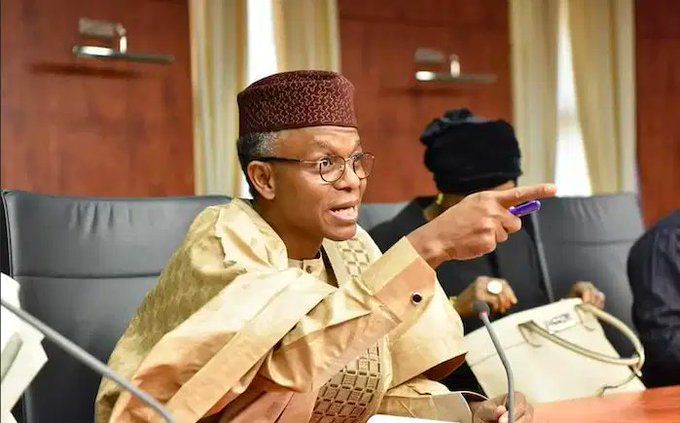
The Federal High Court sitting in Abuja on Tuesday adjourned the arraignment of former Kaduna State Governor, Nasir El-Rufai, to April 23, 2026, following procedural developments in the matter brought before the court.
The case, which has attracted significant public and political interest, was scheduled for arraignment before the Federal High Court in Nigeria’s capital territory. However, the proceedings did not go as initially planned, leading the presiding judge to fix a new date for April 23, 2026.
Court Proceedings in Abuja
At the resumed sitting, counsel representing the prosecution informed the court of pending issues requiring resolution before the formal arraignment could proceed. Legal representatives for the defendant also addressed the court, raising preliminary matters concerning documentation and service processes.
After hearing submissions from both sides, the court ruled that in the interest of justice and to ensure compliance with procedural requirements, the arraignment would be adjourned to a later date.
The presiding judge emphasized the need for all parties to adhere strictly to court directives and timelines to facilitate a smooth hearing when the case resumes.
Background of the Case
Although details of the specific charges were not fully ventilated in open court during the brief sitting, the case is understood to involve allegations arising from El-Rufai’s tenure as governor of Kaduna State between 2015 and 2023.
Nasir El-Rufai, a prominent figure in Nigeria’s political landscape, served two terms as governor and previously held positions including Minister of the Federal Capital Territory. Over the years, he has remained an influential voice within the ruling political class.
The charges reportedly stem from actions taken during his time in office, though prosecutors have yet to formally read the counts in court due to the adjournment.
Legal analysts note that arraignment is a critical stage in criminal proceedings, as it involves the formal reading of charges before the defendant, who then enters a plea. Until that process is completed, the substantive hearing of the case cannot begin.
Legal Significance of Arraignment
In Nigeria’s judicial system, arraignment marks the formal commencement of criminal trial proceedings. The accused person must be present in court, the charges must be read and explained in a language they understand, and the accused must enter a plea of guilty or not guilty.
Any procedural irregularity at this stage can potentially affect the entire trial. Courts often exercise caution to ensure that all requirements under the Administration of Criminal Justice Act (ACJA) and relevant constitutional provisions are strictly followed.
The adjournment, therefore, suggests that the court intends to avoid procedural defects that could later result in appeals or nullification of proceedings.
Political and Public Reactions
The development has already generated reactions across political circles and on social media platforms. Supporters of El-Rufai have described the adjournment as a routine legal development, urging patience and confidence in the judicial process.
Critics, however, argue that the case underscores growing calls for accountability among former public office holders.
As of the time of filing this report, El-Rufai had not made any public statement directly addressing the adjournment. Members of his legal team declined detailed comments, stating that they would address the issues fully in court.
Political observers believe the case could have broader implications for Nigeria’s political environment, particularly given El-Rufai’s stature and influence within national politics.
Federal High Court’s Role
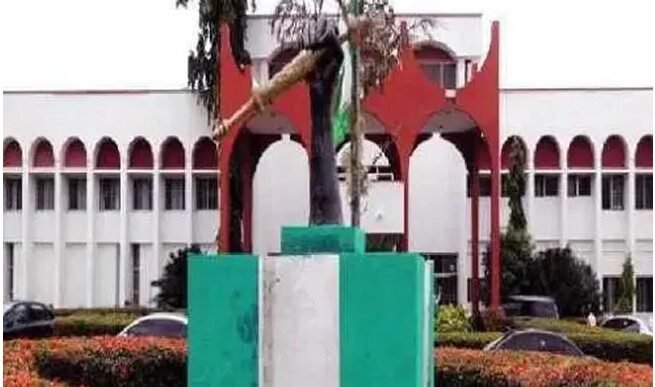
The Federal High Court, Abuja Division, is vested with jurisdiction over matters involving federal statutes, financial crimes, constitutional issues, and cases involving federal agencies.
The court frequently handles high-profile political and economic cases, making it a focal point for major legal proceedings in the country.
Security was reportedly tightened around the court premises during Tuesday’s sitting, reflecting heightened public interest in the matter.
Broader Context of Accountability
In recent years, Nigeria has witnessed an increase in legal actions involving former governors and senior government officials. Anti-corruption agencies have intensified efforts to investigate alleged financial mismanagement, abuse of office, and related offences.
Legal experts say the adjournment does not in itself indicate the strength or weakness of the case but reflects adherence to due process.
“The courts must ensure that procedural safeguards are strictly observed,” said a legal practitioner who spoke on condition of anonymity. “Any lapse at arraignment could jeopardize the integrity of the trial.”
What Happens Next?
With the new date set for April 23, 2026, both prosecution and defense teams are expected to use the intervening period to address outstanding procedural issues.
On the next adjourned date, the court is expected to proceed with the formal arraignment, during which the charges will be read, and El-Rufai will enter his plea.
Should he plead not guilty—as is typical in such cases—the court would likely set timelines for the commencement of trial, including the calling of witnesses and presentation of evidence.
If procedural objections persist, however, further legal arguments may be entertained before substantive proceedings begin.
Implications for Governance and Politics
El-Rufai remains a significant political figure whose actions and legal challenges are closely watched nationwide. His tenure as governor was marked by major reforms, controversial policy decisions, and high-profile governance initiatives.
Political analysts suggest that the outcome of the case could influence public discourse on governance, accountability, and political leadership standards in Nigeria.
For now, attention shifts to April 23, 2026, when the Federal High Court in Abuja is expected to reconvene for the arraignment.
Conclusion
The adjournment of Nasir El-Rufai’s arraignment by the Federal High Court Abuja to April 23, 2026, marks the latest development in a case that has captured national attention.
While Tuesday’s proceedings were brief, the legal and political implications are far-reaching. As the judicial process unfolds, stakeholders across the political and legal spectrum will be watching closely.
The case underscores the importance of due process within Nigeria’s justice system and highlights the continued intersection between law and politics in the country’s democratic landscape.
Further updates are expected as the matter returns to court in April 2026.