
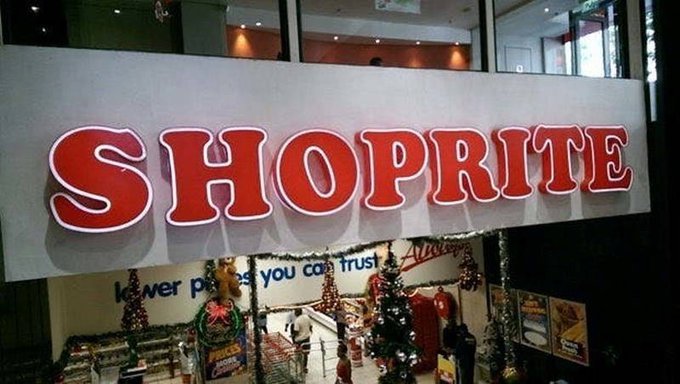
Nigeria’s retail and mall economy has suffered a major setback following the completion of the nationwide shutdown of stores operated by Shoprite, marking the end of the brand’s direct presence in Africa’s largest economy.
The development is expected to have a significant impact on Nigeria’s estimated N2.5 trillion mall economy, where large retail supermarkets serve as key anchor tenants that drive customer traffic and support hundreds of smaller businesses operating within shopping complexes.
Industry observers say the closure signals a major shift in Nigeria’s modern retail landscape and could reshape how malls operate across the country.
End of Shoprite’s Direct Operations in Nigeria
Shoprite had been one of the most prominent international retail brands operating in Nigeria for nearly two decades, establishing large-format supermarkets in major cities including Lagos, Abuja, Ibadan, Port Harcourt, and Enugu.
The retailer first entered the Nigerian market in 2005 and quickly became a major anchor tenant in many of the country’s emerging shopping malls.
However, the company began withdrawing from direct operations after announcing a strategic review of its Nigerian business, citing economic challenges and changing market conditions.
The final closures mark the end of Shoprite’s direct retail operations in Nigeria.
Impact on Nigeria’s Mall Economy
Nigeria’s mall industry has grown significantly over the past two decades, driven largely by rising urbanization, a growing middle class, and increasing demand for organized retail spaces.
Shopping malls across major Nigerian cities rely heavily on anchor tenants such as large supermarkets to attract foot traffic. These anchor stores often draw thousands of shoppers daily, benefiting surrounding businesses including fashion outlets, electronics stores, restaurants, cinemas, and service providers.
With Shoprite’s exit, analysts warn that several malls may experience reduced visitor numbers, potentially affecting sales for other tenants.
Retail experts say anchor tenants are essential for maintaining the commercial viability of large shopping complexes.
Without them, some malls may face operational challenges or be forced to restructure their tenant mix.
Challenges Facing Nigeria’s Retail Sector
Nigeria’s modern retail sector has faced several challenges in recent years, including currency volatility, rising inflation, and high operating costs.
The depreciation of the naira has made it more expensive for retailers to import goods, while energy costs and logistics expenses have continued to rise.
In addition, shifting consumer spending patterns have placed pressure on supermarkets and retail chains.
Many households have adjusted their shopping habits due to economic constraints, prioritizing essential goods while reducing discretionary spending.
These factors have created a difficult operating environment for large international retail brands.
Mall Operators Seek New Anchor Tenants
Following Shoprite’s departure, mall developers and property managers are now exploring alternatives to fill the vacant retail spaces left behind.
Some complexes are considering replacing traditional supermarkets with a combination of smaller grocery stores, entertainment centers, and lifestyle outlets.
Others are actively courting new retail brands to take over the large spaces previously occupied by Shoprite.
Industry stakeholders say the transition period could reshape Nigeria’s mall ecosystem, with new retail formats potentially emerging.
However, replacing a major anchor tenant like Shoprite may take time.
Opportunities for Local Retailers
Despite the challenges created by the exit, analysts believe the situation could open opportunities for local retail chains to expand.
Several Nigerian-owned supermarkets and retail brands have been increasing their presence in recent years, seeking to capture market share in the organized retail sector.
With the departure of an international giant, domestic operators may have an opportunity to take over strategic locations and expand their footprint.
Retail experts say this could encourage the growth of homegrown brands capable of competing with global players.
Economic Implications
The closure of Shoprite stores also has broader economic implications, particularly in terms of employment and supply chains.
Large supermarkets typically employ hundreds of workers, including cashiers, logistics personnel, warehouse staff, and administrative employees.
In addition, they support numerous suppliers ranging from farmers and food processors to distributors and logistics companies.
The shutdown therefore affects not only direct employees but also many businesses linked to the retail supply chain.
Industry observers note that the long-term impact will depend on how quickly new businesses take over the vacated retail spaces.
Future of Organized Retail in Nigeria
Despite the setback, analysts say Nigeria remains one of the most attractive retail markets in Africa due to its large population and growing urban centers.
The country’s population of over 200 million people represents a significant consumer market that continues to attract both local and international investors.
However, experts say the retail sector must adapt to evolving economic conditions, including currency fluctuations and changing consumer behavior.
Retailers are increasingly exploring hybrid models that combine physical stores with online shopping platforms to reach customers more effectively.
A Turning Point for Nigeria’s Mall Industry
The departure of Shoprite represents a significant turning point for Nigeria’s modern retail sector.
For nearly two decades, the brand served as a cornerstone of the country’s shopping mall ecosystem, attracting millions of customers and helping establish the concept of organized retail in many cities.
Its exit underscores the challenges facing large-scale retail operations in Nigeria’s current economic environment.
Nevertheless, industry stakeholders believe the sector will eventually adjust as new players enter the market and existing retailers expand their operations.
For now, the shutdown marks one of the most notable developments in Nigeria’s retail industry in recent years, leaving mall operators, retailers, and consumers watching closely to see how the country’s N2.5 trillion mall economy evolves in the months ahead.