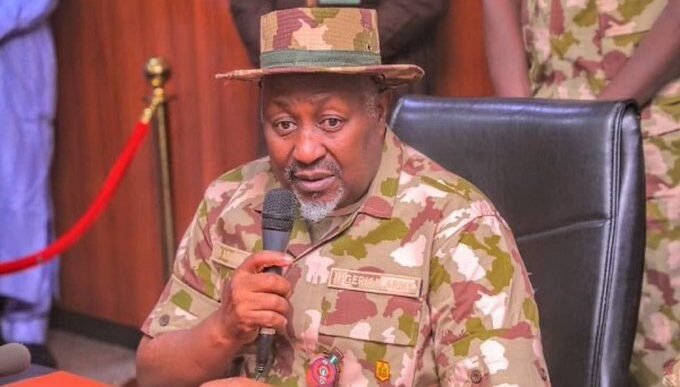
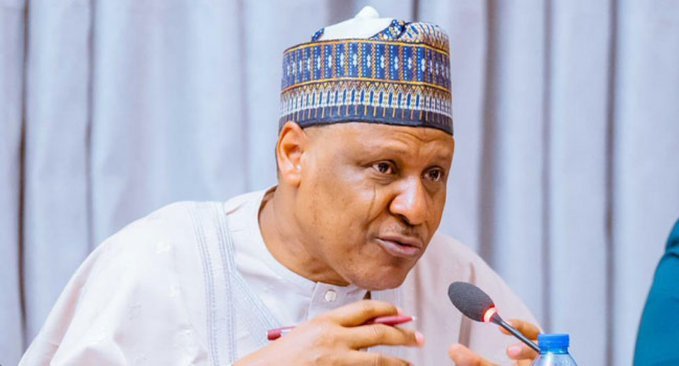
Abuja, Nigeria — The Minister of Information and National Orientation, Mohammed Idris, has assured Nigerians that no media organization or journalist has been threatened, censored, or gagged under the administration of President Bola Ahmed Tinubu.
The Minister made the declaration on Thursday while addressing journalists in Abuja, emphasizing that the Tinubu-led government remains firmly committed to press freedom, democratic values, and open governance.
Government Committed to Freedom of the Press
Speaking during a press briefing on the state of the nation’s media and information sector, Minister Idris said the government recognizes the media as a vital partner in national development and will continue to uphold the constitutional rights of journalists to report without fear or intimidation.
“I want to make it categorically clear that since the inception of President Tinubu’s administration, no media outlet has been threatened, sanctioned, or silenced for performing its legitimate duties,” Idris stated.
“This government believes in the principles of democracy and open society, where the press is free to hold leaders accountable and inform citizens objectively.”
He added that the Federal Ministry of Information and National Orientation has been actively engaging with media stakeholders to strengthen communication channels between the government and the public, ensuring transparency and trust.
Refuting Allegations of Media Intimidation
The Minister’s remarks came in response to claims circulating on social media that the Federal Government was allegedly pressuring certain media organizations to “tone down” their coverage of political and economic issues.
Idris dismissed such claims as false and misleading, describing them as an attempt to “create unnecessary tension” between the government and the press.
“These allegations are unfounded. We have not, and will not, use state power to suppress journalism. We value constructive criticism and believe the media’s watchdog role is essential to our democracy,” he said.
He explained that while the government welcomes diverse opinions, it also expects media organizations to adhere to professional ethics, accuracy, and objectivity in their reportage.
Media as Partners in National Development
Minister Idris reiterated that the Tinubu administration views the media as a strategic partner in achieving the Renewed Hope Agenda, which focuses on economic reforms, job creation, national security, and good governance.
He urged journalists to contribute positively by promoting national unity, responsible reporting, and fact-based journalism, especially at a time when misinformation and fake news pose significant challenges to public discourse.
“The media must be part of the solution. In an era of misinformation, responsible journalism is vital. The government is open to collaboration, not confrontation, with the press,” he added.
Tinubu’s Record on Media Freedom
Observers have noted that since taking office in May 2023, President Bola Tinubu has maintained an open media policy, granting journalists access to state functions and encouraging press engagement with senior government officials.
Unlike previous administrations accused of clamping down on dissenting voices, the Tinubu government has largely adopted dialogue and policy briefings as tools of communication rather than censorship.
The Presidential Villa, through the Office of the Special Adviser on Media and Publicity, has also institutionalized regular media interactions and fact-check briefings to counter misinformation.
Efforts to Reform Information Management
Minister Idris outlined ongoing reforms aimed at modernizing Nigeria’s public communication system and improving the credibility of government information dissemination.
According to him, the Ministry is working on:
- Strengthening public information agencies such as NAN, FRCN, and NTA for greater editorial independence and efficiency;
- Expanding access to digital platforms to ensure government information reaches citizens in real time;
- Promoting media literacy campaigns to help Nigerians identify fake news and disinformation; and
- Updating the National Broadcasting Code to reflect global best practices while protecting freedom of expression.
“We want a media landscape that is free, responsible, and technologically advanced. Our goal is to build an information ecosystem that fosters national development and social cohesion,” Idris explained.
Stakeholders React
The Minister’s assurances have drawn mixed reactions from media stakeholders and rights organizations.
The Nigeria Union of Journalists (NUJ), in a brief statement, welcomed the government’s reaffirmation of press freedom but called for concrete actions to protect journalists from harassment and arbitrary arrests, especially at the state and local government levels.
“We appreciate the Minister’s statement, but we urge the government to ensure that law enforcement agencies respect the rights of reporters in the field,” said NUJ President Chris Isiguzo.
Similarly, the Media Rights Agenda (MRA) commended the administration’s openness but urged the Information Ministry to establish a formal mechanism for resolving disputes between journalists and public officials.
“Freedom of expression must go beyond statements. Institutional protection and accountability mechanisms are essential to make those freedoms real,” the group said.
International Perspective on Nigeria’s Press Freedom
Nigeria currently ranks 123rd out of 180 countries on the 2025 World Press Freedom Index, published by Reporters Without Borders (RSF).
While this represents a slight improvement from previous years, RSF noted that challenges remain, particularly in ensuring journalists’ safety during political coverage and preventing online harassment of media professionals.
Analysts say the Tinubu administration’s continued engagement with media stakeholders could help further improve Nigeria’s ranking and reputation as a democratic society that values open dialogue.
The Role of Responsible Journalism
In his closing remarks, Minister Idris urged journalists to maintain ethical standards, verify information before publication, and avoid sensationalism that could inflame tensions or mislead the public.
“Freedom of the press comes with responsibility. The government will continue to respect and protect that freedom, but we also expect the media to operate within the boundaries of truth and fairness,” he said.
He added that the Ministry plans to hold periodic town hall meetings with media executives, civil society groups, and communication experts to discuss national communication strategies and improve mutual understanding.
Conclusion
The Minister of Information and National Orientation, Mohammed Idris, has reaffirmed that President Bola Tinubu’s government has not gagged, threatened, or intimidated any media outlet since assuming office.
The declaration reinforces the administration’s public stance on press freedom, transparency, and democratic accountability, even amid Nigeria’s complex political and social landscape.
As the country navigates economic reforms and political transitions, the relationship between the media and government will remain central to sustaining democracy, public trust, and national development.