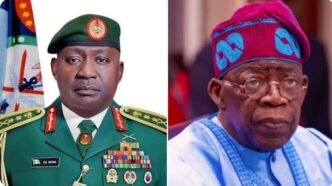
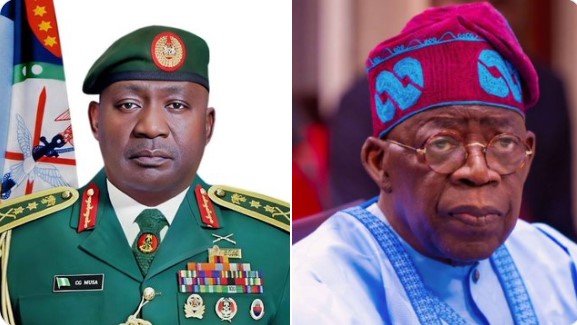
President Bola Ahmed Tinubu has nominated retired Chief of Defence Staff, General Christopher Gwabin Musa, as Nigeria’s new Minister of Defence. The development marks one of the most significant changes to the nation’s security leadership in recent months and comes at a time when the country is grappling with escalating violence, banditry, and insurgency across multiple regions.
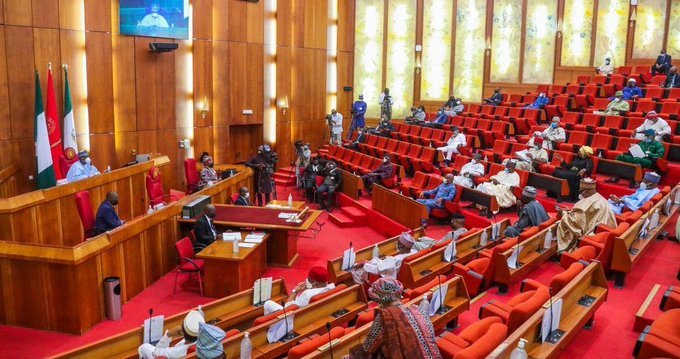
The President’s letter nominating the retired general was transmitted to Senate President Godswill Akpabio, placing the final decision in the hands of the lawmakers who are expected to begin confirmation proceedings in the coming days. The nomination follows the sudden resignation of the former Minister of Defence, Mohammed Badaru Abubakar, who stepped down citing health-related reasons.
Musa’s nomination has already generated wide attention across the country, with many analysts interpreting the move as a deliberate shift toward professionalizing defence leadership and injecting operational experience into the nation’s security framework.
A Leadership Vacuum and an Urgent Need for Stability
The resignation of Mohammed Badaru Abubakar created an immediate vacuum in the country’s defence leadership. Badaru had served as Minister of Defence since 2023 but reportedly battled health challenges throughout his tenure. His exit coincided with a sharp uptick in violent attacks in northern and central Nigeria, heightening public anxiety.
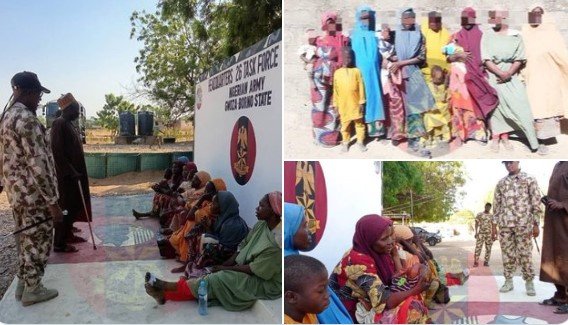
Nigeria is currently confronting multiple security crises simultaneously: renewed insurgent activity in parts of the North-East, banditry in the North-West, kidnappings along major highways, communal conflicts in the Middle Belt, and sporadic violence in some southern regions. These challenges have placed immense pressure on the Tinubu administration to strengthen both strategic and operational aspects of national security.
By nominating a former Chief of Defence Staff with extensive frontline and command experience, the Presidency appears to be signaling a new level of urgency and focus.
Profile of General Christopher Gwabin Musa
General Christopher Gwabin Musa is widely regarded as one of Nigeria’s most experienced military officers. Born on December 25, 1967, in Sokoto State, he hails from Zangon Kataf Local Government Area in Kaduna State. Musa joined the Nigerian Defence Academy in 1986 as part of the 38th Regular Course and was commissioned into the Infantry Corps in 1991.
Extensive Military Career
Musa’s military career spans nearly four decades, during which he rose through the ranks and held key operational and administrative positions. Among his most prominent roles was serving as Theatre Commander of Operation HADIN KAI, the Nigerian Army’s major counter-insurgency operation in the North-East. In that role, he oversaw troops battling Boko Haram and Islamic State insurgents.
Appointment as Chief of Defence Staff
In June 2023, President Tinubu appointed Musa as the 18th Chief of Defence Staff. During his tenure, he implemented several reforms, advocated for modernization of the armed forces, and emphasized the importance of civil-military cooperation. He was relieved of the position in October 2025 when the President conducted a comprehensive overhaul of the military leadership.
Reputation and Leadership Style
General Musa is known for his tough stance on discipline within the armed forces and his insistence on professionalism. He has spoken publicly against corruption in the security sector, calling it a major threat to national stability. Many officers and soldiers who served under him have described him as a firm but fair leader.
His return to government through this nomination has been described by analysts as an opportunity to leverage his institutional memory and experience at a time when Nigeria’s defence sector is under immense pressure.
Significance of the Nomination
The nomination of a former Chief of Defence Staff to lead the Defence Ministry is significant on several fronts:
1. A Shift Toward Professional Security Leadership
The appointment of a career military officer rather than a political figure suggests that the administration intends to prioritize operational expertise over traditional political considerations. With rising insecurity, the government appears to be betting on someone who understands the military’s internal dynamics and realities of frontline operations.
2. Bridging the Civil-Military Gap
Nigeria’s security challenges require coordination among military agencies, civilian authorities, and local communities. General Musa has previously emphasized strengthening civil-military cooperation, and his leadership could improve trust and collaboration between the armed forces and the civilian population.
3. Improved Coordination in Security Strategy
As a former head of all service chiefs, Musa already understands the complexities of inter-agency coordination. This background could help streamline Nigeria’s security strategy, especially now that the federal government has declared a national security emergency and announced mass recruitment into security agencies.
4. Public Confidence
With insecurity touching nearly every region, many Nigerians have expressed frustration over the slow pace of security reforms. Musa’s appointment may provide reassurance to a public seeking decisive leadership and fresh strategies.
Major Challenges Facing the Nominee
While Musa’s credentials are strong, the challenges waiting on his desk are substantial.
Escalating Banditry and Kidnappings
North-West states are battling bandits who have carried out mass abductions, attacked rural communities, and disrupted economic activities. Kidnapping-for-ransom has surged along major highways, creating widespread fear.
Continued Insurgency in the North-East
Though significantly weakened, Boko Haram and ISWAP still conduct attacks, particularly in remote and hard-to-access communities. Musa’s experience in this theatre will be crucial.
Community Clashes and Resource Conflicts
The Middle Belt continues to witness clashes rooted in land disputes, grazing conflicts, and ethnic tensions. These cycles of violence require a mix of military and diplomatic interventions.
Funding and Logistics
Nigeria’s defence sector has long faced issues such as inadequate funding, poor procurement systems, and logistical challenges. Any lasting reform will require improved budgeting, accountability mechanisms, and modernization of equipment.
Human Rights Concerns
Nigeria’s armed forces have occasionally been accused of excessive force. Balancing decisive military action with human rights standards will be a critical test for the incoming minister.
Senate Confirmation Process
The next stage is the Senate screening and confirmation hearings. Senators are expected to examine Musa’s record, leadership capacity, and plans for stabilizing the country’s security landscape. Given his background, many expect the confirmation to proceed smoothly, though lawmakers may still probe his strategies for improving civilian protection, troop welfare, and defence sector transparency.
Public Expectations and National Implications
The nomination comes at a pivotal moment when Nigerians are demanding faster, more visible results from security agencies. If confirmed, Musa will be expected to:
- Provide a clear, results-focused security roadmap
- Strengthen intelligence gathering and use of technology
- Enhance synergy among military, police, and intelligence units
- Improve troop welfare and morale
- Ensure accountability and reduce abuses
His leadership will shape Nigeria’s security direction as the country enters a new year with heightened expectations.
Conclusion
President Bola Tinubu’s nomination of General Christopher Gwabin Musa as Minister of Defence represents a strategic and symbolic move aimed at restoring stability to a country facing multiple security threats. With decades of experience, including serving as Chief of Defence Staff and leading counter-insurgency operations, Musa brings both expertise and credibility to the role.
However, the challenges ahead are profound. Nigerians will be watching closely to see whether this experienced military leader can translate his operational knowledge into policies that bring lasting peace, strengthen national unity, and rebuild trust in the country’s security institutions.
If confirmed by the Senate, General Musa will step into one of the most demanding roles in the federal government — one that requires strength, innovation, discipline, and the ability to coordinate a complex security system at a time of national urgency.