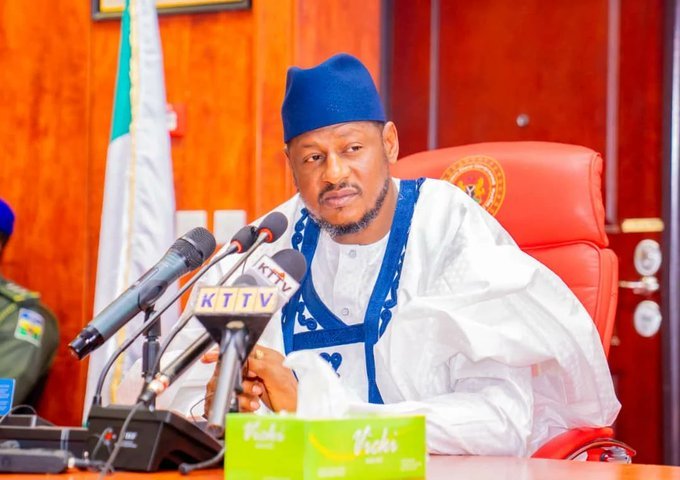
In a major policy shift aimed at transforming education delivery across rural areas, the Katsina State Government has unveiled a N30,000 monthly allowance for teachers deployed to underserved communities. The development, announced on Monday, marks one of the most significant incentives the state has introduced in recent years to boost teacher motivation, reduce rural-urban teacher imbalance, and strengthen learning outcomes in remote schools.
Education experts, civil society stakeholders, and community leaders have already begun applauding the move, describing it as a bold step capable of addressing one of the biggest systemic challenges in northern Nigeria’s education sector — the persistent shortage of qualified teachers in rural communities where enrolment is often high but staffing is critically low.
A Strategic Move to Tackle Teacher Shortages
For decades, Katsina State, like many others across northern Nigeria, has grappled with a severe shortage of qualified teachers willing to work in rural areas. Many teachers prefer urban postings due to better facilities, easier access to transportation, and a safer working environment. As a result, schools in rural communities often operate with insufficient staff, leading to overcrowded classrooms, reduced quality of instruction, and widening educational inequality between rural and urban pupils.
By introducing the N30,000 allowance, the Katsina State Government is hoping to reverse this trend, encouraging more teachers to accept rural postings while improving retention rates among those currently serving in remote areas.
According to state officials, the new incentive is part of a wider education sector reform designed to improve learning outcomes, enhance teacher welfare, and strengthen public confidence in the state’s commitment to education.
Government’s Rationale: Improving Quality and Access
Speaking while unveiling the initiative, government representatives emphasized that the allowance is intended to ease the financial burdens faced by teachers posted to villages and difficult-to-reach communities. Many rural teachers spend a significant portion of their salaries on transportation or housing, often commuting long distances daily.
Under the new scheme, the N30,000 allowance is expected to supplement these costs, allowing teachers to focus on their professional duties rather than the financial strain of serving in remote locations.
The policy also aligns with the state’s strategic education blueprint, which prioritizes:
- Reducing rural teacher vacancies
- Improving the standard of instruction across government-owned schools
- Boosting student performance in national examinations
- Attracting and retaining qualified educators
- Encouraging youth in local communities to consider teaching as a viable career path
Government officials stressed that education remains a top priority for the current administration, particularly as Katsina seeks to improve literacy rates and address issues of out-of-school children.
Teachers React: “A Much-Needed Relief”
Initial reactions from teachers across the state have been largely positive. Many described the allowance as overdue and necessary to make rural postings more appealing.
A primary school teacher posted in Danmusa Local Government said the new incentive would significantly ease the economic pressure many teachers face.
“This is a welcome development. For years, many of us have struggled with transportation and personal expenses. The allowance will go a long way in helping us cope with the realities of teaching in rural communities,” she said.
Another teacher in Safana noted that the gesture would boost morale and motivate teachers to remain committed to their duties.
“We love our job, but the conditions in rural areas can be challenging. This allowance shows that the government recognizes our sacrifices,” he added.
Impact on Rural Schools and Local Communities
Education analysts predict that the allowance will have a direct positive impact on rural schools. With more teachers willing to serve in remote communities, students are likely to receive better attention, smaller class sizes, and improved teaching quality.
Local communities also stand to benefit as improved education outcomes can lead to higher literacy rates, increased school attendance, and better prospects for children in rural areas. In the long term, strengthened rural education can help reduce poverty, bridge skill gaps, and provide youth with better opportunities for employment or further studies.
Community leaders have expressed optimism, noting that many rural schools have operated for years without adequate staff, with some depending on volunteer teachers or community-funded stipends.
Implementation Strategy and Accountability
The Katsina State Government disclosed that the allowance will be paid monthly and directly to eligible teachers assigned to rural zones. Education officials will also monitor compliance to ensure that teachers receiving the payments are present and actively fulfilling their duties.
To prevent abuse of the system, the state is implementing measures such as:
- Biometric attendance monitoring
- Regular school inspection visits
- Community reporting mechanisms
- Collaboration with local education authorities
Officials highlighted that the allowance forms one component of a wider restructuring effort, which includes teacher training programs, infrastructure upgrades, and new recruitment strategies to fill teaching gaps.
Comparisons with Other States
The introduction of financial incentives for rural teachers is not new in Nigeria, but Katsina’s N30,000 allowance stands out due to its scale and timing amid rising economic challenges.
Some states offer hardship allowances, housing support, or transportation stipends, but many lack a structured or consistent incentive program. Katsina’s initiative may encourage other states to adopt similar measures, especially in regions where rural education struggles with chronic staffing shortages.
Education experts have emphasized that such incentives are critical for addressing disparity in teacher deployment — a problem compounded by security issues, poor infrastructure, and limited social amenities in rural areas across northern Nigeria.
Challenges Ahead
Despite widespread commendation, analysts note that the effectiveness of the allowance will depend on the government’s ability to sustain the payment and ensure transparency. Additionally, the rural education challenge extends beyond teacher welfare — many rural schools lack adequate classrooms, teaching materials, water supply, and electricity.
There is also the broader issue of security, as some schools in remote areas face threats from criminal activities, banditry, or community conflicts. For the allowance to have its desired impact, adequate security assurances and improved school facilities will be essential.
A Step Toward Long-Term Educational Reform
Education stakeholders view the N30,000 rural teacher allowance as a meaningful step toward long-term reform in Katsina State. While the gesture may not solve all challenges facing rural education, it signals a renewed commitment to teacher welfare and the pursuit of equitable learning opportunities for all children.
The government has reiterated its resolve to continue working with stakeholders — including teacher unions, parent associations, and development partners — to modernize the education sector and create a more enabling environment for both teachers and students.
As the policy enters its implementation phase, teachers, parents, and community leaders will be watching closely to see how effectively the allowance improves teacher presence and performance in rural areas, and whether it leads to measurable improvements in student outcomes.
Conclusion
The introduction of a N30,000 monthly allowance for teachers deployed to rural communities is a bold and progressive move by the Katsina State Government. It reflects a growing recognition that improving education in underserved areas requires intentional investment in the welfare of those who serve on the frontlines — the teachers.
If sustained and complemented with broader improvements in infrastructure, training, and security, this initiative has the potential to reshape the future of education in rural Katsina, while serving as a model for other states seeking to close the rural-urban learning gap.