
The Nigerian Civil Aviation Authority (NCAA) has taken a firm position against recent claims by the Chairman of Air Peace, Allen Onyema, that multiple taxes and charges imposed on airlines are responsible for the high cost of domestic airfares in Nigeria.
In a strong rebuttal, the aviation regulator dismissed the allegation, insisting that airlines do not pay most of the levies being cited and stressing that current airfare levels are primarily driven by market forces of demand and supply, rising operational costs, and prevailing economic realities.
The NCAA’s response marks one of the most direct regulatory pushbacks against a major domestic airline operator in recent years and has reignited debate over the true drivers of airfare increases in Nigeria’s aviation sector.
NCAA Rejects Tax Burden Narrative
According to the NCAA, claims that domestic airfares are inflated due to excessive taxation are misleading and do not reflect the actual financial obligations of airlines operating within the country.
Senior officials of the authority explained that several charges often listed by airline executives are either statutory passenger service fees, airport charges collected on behalf of other agencies, or fees that are not applicable to domestic flight operations.
The regulator stressed that airlines frequently act only as collection agents for certain fees, which are paid by passengers and remitted to government agencies, rather than borne directly by the airlines themselves.
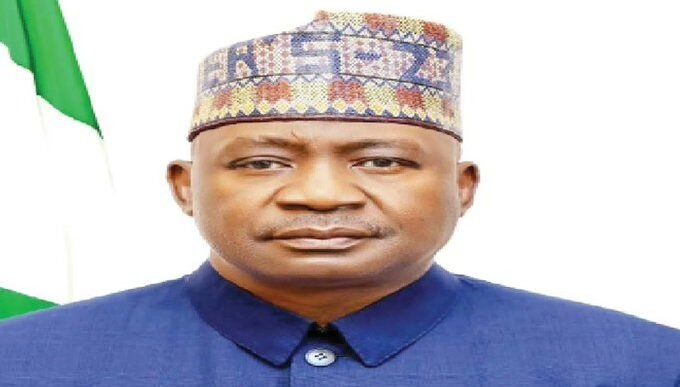
“The suggestion that multiple government taxes are the main drivers of high ticket prices is inaccurate,” an NCAA official stated. “Domestic airlines are not paying many of the levies that are being publicly referenced.”
Market Forces Driving Airfare Increases
The NCAA attributed the rise in domestic airfares largely to demand and supply dynamics, noting that peak travel seasons, limited aircraft availability, and operational constraints naturally push prices upward.
According to the authority, ticket prices tend to rise during festive periods, election seasons, and times of increased passenger traffic, while fares drop during off-peak periods when demand is weaker.
The regulator also pointed to the shrinking size of Nigeria’s domestic airline fleet due to aircraft maintenance challenges, lease costs, and foreign exchange pressures, all of which reduce seat availability and intensify competition for limited capacity.
Operational Costs and Economic Pressures
While dismissing the multiple-tax narrative, the NCAA acknowledged that airlines face genuine operational challenges, particularly those linked to the broader Nigerian economy.
These include:
- High aviation fuel (Jet A1) costs
- Foreign exchange volatility affecting aircraft leasing and maintenance
- Insurance and spare parts expenses denominated in foreign currency
- Infrastructure and operational inefficiencies
However, the authority maintained that these challenges are distinct from claims of excessive government taxation and should not be conflated.
Response to Air Peace Chairman’s Comments
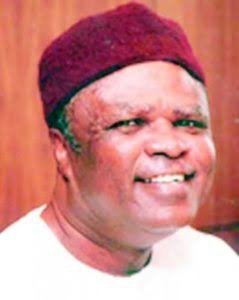
Allen Onyema, Chairman of Air Peace, had earlier argued that domestic airlines are burdened by numerous taxes and charges imposed by aviation agencies, contributing significantly to rising ticket prices and threatening the sustainability of local carriers.
While acknowledging Onyema’s role as a key stakeholder in the aviation industry, the NCAA said such public statements must be grounded in verifiable facts to avoid misleading passengers and creating unnecessary public tension.
The regulator warned that repeated misrepresentation of regulatory charges could erode public confidence in aviation institutions and distort policy discussions.
Regulatory Transparency and Passenger Protection
The NCAA reiterated its commitment to transparency in aviation charges and emphasized that passengers have the right to understand what they are paying for when purchasing airline tickets.
The authority said it remains open to engaging airline operators through formal channels to review cost structures, address genuine bottlenecks, and improve the overall efficiency of the aviation sector.
It also assured passengers that it continues to monitor airline pricing practices to ensure compliance with consumer protection regulations and to prevent arbitrary fare hikes.
Industry Reactions and Broader Implications
Aviation analysts say the public disagreement highlights long-standing tensions between regulators and airline operators over cost responsibilities and sector sustainability.
Some experts argue that while taxes may not be the primary driver of airfare inflation, weak infrastructure, limited competition, and macroeconomic instability continue to exert upward pressure on ticket prices.
Others believe the NCAA’s firm stance signals a renewed effort to correct public narratives and reinforce regulatory authority at a time when the aviation industry is under intense scrutiny.
Call for Constructive Engagement
The NCAA concluded by urging airline operators to engage regulators constructively rather than through public confrontations, stressing that sustainable growth of Nigeria’s aviation sector requires collaboration, accurate data, and policy coherence.
As domestic air travel demand continues to grow, the debate over airfare pricing is expected to persist, with passengers, airlines, and regulators all seeking solutions that balance affordability, safety, and commercial viability.
For now, the regulator’s message is clear: domestic airfares in Nigeria are shaped more by market realities than by the multiple taxes often blamed for rising ticket prices.