The government of Senegal has called for an independent investigation into the controversial decision to strip the national team of its 2025 Africa Cup of Nations (AFCON) title, escalating a dispute that has shaken African football and sparked widespread debate over governance, fairness, and the application of rules.
In a strongly worded statement issued on Tuesday, Senegalese authorities described the ruling by the Confederation of African Football (CAF) as “deeply unjust” and raised concerns about transparency in the decision-making process that led to the reversal of the tournament’s final result.
Background: A Final Shrouded in Controversy
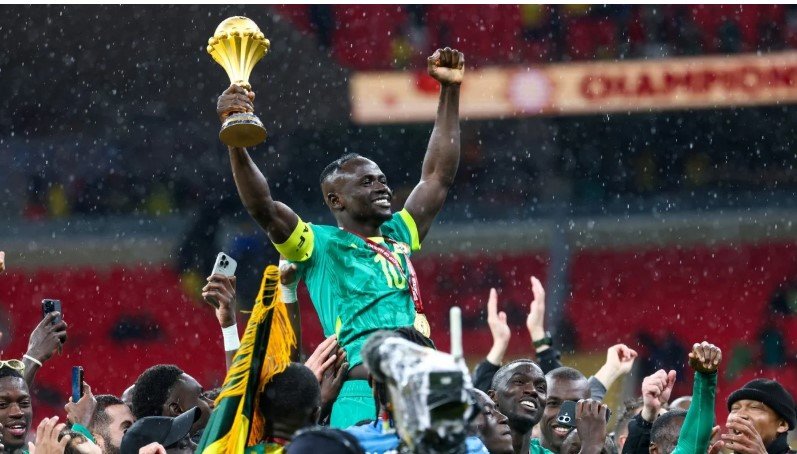
Senegal had initially been crowned champions of AFCON 2025 after defeating Morocco 1–0 in a tense final that went into extra time. The victory was celebrated across the West African nation, with fans taking to the streets in jubilation and officials hailing the triumph as a landmark achievement for Senegalese football.
However, the outcome of the match was later thrown into doubt following a dramatic sequence of events during stoppage time. Senegal’s players and officials reportedly walked off the pitch in protest after a contentious penalty decision awarded to Morocco. Although play eventually resumed and the match reached its conclusion, the incident prompted a formal review by CAF’s disciplinary bodies.
Weeks after the final whistle, CAF’s Appeal Board ruled that Senegal had violated competition regulations by abandoning the match, even temporarily. Citing its statutes, the governing body declared the match forfeited and awarded a 3–0 victory to Morocco, effectively transferring the title.
Government Reaction: “Unjust and Unacceptable”
The Senegalese government has rejected the ruling outright, insisting that the decision does not reflect the realities of what transpired during the match. Officials argue that since the game was completed and a result recorded on the pitch, the subsequent reversal undermines sporting integrity.
In its statement, the government called for a “thorough, independent, and transparent investigation” into the circumstances surrounding CAF’s decision. Authorities also hinted at possible irregularities, urging stakeholders to examine whether due process was followed and whether external influences may have played a role.
The Ministry of Sports in Senegal emphasized that the nation’s players acted in good faith under intense pressure and returned to the pitch to complete the match, a factor it believes should have been taken into account.
Football Federation Prepares Legal Challenge
The Senegalese Football Federation has aligned with the government’s position and announced plans to challenge the decision at the Court of Arbitration for Sport (CAS), the highest authority for resolving disputes in global sports.
According to federation officials, legal teams are already compiling evidence to demonstrate that the CAF ruling was inconsistent with established precedents and regulations. They argue that sanctions of such magnitude—particularly those altering the outcome of a completed final—must meet an exceptionally high standard of proof and procedural fairness.
The federation is also expected to question the interpretation and application of CAF’s disciplinary codes, particularly provisions relating to match abandonment and forfeiture.
CAF’s Position and Regulatory Framework
While CAF has yet to provide a detailed public breakdown of its decision, the organization has relied on its statutes governing match conduct. These rules stipulate that any team that abandons a match may be deemed to have forfeited it, regardless of whether play eventually resumes.
Legal analysts note that CAF’s regulations grant significant discretion to its disciplinary committees, but also require that decisions be proportionate and consistent. The Senegal case, they argue, may test the limits of that discretion, particularly given the unusual sequence of events in the final.
The controversy has also reignited discussions about the need for clearer guidelines on handling in-game protests and the threshold for determining when a match is considered abandoned.
Continental and Global Reactions
The decision has sparked strong reactions across Africa and beyond, with fans, pundits, and former players weighing in on both sides of the debate. In Senegal, the ruling has been met with widespread anger, with many viewing it as an injustice that tarnishes a hard-earned victory.
In Morocco, reactions have been more mixed, with some welcoming the decision as a vindication of the team’s position, while others acknowledge the unusual nature of being awarded a title off the pitch.
Football observers across the continent have described the situation as unprecedented in the history of the Africa Cup of Nations. The case has also drawn attention from global football bodies and governance experts, who are closely monitoring developments.
Implications for African Football Governance
The fallout from the AFCON 2025 decision could have far-reaching implications for the governance of football in Africa. Critics argue that the controversy highlights structural weaknesses within CAF, including concerns about transparency, consistency, and accountability.
The Senegalese government’s call for an independent probe may increase pressure on CAF to open its processes to greater scrutiny. Some stakeholders have suggested that external oversight mechanisms or reforms may be necessary to restore confidence in the organization.
There are also concerns about the potential impact on future tournaments. Players and teams may become more cautious in their conduct during matches, while referees and officials could face increased scrutiny in high-stakes situations.
Legal Battle Ahead
As Senegal prepares to take its case to CAS, the dispute is expected to enter a new phase. The Lausanne-based tribunal has a track record of handling complex and high-profile sports cases, and its ruling could set an important precedent.
Legal experts say CAS will likely examine several key questions, including:
- Whether Senegal’s actions constituted match abandonment under CAF rules
- Whether the match’s completion should override earlier incidents
- Whether the punishment imposed was proportionate
The outcome of the case could either reinforce CAF’s authority or compel the organization to revise its decision.
National Sentiment and Political Dimension
Beyond the legal and sporting aspects, the controversy has taken on a broader national significance in Senegal. Football is deeply embedded in the country’s cultural identity, and the national team’s success is a source of pride and unity.
Government officials have framed the issue as one of national dignity, vowing to pursue all available avenues to defend the team’s achievement. The situation has also drawn political attention, with leaders emphasizing the importance of fairness and respect for African nations on the global stage.
Conclusion
The decision to strip Senegal of its AFCON 2025 title has triggered one of the most significant controversies in African football history. With the government demanding an independent probe and the national federation preparing a legal challenge, the dispute is far from over.
As the case heads toward international arbitration, its outcome will not only determine the fate of a البطولة title but also shape the future of football governance in Africa. For Senegal, the fight is as much about justice and credibility as it is about reclaiming a trophy won on the pitch.