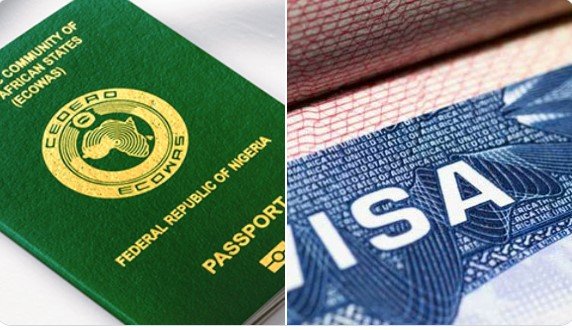
The United States government has officially made its Visa Bond Program a permanent immigration policy, requiring certain applicants for business and tourist visas from Nigeria and dozens of other countries to provide a refundable financial bond of up to $20,000 before a visa can be issued.
The new rule took effect on August 3, 2026, following the conclusion of a pilot program that U.S. authorities say successfully reduced visa overstays. Under the permanent framework, consular officers have the authority to determine whether an applicant must pay a visa bond and to decide the appropriate amount based on the individual’s circumstances. The available bond amounts are $10,000, $15,000, or $20,000.
The policy applies to selected applicants seeking B-1 business visas and B-2 tourist visas from countries designated by the U.S. Department of State, many of which are located in Africa.
Nigeria Among Countries Affected
Nigeria is among the countries whose nationals may be subject to the Visa Bond Program, although not every applicant will be required to pay the bond.
Instead, U.S. consular officers will assess applications individually and determine whether a refundable bond is necessary before approving a visa. Factors considered include immigration compliance risks, previous travel history and other circumstances identified during the visa adjudication process.
The Department of State has stressed that the program is not a blanket requirement for all visa applicants from affected countries.
Only applicants whom consular officers determine require additional assurance of compliance with U.S. immigration laws will be asked to post the financial guarantee.
How the Visa Bond Works
The visa bond functions as a financial guarantee designed to encourage visitors to comply with the conditions of their visas.
Applicants required to pay the bond must deposit one of three approved amounts:
- $10,000
- $15,000
- $20,000
The bond is refundable after the traveler leaves the United States within the period authorized under the visa and complies with all immigration requirements.
However, applicants who overstay their visas or violate immigration conditions risk forfeiting the bond.
Unlike previous versions of the program, the permanent regulation removes the lower $5,000 bond option that existed during the pilot phase.
From Pilot Scheme to Permanent Policy
The Visa Bond Program was initially introduced as a temporary pilot initiative aimed at reducing visa overstays among travelers from countries identified as having relatively high overstay rates.
According to the U.S. State Department, data collected during the pilot demonstrated that the policy significantly improved compliance with visa conditions.
Officials said the review provided sufficient evidence to justify making the program permanent.
As part of the new permanent framework, the maximum refundable bond has increased from $15,000 under the pilot to $20,000, while consular officers continue to exercise discretion over whether a bond is required in individual cases.
Why the United States Introduced the Program
U.S. authorities say the primary objective of the Visa Bond Program is to discourage visitors from remaining in the country after their authorized stay expires.
Visa overstays have remained a longstanding concern for U.S. immigration authorities, who view financial bonds as an additional incentive for visitors to respect visa conditions.
Officials argue that travelers who intend to comply with immigration rules will receive their money back after departing the United States within the permitted period.
The Department of State maintains that the measure strengthens immigration enforcement without eliminating legitimate travel opportunities for businesspeople and tourists.
Significant Increase in Bond Amount
One of the most notable changes under the permanent regulation is the increase in the maximum bond amount.
During the pilot program, consular officers could impose refundable bonds of:
- $5,000
- $10,000
- $15,000
The permanent rule removes the $5,000 option entirely and introduces a new upper limit of $20,000.
Immigration analysts say the higher financial requirement could make travel to the United States considerably more expensive for applicants selected for the program.
Because the bond is separate from visa application fees and other travel expenses, affected travelers could face significantly higher upfront costs before departure.
Critics Raise Concerns
The policy has attracted criticism from immigration advocates and civil society organizations, who argue that it disproportionately affects applicants from developing countries.
Critics contend that requiring refundable deposits worth up to $20,000 could discourage legitimate business travel, tourism, academic exchanges and family visits.
Some advocacy groups have also questioned whether the policy unfairly targets African countries and other developing nations.
Others argue that wealthier applicants may find it easier to satisfy the financial requirement, creating unequal access to U.S. travel opportunities.
U.S. Government Defends Decision
Despite criticism, the U.S. government says the policy is based on measurable immigration compliance data rather than nationality alone.
Officials note that the decision to require a bond is made individually by consular officers rather than automatically applying to every applicant from an affected country.
The State Department also retains the authority to revise the list of countries covered by the program over time, adding or removing nations based on immigration trends and policy considerations.
What Nigerian Travelers Should Know
For Nigerians planning to visit the United States for tourism or business, the new policy does not mean every applicant will automatically pay a visa bond.
Instead, applicants should expect consular officers to evaluate each case individually during the visa application process.
Those required to post a bond must pay the amount determined by the consular officer before the visa can be issued.
If travelers comply fully with the conditions of their stay and leave the United States before their authorized period expires, the bond is expected to be refunded in accordance with U.S. regulations.
Regional Visa Changes in Africa
The introduction of the permanent Visa Bond Program comes alongside broader changes to U.S. visa processing across Africa.
The U.S. Department of State has also announced the realignment of routine visa services in several African countries, including Nigeria, to designated regional visa hubs. According to the department, visa bond requirements remain in effect alongside these administrative changes.
Outlook
The permanent Visa Bond Program represents one of the most significant changes to U.S. visitor visa policy in recent years for nationals of selected countries.
While U.S. officials argue that the measure strengthens immigration compliance and reduces visa overstays, critics warn it could create additional financial barriers for legitimate travelers.
For Nigerians seeking B-1 business or B-2 tourist visas, the practical impact will depend on individual assessments made by U.S. consular officers. Those selected for the program may be required to deposit between $10,000 and $20,000 as a refundable bond before receiving a visa, with the funds returned only after complying fully with U.S. immigration rules and departing the country within the authorized period.