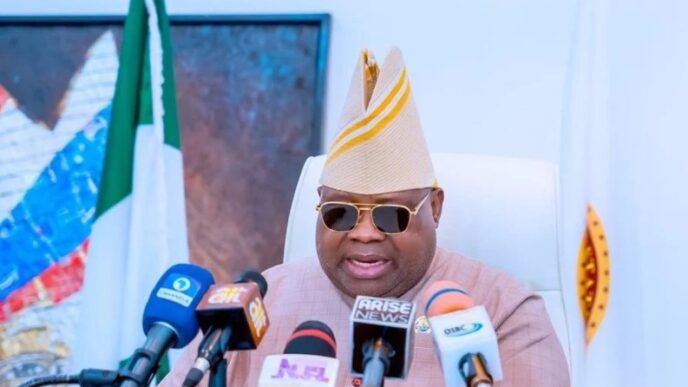
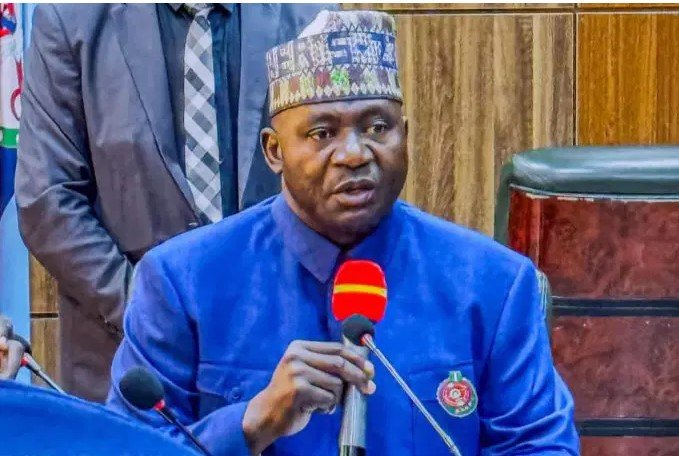
Nigeria’s Minister of Defence has said that the recent improvement in the salaries and welfare of members of the Armed Forces will significantly enhance the country’s anti-insurgency operations by boosting troop morale, improving operational effectiveness, and strengthening the military’s commitment to protecting national security.
The minister stated that better remuneration is a critical component of the Federal Government’s broader efforts to reform the Armed Forces, improve the welfare of military personnel, and sustain ongoing operations against insurgents, terrorists, bandits, kidnappers, and other criminal groups threatening peace across the country.
According to the minister, soldiers who are adequately compensated are more motivated to carry out their constitutional responsibilities and remain committed to defending Nigeria’s territorial integrity despite the dangers associated with military service.
Improved Welfare Seen as Key to National Security
Speaking during an official engagement with military personnel, the Defence Minister noted that the welfare of troops remains one of the Federal Government’s top priorities under President Bola Tinubu’s administration.
He explained that military operations against Boko Haram, the Islamic State West Africa Province (ISWAP), bandit groups, oil thieves, kidnappers, and other armed criminal networks require highly motivated personnel equipped with modern resources and supported by adequate welfare packages.
The minister stressed that improving salaries represents more than a financial intervention, describing it as an investment in national security.
According to him, military personnel who feel valued through improved welfare are better positioned to concentrate on operational duties without unnecessary financial distractions.
Government Committed to Supporting Armed Forces
The Defence Minister reiterated that the Federal Government remains committed to strengthening the Armed Forces through sustained investment in personnel welfare, modern equipment, infrastructure, training, and operational capabilities.
He noted that beyond salary improvements, the government has continued to procure advanced military hardware, improve logistics, renovate military facilities, and expand training opportunities for officers and soldiers.
The minister said these reforms are designed to build a professional military capable of responding effectively to Nigeria’s evolving security challenges.
He added that the government recognizes the enormous sacrifices made daily by members of the Armed Forces and intends to continue providing the support necessary for them to succeed in their assignments.
Better Morale Expected to Improve Battlefield Performance
Military analysts have consistently identified troop welfare as one of the most important factors influencing operational effectiveness.
Improved salaries are expected to positively impact morale by reducing financial pressure on military personnel and their families.
Security experts argue that when soldiers are confident about their welfare, they are more focused during operations, demonstrate greater resilience under difficult conditions, and maintain higher levels of discipline.
The Defence Minister echoed this position, saying that motivated personnel are more capable of sustaining prolonged military campaigns against insurgents and criminal groups operating across various parts of the country.
He emphasized that security operations often involve difficult terrain, extended deployments, and considerable personal risk, making adequate welfare indispensable.
Military Continues Multi-Front Security Operations
Nigeria’s Armed Forces remain actively engaged in multiple theatres of operation nationwide.
In the North-East, troops continue counter-terrorism operations against Boko Haram and ISWAP insurgents.
Military operations under Operation Hadin Kai have recorded successes through the elimination of terrorist fighters, destruction of camps, recovery of weapons, and rescue of kidnapped victims.
Across the North-West and parts of North-Central Nigeria, security forces are conducting sustained offensives against armed bandits responsible for attacks on rural communities, kidnappings, and cattle rustling.
In the South-South region, military formations continue efforts to combat crude oil theft, illegal refining, and pipeline vandalism under Operation Delta Safe.
Operations are also ongoing in the South-East to tackle violent criminal activities threatening public safety.
The Defence Minister said improving troop welfare would further enhance the effectiveness of these ongoing operations.
Investment in Equipment and Logistics
Alongside salary improvements, the Federal Government has continued investments in military equipment.
Recent years have witnessed the acquisition of attack aircraft, helicopters, armoured vehicles, surveillance platforms, naval vessels, communication systems, and other strategic assets aimed at improving operational capability.
Military authorities have also intensified intelligence gathering through increased collaboration among the Armed Forces, intelligence agencies, the Nigeria Police Force, and other security institutions.
The Defence Minister noted that modern warfare requires not only sophisticated equipment but also highly motivated personnel capable of effectively utilizing available resources.
According to him, welfare and equipment must progress simultaneously to achieve lasting security gains.
Troops Encouraged to Maintain Professionalism
While acknowledging government efforts to improve welfare, the Defence Minister urged officers and soldiers to remain disciplined, professional, and loyal to the Constitution.
He reminded military personnel that the confidence reposed in them by Nigerians carries enormous responsibility.
The minister encouraged troops to uphold human rights, maintain operational discipline, and continue working closely with host communities during military operations.
He also emphasized the importance of intelligence-led operations in addressing evolving security threats across the country.
Military Families Also Expected to Benefit
The improved salary structure is expected to provide financial relief not only to serving personnel but also to their families.
Military families often bear the burden of prolonged deployments, frequent transfers, and the risks associated with military service.
Better remuneration is expected to improve living standards, support children’s education, enhance healthcare access, and reduce financial stress among military households.
Security experts believe improved family welfare contributes to better mental well-being among serving personnel, enabling them to remain focused during operations.
Broader Defence Sector Reforms
The salary adjustment forms part of broader reforms within Nigeria’s defence sector.
In recent months, government efforts have focused on improving recruitment, expanding military training institutions, upgrading barracks, enhancing medical services for personnel, and modernizing operational infrastructure.
Authorities have also continued efforts to strengthen indigenous defence production through collaboration with local defence industries and research institutions.
The Defence Minister stated that these reforms are intended to build a modern, professional, and well-equipped military capable of addressing both conventional and asymmetric security threats.
Security Remains Government’s Top Priority
The Federal Government has repeatedly described security as one of its highest priorities, noting that economic development cannot thrive without peace and stability.
Persistent insecurity has affected farming activities, disrupted businesses, displaced communities, and increased humanitarian challenges in several parts of the country.
Government officials maintain that ongoing military operations, combined with improved intelligence, better equipment, and enhanced troop welfare, will gradually restore lasting peace to affected regions.
The Defence Minister expressed confidence that the renewed focus on personnel welfare would strengthen military effectiveness and contribute to sustained progress against insurgents and other criminal elements.
Experts Welcome Welfare Improvements
Security analysts generally agree that military effectiveness depends on a combination of adequate funding, modern equipment, intelligence, quality leadership, and personnel welfare.
While salary improvements alone may not eliminate insecurity, experts argue they represent an important step toward building a more motivated and professional fighting force.
Analysts also stress that continued investment in logistics, technology, training, and inter-agency cooperation will remain essential to sustaining recent military gains.
Many believe that addressing welfare concerns can improve retention, reduce personnel dissatisfaction, and reinforce public confidence in the Armed Forces.
Outlook
The Defence Minister’s remarks underscore the Federal Government’s belief that improved welfare is central to achieving lasting security across Nigeria.
As military operations continue against insurgents, bandits, kidnappers, and other armed groups, authorities hope that enhanced salaries, improved working conditions, and sustained investment in defence capabilities will strengthen the Armed Forces’ ability to confront emerging threats.
With security remaining a national priority, the government has indicated that supporting military personnel through better welfare, modern equipment, and institutional reforms will continue to form the cornerstone of its strategy to safeguard lives, protect communities, and preserve Nigeria’s territorial integrity.