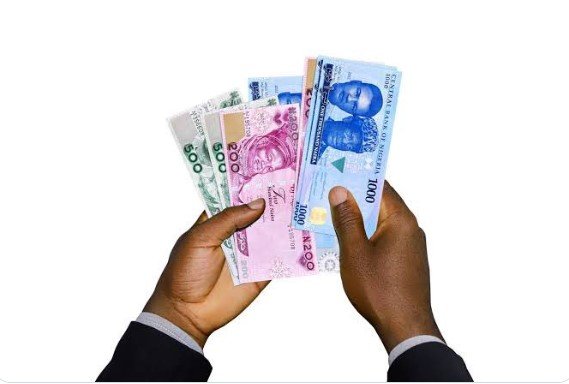
The Central Bank of Nigeria has urged Nigerians, particularly traders and other frequent users of cash, to handle the naira with care, pride and dignity to prolong the lifespan of banknotes and reduce the cost of replacing soiled and mutilated currency.
The apex bank made the call on Monday, September 28, 2026, during a roadshow and public awareness campaign on proper naira handling at Galadima Market in Kano State.
The campaign is part of the CBN’s continuing efforts to raise public awareness about the importance of preserving the quality of Nigeria’s currency and discouraging practices that damage banknotes while they are in circulation.
Speaking during the exercise, the Director of Currency Operations and Branch Management at the CBN, Dr Adedeji Adetona, said the naira is more than a medium of exchange, describing it as a symbol of Nigeria’s sovereignty and national pride.
Adetona, represented at the event by Deputy Director, Currency Operations Department, Ibrahim Yahya, urged members of the public to take greater responsibility for protecting the currency.
According to the CBN, improper handling of banknotes contributes to their deterioration and increases the resources required to replace notes that become dirty, worn out, soiled or mutilated.
The bank said extending the useful life of currency notes through proper handling would help reduce avoidable replacement costs.
CBN Takes Naira Awareness Campaign to Kano Markets
The sensitisation exercise at Galadima Market forms part of a wider campaign targeting major commercial centres across Kano State.
The CBN selected markets as important points of engagement because of the large volume of cash transactions that take place there every day.
Traders routinely receive naira notes from customers, use cash to conduct transactions and, in many cases, deposit proceeds with banks.
The CBN therefore considers traders important stakeholders in efforts to preserve the quality of banknotes in circulation.
Speaking at the market, Yahya explained that traders are among the people who handle significant amounts of physical cash daily.
He said educating traders directly about proper currency handling could contribute significantly to the bank’s objective of reducing damage to banknotes.
The CBN representative said the campaign would not end at Galadima Market, as officials planned to take the sensitisation message to other major markets across the state.
Markets listed for the campaign include Sabon Gari Market, Abattoir, Yankaba Market, Tarauni Market, Yan Lemo and Dawanau International Grains Market. (Business Times Nigeria)
Why CBN Is Concerned About Naira Handling
The CBN’s latest campaign is aimed at addressing practices that shorten the lifespan of Nigerian banknotes.
Banknotes naturally wear out through circulation, but improper handling can accelerate the process.
The apex bank has previously warned against practices including folding, tearing, writing on notes, spraying money at social events and other forms of mutilation.
The CBN has said such practices affect the quality and durability of banknotes and increase the cost associated with currency management.
In 2025, the apex bank launched a nationwide sensitisation campaign under the theme “Naira Our Pride: Handle with Care,” with officials warning that careless handling of banknotes increases the cost of printing and replacing currency. (Punch Newspapers)
The current Kano campaign builds on that broader effort to encourage Nigerians to treat the naira responsibly.
Adetona: Handle Naira With Pride and Dignity
Adetona urged Nigerians to handle the national currency with pride and dignity.
The message was directed particularly at people who frequently handle cash, including traders and other participants in the informal and formal commercial sectors.
The CBN official said proper handling would help extend the lifespan of individual notes before they need to be removed from circulation and replaced.
The bank’s position is that reducing unnecessary damage to banknotes can lower avoidable currency-management expenses.
The CBN has also described the protection of the naira as a collective responsibility involving banks, businesses, consumers, market associations and members of the wider public.
The campaign is therefore intended not only to educate traders but also to encourage behavioural changes among Nigerians who use physical cash.
Traders Key to Protecting Currency
Kano is one of Nigeria’s major commercial centres, with markets serving large numbers of traders and customers.
The CBN said this makes the state an important location for public education on proper naira handling.
Yahya explained that traders receive cash from customers and may later take part of their proceeds to banks.
Consequently, the way traders handle banknotes can influence their condition as they move through the cash cycle.
The CBN wants traders to avoid actions that unnecessarily damage or soil the notes.
The bank also wants consumers to understand that protecting banknotes is not solely the responsibility of financial institutions.
Members of the public also play a role in maintaining the quality of currency while it is in circulation.
Galadima Market Traders Pledge Support
The Chairman of the Galadima Market Traders Association, Shu’aibu Suleiman, welcomed the CBN’s decision to take the sensitisation campaign directly to traders.
Suleiman said the market association would cooperate with the apex bank in educating traders, particularly small-scale sellers, on proper naira handling.
He noted that Galadima Market has a large number of small traders, including fish sellers, who would benefit from the awareness exercise.
The market leadership pledged to support the CBN in spreading the message among traders and customers.
The chairman also stressed the importance of sustained public education to encourage responsible handling of Nigerian banknotes.
CBN Expands Campaign Beyond Kano
The Kano roadshow is part of a wider CBN strategy of taking its naira awareness campaign directly to members of the public.
The apex bank has previously taken similar sensitisation efforts to different sections of society.
In May 2026, the CBN extended its naira sensitisation campaign to railway passengers, using the rail network to reach a broad section of the public. The initiative included public education on avoiding practices such as spraying, writing on and damaging banknotes. (Central Bank of Nigeria)
The CBN has also established initiatives aimed at educating young Nigerians about the importance of treating the naira responsibly.
In June 2026, the bank launched a Naira Ambassadors Club as part of efforts to promote proper currency handling among students and young people. (Punch Newspapers)
The latest Kano exercise shows that the campaign is also being taken directly to commercial markets where large volumes of physical cash are handled.
CBN Warns Against Currency Abuse
The campaign comes amid continuing concern over the condition of some naira notes in circulation.
The CBN has repeatedly urged Nigerians to stop practices that damage banknotes.
Among the practices previously identified by the apex bank are writing on notes, tearing them, excessive folding, spraying and other forms of mutilation.
Such practices can cause notes to become unfit for circulation more quickly.
Once banknotes become excessively worn or damaged, they have to be removed from circulation and replaced with new notes.
The CBN’s argument is that reducing avoidable damage can help reduce the frequency with which notes need to be replaced.
The bank has therefore continued to emphasise responsible handling as part of efficient currency management.
Naira as a National Symbol
Beyond the financial cost of replacing banknotes, the CBN has continued to frame the campaign around the national significance of the currency.
Adetona described the naira as a symbol of Nigeria’s sovereignty and national pride.
The CBN has previously used similar language in its public awareness campaigns, stressing that the currency represents more than a means of conducting transactions.
In 2025, the apex bank said protecting the naira was connected to national pride, public confidence and the efficient functioning of the financial system. (Punch Newspapers)
The bank is now taking that message to traders and other members of the public through direct engagement.
What Nigerians Are Being Asked to Do
The CBN’s message to Nigerians is straightforward: handle physical currency carefully and avoid actions that unnecessarily damage banknotes.
Members of the public are encouraged to keep notes in good condition during transactions and avoid using them in ways that could cause tearing, excessive soiling or mutilation.
Traders, who handle large volumes of cash, have been identified as a particularly important group in the campaign.
The CBN also wants market associations to help spread awareness among their members.
The bank believes that consistent education and responsible behaviour can help extend the lifespan of banknotes and reduce avoidable replacement expenses.
Why the Campaign Matters
Although Nigeria has increasingly adopted electronic payment channels, cash remains an important part of everyday transactions, particularly in markets and other commercial environments.
The continued circulation of physical naira notes means that their condition remains relevant to the country’s currency-management system.
For the CBN, encouraging Nigerians to handle banknotes properly is therefore part of maintaining an efficient cash ecosystem.
The bank’s latest campaign also demonstrates its continued focus on public awareness as a tool for reducing currency abuse.
Rather than relying solely on regulatory measures, the CBN is engaging directly with traders, market associations, students, commuters and other groups that interact with the naira regularly.
CBN’s Message to Nigerians
The CBN has reiterated that protecting the naira requires cooperation from all Nigerians.
At Galadima Market, the bank specifically appealed to traders to treat banknotes with care, pride and dignity.
The campaign is expected to continue across major markets in Kano State, with the CBN using direct engagement to educate traders and members of the public.
The bank says the objective is to encourage responsible handling, extend the lifespan of notes and reduce resources spent replacing damaged currency.
As the sensitisation campaign continues, the CBN is urging Nigerians to see themselves as custodians of the national currency and to play their part in preserving the quality of naira notes in circulation.
The Kano campaign therefore marks another stage in the apex bank’s broader drive to curb naira abuse and promote responsible currency handling across Nigeria.