
Senate Approves President Tinubu’s Request to Deploy Troops in Benin, Signals Stronger Regional Security Cooperation
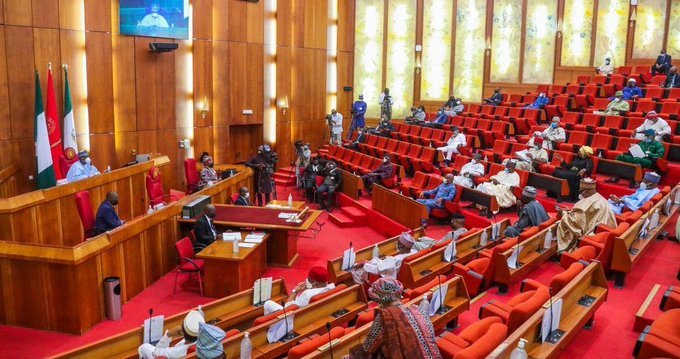
The Nigerian Senate has approved President Bola Ahmed Tinubu’s request for the deployment of Nigerian troops to the Republic of Benin, marking a significant milestone in the country’s regional security engagement and its commitment to stabilizing the West African sub-region. The approval followed intense deliberations by lawmakers during plenary, reflecting the growing urgency to confront transnational security threats along Nigeria’s western border.
The decision underscores Nigeria’s expanding role in regional peacekeeping and collective security under multilateral frameworks, particularly within the Economic Community of West African States (ECOWAS) and other bilateral security arrangements. It also highlights the mounting pressure on West African nations to collaborate more closely in the face of rising terrorism, banditry, arms trafficking, and cross-border criminal networks.
Presidential Request and Senate Deliberations
President Tinubu, in a formal letter addressed to the Senate, sought legislative approval for the deployment of Nigerian troops to Benin as part of a joint regional security operation. The request was made in line with constitutional provisions which require the National Assembly’s endorsement for the deployment of Nigerian armed forces outside the country’s borders, except in cases of imminent threat.
The Senate President read the letter during plenary, after which it was debated by senators across party lines. Lawmakers largely agreed on the necessity of the deployment, citing the increasing security threats spilling across Nigeria’s borders and the strategic importance of Benin in safeguarding Nigeria’s western flank.
Several senators emphasized that Nigeria’s security challenges can no longer be addressed in isolation. They noted that criminal groups and extremist elements operate seamlessly across national boundaries, exploiting weak border controls and porous frontiers to evade security forces.
After exhaustive discussions, the Senate voted to approve the request, granting President Tinubu the authority to deploy troops to Benin under the agreed regional security arrangements.
Strategic Importance of the Benin Deployment
Benin Republic shares a long and porous border with Nigeria, particularly with states such as Lagos, Ogun, and Kwara. Over the years, the border areas have been vulnerable to smuggling, human trafficking, arms proliferation, and the movement of terrorist and bandit groups.
Recent years have seen extremist groups linked to jihadist movements in the Sahel gradually pushing southwards, threatening coastal West African states like Benin, Togo, and Ghana. Attacks in northern Benin have raised alarm within regional security circles, prompting coordinated military responses among neighboring countries.
By approving the deployment of Nigerian troops to Benin, the Senate has reinforced Nigeria’s commitment to preventing these threats from gaining a foothold closer to its borders. Security analysts describe the move as proactive rather than reactive, aimed at stopping insurgent groups before they can regroup and launch attacks on Nigerian territory.
Constitutional and Legal Basis for the Deployment
Under Nigeria’s 1999 Constitution (as amended), the President, as Commander-in-Chief of the Armed Forces, has the authority to deploy military personnel for both internal and external operations. However, when such deployments occur outside Nigeria’s territorial boundaries, legislative backing from the National Assembly is required for transparency, accountability, and democratic oversight.
The Senate’s approval therefore provides the constitutional legitimacy required for the operation, ensuring that Nigeria’s involvement in Benin is in full compliance with national laws and international obligations.
Lawmakers stressed that the deployment would be carried out strictly under defined rules of engagement and within the framework of regional agreements, avoiding any perception of unilateral military intervention.
Tinubu’s Regional Security Agenda
Since assuming office, President Tinubu has emphasized regional diplomacy and security cooperation as key pillars of his foreign policy. He has consistently argued that Nigeria’s security is deeply interconnected with that of its neighbors and that threats in one West African country inevitably affect the entire region.
The Benin troop deployment aligns with this broader vision. It reflects a strategic shift toward preventive security diplomacy—using military cooperation, intelligence sharing, and joint operations to neutralize threats before they escalate into full-blown regional crises.
Tinubu has also used Nigeria’s leadership role within ECOWAS to advocate for collective responses to political instability and security breakdowns across the sub-region. The latest Senate approval strengthens his hand in implementing this proactive regional security strategy.
Scope and Nature of the Deployment
Although detailed operational specifics remain classified for security reasons, it is understood that the Nigerian troops will work alongside Beninese forces and possibly other regional partners under a joint command structure.
The deployment is expected to focus on:
- Counter-terrorism operations in northern Benin.
- Border security and surveillance along strategic corridors.
- Intelligence sharing and joint patrols.
- Training and capacity-building for local forces.
- Support for community-based security efforts.
Military experts believe the operation will likely involve both ground troops and intelligence units, with possible air surveillance support depending on evolving security conditions.
Lawmakers’ Reactions and National Interest
During the Senate debate, many lawmakers praised the President’s initiative, describing it as timely and necessary. They pointed out that Nigeria’s western borders have historically been used as transit routes for contraband weapons, drugs, and illegal migrants, all of which fuel insecurity within the country.
Some senators also highlighted the economic implications of insecurity along the Nigeria–Benin corridor. The Lagos–Badagry–Seme axis is one of West Africa’s busiest trade routes, serving as a critical gateway for commerce between Nigeria and other ECOWAS states. Persistent insecurity along this route threatens trade, investment, and the livelihoods of border communities.
By approving the troop deployment, lawmakers said Nigeria is not only protecting its territorial integrity but also safeguarding regional trade and economic stability.
However, a few senators urged the Federal Government to ensure that the welfare of deployed troops is adequately addressed, stressing the importance of proper logistics, insurance, and clear mission objectives to prevent unnecessary loss of life.
Implications for Nigeria’s Internal Security
The external deployment comes at a time when Nigeria continues to battle internal security challenges, including insurgency in the North-East, banditry in the North-West and North-Central, and separatist unrest in the South-East.
While some Nigerians have expressed concerns about the strain on the military’s resources, security experts argue that regional deployments can actually strengthen Nigeria’s internal security by disrupting criminal supply lines and safe havens beyond its borders.
They note that many of the weapons used by criminal groups in Nigeria are trafficked through neighboring countries. Effective collaboration with Benin could significantly reduce these illicit flows, thereby weakening violent groups operating within Nigeria.
ECOWAS and Multilateral Security Cooperation
Nigeria has historically been a major pillar of ECOWAS peacekeeping and security operations, having played leading roles in interventions in Liberia, Sierra Leone, Guinea-Bissau, Mali, and The Gambia.
The approval of the Benin deployment reinforces Nigeria’s traditional leadership position within the regional bloc. It also sends a strong signal that West African states remain committed to collective security despite political and economic pressures.
Regional observers believe the operation could serve as a model for future joint missions aimed at curbing the spread of violent extremism from the Sahel to coastal West Africa.
Public Reaction and Civil Society Perspectives
Public reaction to the Senate’s decision has been largely mixed. Many Nigerians have welcomed the move, viewing it as a bold step to address cross-border crime and terrorism at their source.
Some civil society groups, however, have urged the government to balance external military commitments with urgent domestic needs, including improved policing, intelligence reform, and socio-economic development in conflict-prone areas.
They have also called for periodic briefings to the National Assembly and the public on the progress of the mission, to ensure transparency and democratic oversight.
Economic and Diplomatic Dimensions
Beyond security, the deployment carries important diplomatic and economic implications. Stronger Nigeria–Benin security ties are expected to deepen bilateral relations between both countries, which have experienced tensions in the past, particularly over border closures and trade disputes.
Enhanced security cooperation could pave the way for renewed economic integration, smoother cross-border trade, and improved movement of goods and people in line with ECOWAS free trade and mobility protocols.
Business leaders in border communities have expressed optimism that improved security conditions could restore confidence among traders and investors who were previously deterred by insecurity.
Risk Assessment and Operational Challenges
Despite the optimism surrounding the deployment, military analysts caution that the mission will not be without risks. Terrorist groups operating in the region are known for their adaptability and ability to exploit local grievances.
There are also logistical challenges associated with operating in difficult terrain and coordinating multiple national forces under a unified command structure. Issues such as language barriers, intelligence interoperability, and differences in military doctrine could pose hurdles.
Nonetheless, experts argue that Nigeria’s extensive experience in peacekeeping and counter-insurgency operations provides a solid foundation for overcoming these challenges.
What Comes Next
Following the Senate’s approval, the Federal Government is expected to finalize operational plans in coordination with the Beninese authorities and regional security partners. The Defence Headquarters will oversee the deployment process, including troop selection, equipment allocation, and mission timelines.
The National Assembly is also likely to exercise continuous oversight through its defence and security committees, ensuring that the mission remains within its authorized scope and that the welfare of Nigerian soldiers is prioritized.
Conclusion
The Senate’s approval of President Tinubu’s request to deploy Nigerian troops to Benin marks a significant step in Nigeria’s evolving regional security strategy. It reflects a recognition that modern security threats are increasingly transnational and require coordinated responses beyond national borders.
By endorsing the deployment, the Senate has strengthened Nigeria’s commitment to collective security in West Africa, reinforced constitutional governance in military decision-making, and signaled a proactive approach to safeguarding both national and regional stability.
As Nigerian troops prepare to operate alongside their Beninese counterparts, the success of the mission will depend not only on military strength but also on sustained political will, effective diplomacy, and comprehensive regional cooperation. The coming months will be critical in determining whether this bold move translates into lasting security gains for Nigeria and its neighbors.