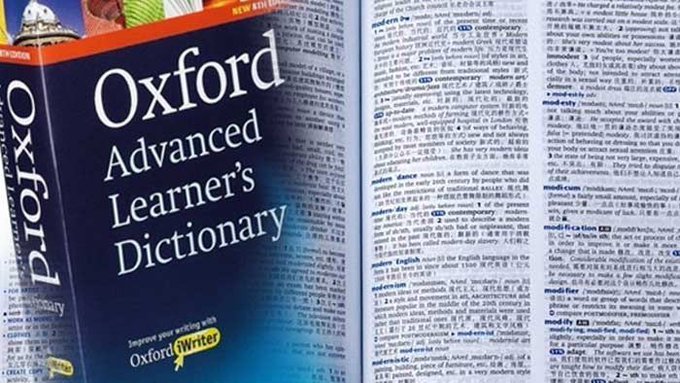
In a historic moment for Nigerian culture and language, the Oxford English Dictionary (OED) has officially added the words “nyash,” “mammy market,” and “amala” to its lexicon, marking another major milestone in the global recognition of Nigerian and West African English.
The inclusion of these words in one of the world’s most authoritative dictionaries underscores the growing influence of Nigerian language, food, social structures, and pop culture on global English usage. Linguists say the development reflects how English continues to evolve through everyday speech, migration, music, digital communication, and cultural exchange.
A Landmark Moment for Nigerian English
For decades, Nigerian English — shaped by indigenous languages, Nigerian Pidgin, colonial history, and modern pop culture — has developed its own unique expressions. While many of these words have long been used informally across Nigeria and the diaspora, their formal recognition by the Oxford English Dictionary represents international validation.
The OED’s editorial policy is based on evidence of sustained, widespread use over time. Words are not added because they are trendy, but because they have proven relevance, consistency, and cultural significance. The acceptance of “nyash,” “mammy market,” and “amala” therefore signals that these terms have moved beyond local slang or regional usage into the realm of global English.
Understanding the Newly Added Words
Each of the newly recognised words carries deep cultural meaning rooted in Nigerian society.
Nyash
The word “nyash” is commonly used in Nigerian English and Nigerian Pidgin to refer to a person’s buttocks or backside. Often used informally or humorously, the term has become popular in everyday conversation, social media, music lyrics, and pop culture. Its spread has been amplified by Nigerian entertainment, online content creators, and the global reach of Afrobeat music.
Mammy Market
“Mammy market” refers to a type of market traditionally operated by women, particularly within or around military barracks in Nigeria. Over time, the concept expanded beyond military communities to universities, residential areas, and other institutions. Mammy markets are known for selling cooked food, groceries, household items, and providing informal social spaces. The term reflects not just commerce, but community life, gender roles, and informal economies in Nigeria.
Amala
“Amala” is a staple Nigerian food, especially popular among the Yoruba people of southwestern Nigeria. It is a soft dough made from yam flour, cassava flour, or unripe plantain flour, usually eaten with soups such as ewedu, gbegiri, or assorted vegetable stews. The inclusion of “amala” in the OED places Nigerian cuisine firmly on the global linguistic and cultural map.
Language as Culture, Not Just Words
Experts note that dictionaries do more than define words; they document how people live, eat, trade, joke, and express identity. The addition of Nigerian words reflects the lived experiences of millions of people whose voices are increasingly shaping global conversations.
Nigerian English has long been one of the most dynamic varieties of English in the world. With over 200 million people in Nigeria and a vast diaspora across Europe, North America, and other parts of Africa, Nigerian expressions have naturally crossed borders. Social media platforms, Nollywood films, Nigerian music, and online storytelling have accelerated this spread.
Words like “nyash” and “mammy market” are not merely vocabulary items — they capture social realities, humor, and shared understanding within Nigerian communities. “Amala,” meanwhile, represents culinary heritage and identity, showing how food can also influence language.
The Role of Nigerian Pop Culture and the Diaspora
The global success of Nigerian music, especially Afrobeat and Afropop, has played a major role in popularising Nigerian expressions worldwide. Artists frequently incorporate local slang and cultural references into their lyrics, exposing international audiences to Nigerian English.
Similarly, Nigerian writers, comedians, filmmakers, and content creators have used social media to showcase everyday Nigerian speech. As a result, words that were once considered local or informal are now widely understood by non-Nigerians.
The Nigerian diaspora has also contributed significantly. As Nigerians live, work, and study abroad, they carry their language with them, blending it into conversations, classrooms, workplaces, and digital spaces. Over time, repeated usage in these environments strengthens the case for dictionary inclusion.
Why Oxford’s Recognition Matters
The Oxford English Dictionary is regarded as one of the most respected records of the English language. Its decisions influence education, publishing, journalism, and academic research worldwide. When the OED recognises a word, it confirms that the word has achieved lasting relevance.
For Nigerians, this recognition challenges outdated notions that standard English exists only in British or American forms. Instead, it affirms that English is a shared global language, shaped by diverse cultures and histories.
Language scholars describe this as part of the broader acceptance of “World Englishes” — the idea that English belongs to all who speak it, not just its original native speakers.
Broader Implications for Education and Identity
The inclusion of Nigerian words in the OED may also have implications for education and language attitudes. Teachers and students can increasingly point to authoritative sources to validate local expressions. Writers and journalists may feel more confident using Nigerian English terms without excessive explanation or apology.
Beyond academics, the development strengthens cultural pride. Many Nigerians see the recognition as confirmation that local culture, food, markets, and everyday expressions are worthy of global respect.
Public Reaction Across Nigeria
News of the dictionary update has sparked widespread excitement across Nigeria, particularly on social media. Many Nigerians have celebrated the development as long overdue, while others see it as a victory for African representation in global institutions.
Humorous reactions have also emerged, with Nigerians joking about which local expressions might be added next. The conversation itself reflects how deeply language is woven into national identity and daily life.
English as a Living Language
The Oxford English Dictionary regularly updates its entries to reflect changes in how English is used. This process acknowledges that language is not fixed but constantly evolving. New words emerge, meanings shift, and cultural influences reshape vocabulary.
The recognition of Nigerian words fits into a broader trend of incorporating expressions from Africa, Asia, the Caribbean, and other regions where English has developed unique local forms.
A Cultural Milestone, Not Just a Dictionary Update
Ultimately, the addition of “nyash,” “mammy market,” and “amala” is more than a linguistic update. It is a cultural milestone that highlights Nigeria’s growing global influence.
From food to fashion, music to markets, Nigerian culture continues to shape international conversations. The Oxford English Dictionary’s recognition confirms what millions already know: Nigerian English is vibrant, expressive, and here to stay.
As English continues to evolve in the 21st century, the voices shaping it will come from every corner of the world — and Nigeria’s voice is now firmly etched into its most prestigious records.