
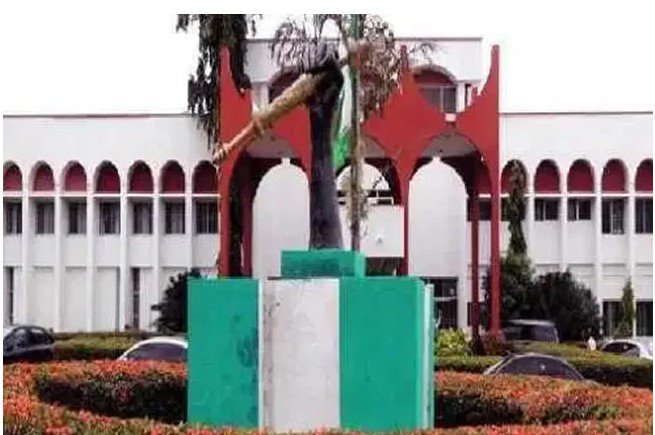
The Anambra State House of Assembly has passed a bill seeking to establish the Anambra State Rural Access Roads Agency, a move aimed at strengthening the development, rehabilitation and maintenance of rural road infrastructure across the state’s 21 local government areas.
The bill, which scaled third reading during plenary, is designed to create a statutory body dedicated to overseeing Class C and Class D roads—typically rural access routes linking agrarian communities to markets, schools, healthcare centres and urban hubs.
Lawmakers described the legislation as a strategic intervention to address long-standing rural infrastructure deficits and unlock greater economic potential in farming and semi-urban communities.
Legislative Proceedings and Passage
The bill was considered during a plenary session presided over by the Speaker of the House, Somtochukwu Udeze. After deliberations and clause-by-clause consideration, members voted in favour of its passage.
During debate, the Majority Leader, Ikenna Ofodeme, emphasized that rural roads remain a critical backbone of economic activity in Anambra State. He argued that the absence of well-maintained access roads has continued to hamper agricultural productivity, inflate transportation costs and restrict mobility in rural communities.
According to lawmakers, the proposed agency will be empowered to plan, construct, reconstruct, rehabilitate and maintain rural roads, while also coordinating funding and technical partnerships that support sustainable infrastructure delivery.
The bill now awaits assent by the Governor before becoming law.
Purpose and Scope of the Proposed Agency
The Anambra State Rural Access Roads Agency, once formally established, is expected to operate as a specialized institution focused exclusively on rural road networks.
Its key responsibilities will include:
- Identification and prioritization of rural road projects;
- Supervision of construction and rehabilitation works;
- Periodic maintenance to ensure road durability;
- Collaboration with local governments and community stakeholders;
- Development of standards for rural transport infrastructure.
Legislators explained that the creation of a dedicated agency will help institutionalize rural road management, rather than relying solely on ad hoc interventions or fragmented oversight by multiple departments.
The agency is also expected to align with federal rural access initiatives and explore funding support from development partners where applicable.
Addressing Rural Infrastructure Gaps
Anambra State, despite being one of Nigeria’s commercially vibrant states, has faced persistent complaints regarding the condition of rural access roads. Many farming communities rely on untarred, erosion-prone routes that become impassable during the rainy season.
Poor rural roads contribute to:
- Delays in transporting agricultural produce to markets;
- Increased vehicle maintenance costs;
- Limited access to emergency healthcare;
- Reduced school attendance in remote areas.
Lawmakers said the establishment of a rural roads agency reflects recognition that infrastructure development must extend beyond urban centres such as Awka, Onitsha and Nnewi.
By strengthening rural connectivity, the state hopes to reduce post-harvest losses, stimulate local commerce and enhance rural livelihoods.
Debate and Concerns Raised
While the majority of lawmakers supported the bill, some members raised concerns during deliberations.
One key issue was the potential overlap between the proposed agency’s responsibilities and those constitutionally assigned to local governments, particularly in relation to feeder roads and community infrastructure.
Critics cautioned that without clear delineation of functions, the agency could create duplication or administrative conflict. They urged that the law clearly define coordination mechanisms between the agency and local councils to avoid inefficiency.
In response, proponents argued that the agency would serve as a coordinating and capacity-building body, complementing local government efforts rather than displacing them.
They further noted that many local councils lack the financial and technical capacity to manage large-scale road projects independently.
Alignment with State Development Agenda
The passage of the bill aligns with the broader infrastructure and economic agenda of the administration of Chukwuma Soludo.
Governor Soludo’s government has prioritized infrastructure modernization as part of its development blueprint, including urban renewal, erosion control and transportation upgrades.
The rural roads initiative is viewed as an extension of this policy direction, targeting inclusive growth and balanced development across all senatorial zones.
Infrastructure experts argue that rural access roads are among the most cost-effective public investments, particularly in agriculturally active regions. Improved connectivity typically leads to increased farm output, reduced transportation time and better integration of rural producers into state and national markets.
Economic and Social Impact
The economic implications of a functional rural road agency could be substantial.
In Anambra State, agriculture remains a significant source of livelihood in many communities. Farmers cultivating crops such as cassava, rice, vegetables and palm produce often face logistical bottlenecks when attempting to transport goods.
Improved roads could:
- Shorten travel time between villages and major markets;
- Lower the cost of food distribution;
- Encourage private sector investment in agro-processing;
- Facilitate access to credit and extension services.
Beyond economic gains, enhanced rural access also improves social indicators. Better roads enable quicker response times for emergency medical services and enhance security mobility.
Development planners note that infrastructure equity—ensuring rural areas receive proportional attention—is critical for reducing urban migration pressures.
Funding and Implementation Considerations
While the legislative milestone has been achieved, questions remain regarding funding mechanisms and implementation timelines.
The agency, once operational, will require budgetary allocation for staffing, equipment, project execution and maintenance.
Funding may come from:
- Annual state budget appropriations;
- Infrastructure levies or dedicated funds;
- Federal government support;
- Grants from development partners.
Transparency and accountability mechanisms will be crucial to ensure that allocated funds translate into tangible improvements on the ground.
Observers stress that regular audits, performance benchmarks and community engagement will be necessary to sustain public confidence.
Stakeholder Reactions
The bill’s passage has generated mixed reactions across the state.
Rural community leaders and farmer associations have welcomed the initiative, expressing hope that it will bring long-awaited improvements to neglected road networks.
Civil society organizations have urged the state government to accompany the new agency with clear operational guidelines and citizen monitoring frameworks.
Infrastructure analysts have also highlighted the importance of prioritizing durable road designs suited to local terrain, particularly in areas prone to erosion and flooding.
Next Steps Before Becoming Law
Following its passage by the House of Assembly, the bill will be transmitted to Governor Soludo for assent.
If signed into law, the government will proceed with the appointment of a governing board and management team for the agency, alongside the development of an implementation roadmap.
Regulatory guidelines and operational manuals are expected to follow, detailing procurement procedures, maintenance schedules and reporting standards.
The timeline for the agency’s full operationalization will likely depend on budgetary approvals and administrative processes.
Conclusion
The passage of the bill establishing the Anambra State Rural Access Roads Agency represents a significant legislative effort to strengthen infrastructure development in rural communities.
By creating a dedicated institutional framework for rural road management, the Anambra State House of Assembly has signaled its intention to bridge infrastructure gaps and promote inclusive economic growth.
As the bill awaits gubernatorial assent, attention now shifts to implementation. For many rural residents, the true measure of success will lie not in legislative records but in smoother, safer and more accessible roads that connect communities to opportunity.
If effectively executed, the initiative could mark a transformative step toward balanced development and improved quality of life across Anambra State.