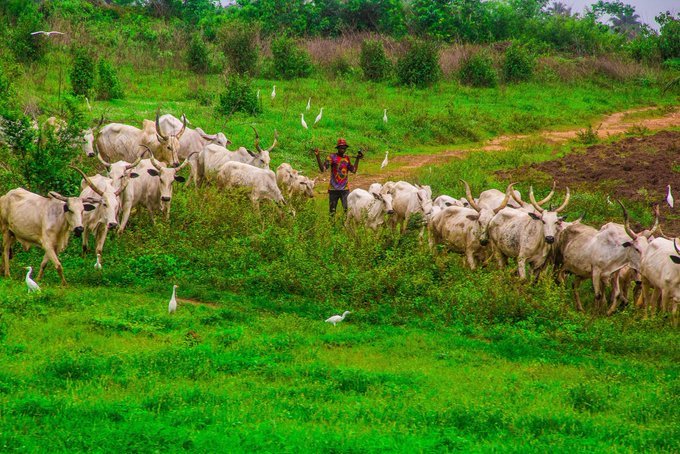
Abuja, Nigeria — In a landmark policy shift that could reshape Nigeria’s agricultural and security landscape, the Federal Government has officially banned open grazing across the country, citing the urgent need to halt decades of violent clashes between farmers and herders.
The decision follows years of worsening confrontations that have left thousands dead, displaced entire communities, crippled food production, and fueled ethnic and regional divisions. By implementing a nationwide prohibition on open grazing, the government aims to enforce ranching, strengthen livestock management systems, and promote peaceful coexistence in rural and agrarian areas.
Why the Ban Now?
The policy is a culmination of rising pressure from state governments, security agencies, civil society organisations, and agricultural stakeholders who argue that open grazing:
- Fuels violent confrontations between farmers and migrating cattle herders.
- Destroys farmlands and crops, triggering food shortages.
- Strains relations between communities and ethnic groups.
- Exposes children and minors who herd cattle to dangers, including abduction and violence.
- Undermines efforts to modernize livestock production.
Nigeria’s traditional pattern of free-range cattle movement across state borders has become increasingly untenable against the backdrop of:
- Population growth
- Shrinking arable land
- Expanding urban settlements
- Climate change and desertification
- Armed banditry and criminal infiltration of herding routes
Security analysts say the situation has evolved from a land-use disagreement into a national security and food-survival crisis.
Government Position
Federal officials describe the ban as a necessary step to preserve lives, boost food security, and promote 21st-century livestock management practices.
Government sources also confirm that the plan is tied to:
- Reduction of fatal clashes
- Promotion of ranching and sedentary livestock farming
- A transition to modern methods of meat and dairy production
- Prevention of uncontrolled cattle movements across states
The Federal Government has signaled readiness to work with states that need support to establish ranching infrastructure — including land acquisition, irrigation, fencing, veterinary facilities, and livestock feed supply chains.
What the Ban Means for States
Under the new directive:
- Open grazing of cattle across public pathways, forests, communities, and farmlands is prohibited nationwide.
- Cattle movement from state to state on foot is discouraged and may soon be subject to enforcement regulation.
- States are encouraged to develop ranching policies suited to their terrain, culture, and land availability.
- Local and state security outfits, in collaboration with federal agencies, are expected to enforce compliance.
The ban aligns with existing laws already introduced in several states, including:
- Benue
- Lagos
- Oyo
- Ekiti
- Akwa Ibom
- Rivers
- Ondo
These states have long argued that legislative control over grazing is essential for protecting citizens and preserving agricultural output.
How Bad Has the Conflict Become?
The farmers-herders conflict is one of Nigeria’s longest-running internal crises, with casualties in the thousands and economic damage in the billions of naira.
Documented effects include:
- Large-scale killings in rural communities
- Mass displacement and refugee movement into towns and IDP camps
- Abandonment of farmlands due to fear of attack
- Steep rise in food prices linked to reduced harvests
- Growth of militia activities
- Criminal infiltration, including kidnappers posing as herders
Some of the most affected regions include:
- Benue and Plateau (Middle Belt)
- Kaduna
- Taraba
- Zamfara
- Niger
- Kebbi
- Kwara
- Nasarawa
- Katsina
- Adamawa
- Southern states where cattle now migrate in search of greener areas
The conflict is not only deadly but economically catastrophic, contributing to Nigeria’s current high food inflation and stagnating agricultural output.
Reaction from Farmers
Many farmers have welcomed the decision, calling it long overdue.
They argue that:
- Open grazing has destroyed plantations and crops.
- Conflicts have discouraged young Nigerians from farming.
- Food insecurity cannot end without restoring rural safety.
- The move will finally give farmers peace of mind to return to their fields.
Several farmers’ associations also want:
- Clear enforcement timelines
- Compensation for destroyed farms
- Deployment of security to rural communities
- Quick rollout of ranching infrastructure
Reaction from Cattle Owners and Herders
While some herders’ groups have expressed readiness to adapt, others are concerned about:
- Limited availability of ranching land
- High cost of operating ranches
- Risk of dislocation for nomadic communities
- Lack of financial support for cattle owners transitioning to modern methods
Advocacy groups are urging the government to:
- Provide soft loans for ranch development
- Modernize cattle markets
- Support education for nomadic children
- Establish feed mills and grazing reserves
- Build solar-powered water systems for livestock
Experts warn that unless implementation is balanced, the transition could trigger resistance among traditional herders who have practiced nomadic cattle rearing for generations.
Livestock Industry Analysts Weigh In
Agricultural and livestock specialists say that the ban:
- Will bring Nigeria in line with global livestock management standards.
- Could unlock billions of naira in agribusiness investment.
- Will reduce conflict and communal tension.
- May improve animal health, meat hygiene, and dairy quality.
- Opens opportunities for modern ranching, feed production, and veterinary services.
Analysts also note that the decision may reshape the regional economy, as neighboring West African countries also rely on cross-border cattle movement.
Food Security Implications
Ending open grazing is expected to:
Improve Crop Production
With fewer farms destroyed, food output could increase.
Reduce Rural Abandonment
Communities may return to farming if violence subsides.
Stabilize Food Prices
Higher agricultural output could slow food inflation over time.
Support Agribusiness Growth
Local processing and livestock value chains stand to benefit.
However, short-term disruptions are possible as herders transition to ranching systems.
Enforcement: The Next Major Test
The success of the nationwide ban depends on:
- Cooperation between federal, state, and local governments
- Availability of funding for ranching projects
- Rural security and policing
- Legislative backing at the state level
- Monitoring of cattle movement across borders
- Peaceful negotiation with herding communities
Observers warn that failure to enforce the ban consistently may reduce its effectiveness and prolong the crisis.
A Turning Point for Nigeria
The ban on open grazing marks one of the most impactful agricultural policies of the decade. If successfully implemented, it could:
- End decades of deadly conflicts
- Rebuild rural economies
- Boost national food production
- Modernize Nigeria’s livestock industry
- Reduce ethnic and communal hostility
But the transition will require:
- Investment
- Patience
- Enforcement
- Stakeholder cooperation
- Continuous government engagement
For millions of Nigerians who have lived with fear, lost land, or buried loved ones due to the conflict, the decision represents a step toward justice and national stability.