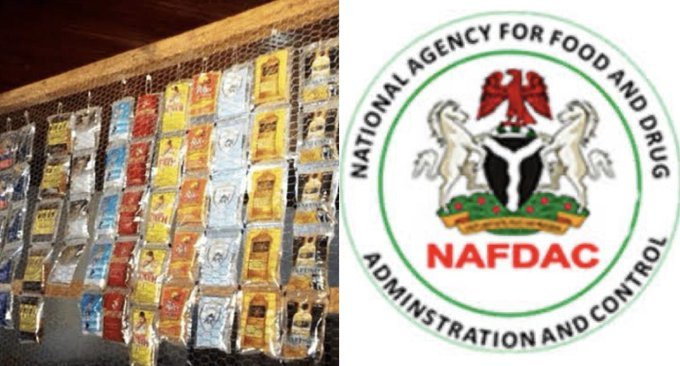
The Federal Government has directed the National Agency for Food and Drug Administration and Control (NAFDAC) to suspend the enforcement of the proposed ban on sachet alcohol and small-sized alcoholic beverages across Nigeria, marking a significant development in the ongoing national debate over alcohol regulation, public health, and economic stability.
The directive, which was issued from Abuja, effectively halts all regulatory actions aimed at restricting or phasing out the production, distribution, and sale of alcoholic drinks packaged in sachets and small polyethylene terephthalate (PET) bottles. The move comes amid mounting pressure from industry stakeholders, lawmakers, and civil society groups who have raised concerns about the potential economic and social consequences of a sudden enforcement of the ban.
Government Moves to Review Implementation Strategy
According to senior government officials familiar with the development, the decision to suspend the ban is intended to allow for broader consultation and a comprehensive review of the National Alcohol Policy framework before further action is taken.
Sources within the presidency indicated that while the government remains committed to protecting public health and addressing alcohol abuse—particularly among young people—it also recognizes the need to balance regulatory measures with economic realities.
“The suspension is not a reversal of public health goals,” an official said. “It is a pause to ensure that any regulatory action is properly aligned with national policy, economic sustainability, and stakeholder engagement.”
The order instructs NAFDAC to immediately stop enforcement operations, including factory inspections aimed at compliance with the ban, sealing of warehouses, and confiscation of sachet alcohol products pending further directives.
Background: The Sachet Alcohol Ban Debate
The controversy surrounding sachet alcohol in Nigeria dates back several years. In 2018, a Memorandum of Understanding was signed between regulators, manufacturers, and relevant ministries to gradually phase out alcoholic beverages sold in sachets and small bottles below 200 millilitres. The move was designed to reduce accessibility to cheap alcohol, particularly among minors and low-income populations.
Public health advocates have long argued that sachet alcohol contributes to widespread alcohol misuse, road traffic accidents, domestic violence, and other social problems. The low price point and portability of sachet drinks, critics say, make them especially attractive to underage drinkers.
Over time, deadlines for full enforcement were extended to allow manufacturers to adjust packaging formats and deplete existing stock. The most recent timeline had projected stricter enforcement measures as the country approached the final phase of implementation.
However, recent enforcement steps reportedly triggered resistance from manufacturers, distributors, and retailers who warned of serious economic fallout.
Economic Concerns and Industry Pushback
Industry associations have consistently argued that the sachet alcohol sector supports thousands of jobs across Nigeria’s manufacturing, distribution, and retail value chains. Many small-scale traders, particularly in rural and semi-urban communities, rely heavily on sachet alcohol sales as a source of income.
Manufacturers have also pointed to significant investments made in production lines tailored specifically for sachet packaging. A sudden ban, they warned, could lead to factory shutdowns, layoffs, and financial losses running into billions of naira.
Economic analysts note that Nigeria’s beverage industry operates within a challenging macroeconomic environment marked by high inflation, foreign exchange constraints, and rising operational costs. In such a climate, abrupt regulatory changes can have ripple effects across multiple sectors.
“The alcohol industry is deeply integrated into Nigeria’s informal and formal economies,” said an economist based in Lagos. “Policy transitions must be carefully managed to avoid unintended consequences such as job losses, supply chain disruptions, and illicit market expansion.”
Public Health vs. Economic Stability
At the heart of the sachet alcohol debate lies a complex policy dilemma: how to curb harmful alcohol consumption without undermining economic livelihoods.
Public health experts emphasize that alcohol-related harm imposes a significant burden on Nigeria’s healthcare system. Studies have linked excessive alcohol consumption to liver disease, mental health disorders, accidents, and increased vulnerability to crime.
Advocates for the ban argue that limiting access to cheap, single-use alcoholic drinks is an effective strategy to reduce impulsive consumption and discourage underage drinking.
However, critics caution that prohibition-style measures may drive consumers toward unregulated and potentially more dangerous alternatives, including locally distilled spirits produced without proper safety oversight.
By suspending the enforcement of the ban, the Federal Government appears to be signaling a preference for a more measured, policy-driven approach rather than immediate, sweeping restrictions.
NAFDAC’s Regulatory Mandate
NAFDAC, as Nigeria’s primary food and drug regulatory authority, has consistently maintained that its actions are guided by its statutory responsibility to safeguard public health.
The agency has previously defended the sachet alcohol phase-out plan as a carefully considered strategy developed in collaboration with stakeholders and aligned with global best practices in alcohol control.
In earlier statements, NAFDAC leadership emphasized that the ban was not intended to punish manufacturers but to protect vulnerable populations, particularly young Nigerians.
With the new federal directive, the agency is expected to suspend enforcement activities while awaiting further clarification on policy direction. Regulatory observers anticipate that NAFDAC will continue to monitor product safety and compliance standards in the interim.
Legislative and Political Dimensions
The sachet alcohol issue has also attracted attention from lawmakers. Members of the National Assembly have previously debated the socio-economic implications of the ban, with some legislators urging regulators to slow down implementation pending wider consultations.
Political analysts suggest that the government’s suspension order reflects sensitivity to public sentiment and the potential political ramifications of large-scale job losses or business closures.
As Nigeria continues to grapple with economic challenges, policymakers are under pressure to ensure that regulatory reforms do not exacerbate unemployment or deepen financial hardship.
Stakeholder Engagement Expected
Industry groups have welcomed the suspension as an opportunity for renewed dialogue. Representatives of beverage manufacturers and trade associations have called for structured engagement with regulators to develop a balanced regulatory framework.
Civil society organizations, meanwhile, have urged the government not to abandon efforts to tackle alcohol abuse. Some have proposed alternative measures such as stricter age verification, higher excise duties, enhanced public awareness campaigns, and stronger enforcement against underage sales.
Health policy experts argue that effective alcohol control requires a multi-pronged strategy combining regulation, education, taxation, and community-level interventions.
What the Suspension Means for Consumers
For consumers, the immediate impact of the government’s directive is that sachet alcohol products will remain available in markets, shops, and distribution outlets nationwide until further notice.
Retailers who had feared inventory losses due to enforcement operations may now continue business activities while awaiting clarity on long-term regulatory changes.
However, observers caution that the policy debate is far from over. The suspension does not necessarily signal permanent cancellation of the ban but rather a pause for reassessment.
Broader Implications for Regulatory Governance
The Federal Government’s decision highlights broader questions about regulatory governance in Nigeria. Effective policy implementation often requires alignment between executive directives, regulatory agencies, legislative backing, and stakeholder buy-in.
Experts note that abrupt enforcement actions without adequate communication can generate confusion and resistance. Conversely, prolonged policy uncertainty can create instability for investors and industry players.
By ordering a suspension, the government may be seeking to recalibrate the process to ensure greater coherence and consensus before moving forward.
The Road Ahead
Going forward, attention is likely to shift toward the development or finalization of a comprehensive National Alcohol Policy that addresses public health objectives while safeguarding economic interests.
Key issues expected to dominate future discussions include:
- Age restrictions and enforcement mechanisms
- Taxation and pricing policies
- Advertising regulations
- Packaging standards
- Public education campaigns
- Monitoring and evaluation frameworks
Stakeholders across sectors will be watching closely to see how the government navigates these complex policy considerations.
Conclusion
The Federal Government’s order directing NAFDAC to suspend enforcement of the sachet alcohol ban marks a pivotal moment in Nigeria’s alcohol regulation landscape. While public health concerns remain central to the debate, economic realities and stakeholder engagement have clearly influenced the decision to pause implementation.
As consultations continue and policymakers reassess the path forward, the future of sachet alcohol regulation in Nigeria remains uncertain. What is clear, however, is that any lasting solution will require careful balancing of health priorities, economic sustainability, and regulatory clarity.
Further updates are expected as government officials, regulators, lawmakers, and industry stakeholders deliberate on the next steps in shaping Nigeria’s alcohol policy framework.