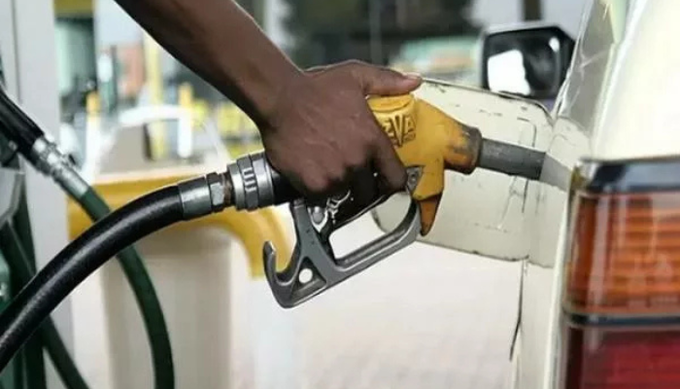
The pump price of Premium Motor Spirit (PMS), commonly known as petrol, has increased to N1,040 per litre in Lagos and N1,080 per litre in Abuja, marking another adjustment in Nigeria’s deregulated fuel market.
The latest price update is linked to changes in supply costs and market dynamics following the full deregulation of the petroleum sector by the Federal Government. The adjustment is expected to take effect across retail outlets operated by the Nigerian National Petroleum Company Limited and other independent fuel marketers.
New Fuel Prices Across Major Cities
According to information obtained from filling stations and industry sources, petrol prices have been revised upward in several locations, with Lagos recording the lowest price among major cities while the Federal Capital Territory posted slightly higher rates.
Under the latest adjustment:
- Lagos: N1,040 per litre
- Abuja: N1,080 per litre
Industry analysts say prices may vary slightly across filling stations depending on transportation costs, distribution margins, and supply availability.
The development reflects the ongoing volatility in Nigeria’s downstream petroleum market since the removal of petrol subsidies.
Impact of Deregulation
The Nigerian fuel market has experienced multiple price adjustments since the government ended the petrol subsidy regime in 2023.
Deregulation allows fuel prices to be determined by market forces such as crude oil prices, foreign exchange rates, import costs, and supply chain expenses.
Officials have argued that the policy is necessary to reduce government expenditure on subsidies and encourage private investment in domestic refining and fuel distribution.
However, the policy has also led to higher fuel prices, which have significantly affected transportation costs, food prices, and overall inflation.
Role of Domestic Refining
Industry observers believe that increased domestic refining capacity could eventually help stabilize petrol prices.
Nigeria recently witnessed the operational ramp-up of the massive Dangote Refinery, which is expected to supply a large portion of the country’s petrol demand once fully optimized.
The refinery, owned by the Dangote Group, is considered one of the largest single-train refineries in the world.
Analysts say that when domestic production fully replaces imports, the country could see greater price stability in the long term.
Pressure on Consumers
The latest price increase is likely to intensify economic pressure on households and businesses already grappling with rising living costs.
Transportation operators, logistics companies, and small business owners are among those most affected by fluctuations in fuel prices.
Many commuters across major Nigerian cities rely heavily on petrol-powered vehicles for daily transport, meaning that any increase in fuel prices often leads to immediate adjustments in transport fares.
Economists warn that sustained increases in petrol prices could also push inflation higher, as transportation costs influence the price of goods and services nationwide.
Market Reaction
Fuel marketers have indicated that the new prices reflect prevailing market conditions, particularly the cost of importing petrol and fluctuations in the foreign exchange market.
Industry stakeholders say the downstream sector continues to adapt to the realities of a fully deregulated system.
Some analysts believe competition among marketers and the expansion of local refining capacity could eventually lead to more competitive pricing.
However, in the short term, consumers may continue to experience price fluctuations as global oil markets and currency exchange rates change.
Government Position
The Federal Government has repeatedly emphasized that deregulation remains necessary to ensure long-term sustainability in the petroleum sector.
Officials argue that removing subsidies allows the government to redirect funds toward infrastructure, education, healthcare, and other critical sectors of the economy.
Authorities have also highlighted plans to expand local refining capacity and improve fuel distribution systems to reduce supply disruptions.
Outlook for Petrol Prices
Energy experts say petrol prices in Nigeria will continue to reflect a combination of global and domestic economic factors.
Key variables include:
- International crude oil prices
- Exchange rate movements
- Importation and logistics costs
- Domestic refining output
As the country continues its transition toward a fully market-driven petroleum sector, price adjustments such as the latest increase are expected to remain part of the evolving landscape.
For now, motorists and businesses in Lagos, Abuja, and other parts of Nigeria will have to adjust to the new pump prices as the downstream petroleum market continues to adapt to post-subsidy realities. ⛽🇳🇬