Abuja, Nigeria – President Bola Ahmed Tinubu on Monday convened a series of high-level security meetings at the Presidential Villa, Abuja, signaling renewed efforts by the Federal Government to address Nigeria’s evolving security challenges.
The President first held a closed-door meeting with the Chief of Defence Staff (CDS), General Christopher Gwabin Musa, and a visiting French military general. Although details of the discussions were not officially disclosed, sources close to the presidency indicated that the engagement formed part of intensified bilateral collaboration aimed at strengthening Nigeria’s security architecture.
Strengthening Nigeria–France Security Cooperation
According to presidency sources who spoke on condition of anonymity, the meeting with the French military delegation focused on enhancing defence cooperation between Nigeria and France, particularly in the areas of intelligence sharing, counterterrorism operations, and capacity building for the Nigerian Armed Forces.
France has historically partnered with Nigeria and other West African nations in combating terrorism and transnational crimes, especially in the Sahel region. The collaboration is considered crucial as Nigeria continues to confront threats posed by insurgent groups such as Boko Haram and the Islamic State West Africa Province (ISWAP), as well as banditry and kidnapping across various parts of the country.
Security analysts note that deeper cooperation with international partners like France could provide Nigeria with advanced military training, surveillance technology, and logistical support necessary to counter increasingly sophisticated security threats.
Emergency Security Meeting with Service Chiefs
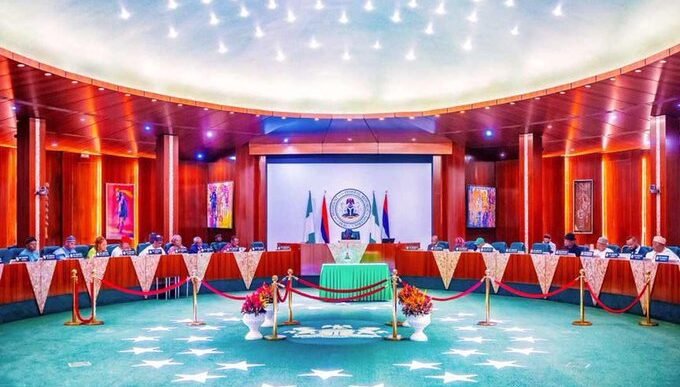
In addition to the earlier engagement, President Tinubu also presided over an emergency security meeting with Nigeria’s top military and intelligence officials. The meeting underscores the administration’s commitment to reassessing and strengthening national security strategies amid persistent violence in several regions of the country.
Key Attendees
Those present at the high-level meeting included:
- Chief of Defence Staff – General Christopher Gwabin Musa
- Chief of Army Staff – Lieutenant General Taoreed Lagbaja
- Chief of Naval Staff – Vice Admiral Emmanuel Ogalla
- Chief of Air Staff – Air Marshal Hasan Abubakar
- Inspector-General of Police – Kayode Egbetokun
- Director-General, Department of State Services (DSS)
- Director-General, National Intelligence Agency (NIA)
The presence of these key security stakeholders highlights the seriousness of the discussions and the government’s determination to adopt a coordinated, multi-agency approach to tackling insecurity.
Focus of the Security Deliberations
While the presidency has yet to release an official statement detailing the outcomes of the meetings, sources familiar with the discussions revealed that the deliberations centered on Nigeria’s pressing security concerns, including:
1. Counterterrorism Efforts
The North-East region continues to experience attacks by Boko Haram and ISWAP militants. The meetings reportedly assessed ongoing military operations and explored strategies to enhance intelligence-driven interventions and regional cooperation.
2. Banditry and Kidnapping
Widespread banditry in the North-West and parts of the North-Central has resulted in mass abductions and loss of lives. The President is said to have sought updates on military and police operations aimed at dismantling these criminal networks.
3. Protection of Critical Infrastructure
Discussions also focused on safeguarding vital national assets such as oil and gas installations, power facilities, and transportation networks, which are often targeted by criminal elements.
4. Intelligence Coordination
Improving synergy among intelligence agencies, including the DSS and NIA, was another key agenda item. Enhanced intelligence sharing is expected to enable proactive responses to emerging threats.
5. International Collaboration
The engagement with the French general underscores Nigeria’s commitment to strengthening international partnerships in the fight against terrorism and organized crime.
Tinubu’s Commitment to National Security
Since assuming office, President Tinubu has consistently emphasized that national security remains a top priority of his administration. The convening of multiple security meetings in a single day reflects a proactive approach to addressing the country’s complex security landscape.
Analysts believe that such high-level engagements are essential for evaluating the effectiveness of current strategies and ensuring that security agencies remain aligned with national objectives.
Nigeria’s Evolving Security Landscape
Nigeria faces a multifaceted security crisis that includes:
- Insurgency in the North-East
- Banditry and kidnapping in the North-West and North-Central
- Oil theft and pipeline vandalism in the Niger Delta
- Communal clashes and farmer-herder conflicts
- Separatist tensions in parts of the South-East
These challenges necessitate a comprehensive and coordinated response involving military, intelligence, law enforcement, and international partners.
The Role of France in Regional Security
France has played a significant role in security operations across the Sahel, including intelligence support and military cooperation with regional governments. Although France has restructured some of its military engagements in recent years, it continues to maintain strategic partnerships with countries like Nigeria.
The meeting between President Tinubu and the French general is therefore seen as part of broader efforts to reinforce regional stability and enhance Nigeria’s capacity to respond to transnational threats.
Expected Outcomes and Next Steps
While no official communiqué has been released, the meetings are expected to yield several outcomes, including:
- Strengthened Nigeria–France defence cooperation
- Enhanced intelligence-sharing mechanisms
- Renewed directives to security agencies
- Improved coordination among military and law enforcement bodies
- Strategic adjustments to ongoing counterterrorism operations
Observers anticipate that the Presidency or the Defence Headquarters may issue further statements outlining specific policy decisions or operational directives arising from the engagements.
Public and Expert Reactions
Security experts have welcomed the President’s proactive engagement with both domestic and international stakeholders. They argue that sustained political leadership and international cooperation are critical to addressing Nigeria’s security challenges effectively.
However, analysts also stress the importance of translating high-level discussions into tangible results on the ground, including improved safety for citizens and the restoration of peace in affected communities.
Conclusion
President Bola Ahmed Tinubu’s closed-door meetings with the Chief of Defence Staff, a visiting French general, and Nigeria’s top security and intelligence officials underscore the administration’s intensified efforts to tackle the nation’s security challenges.
By fostering international collaboration and strengthening inter-agency coordination, the Federal Government aims to enhance its capacity to combat terrorism, banditry, and other forms of criminality. As Nigerians await the outcomes of these deliberations, the meetings signal a renewed commitment to safeguarding national security and ensuring lasting peace and stability.