Nigeria’s long-running electricity sector crisis has taken a fresh turn as the Federal Government and power generation companies (GenCos) sharply disagree over the true scale of outstanding debts in the industry, raising fresh concerns about liquidity, investor confidence, and the stability of electricity supply nationwide.
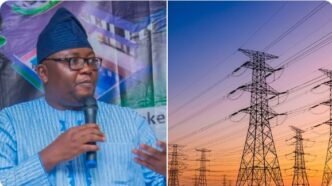
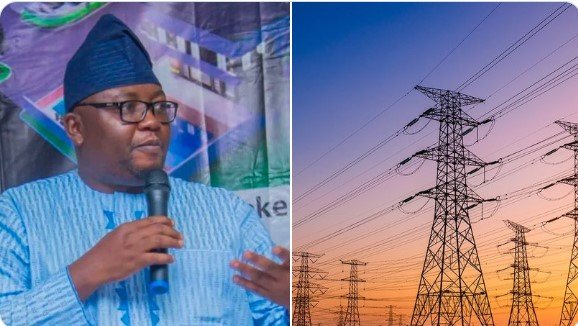
The Minister of Power, Adebayo Adelabu, disclosed that the Federal Government’s liabilities to electricity generation companies may be significantly lower than widely reported, estimating the figure at approximately ₦4 trillion. This contrasts with the ₦6.3 trillion debt figure often cited by industry stakeholders, including generation companies and market operators.
The discrepancy, which amounts to over ₦2 trillion, underscores deep-rooted structural challenges in Nigeria’s electricity market and highlights the urgent need for transparent reconciliation of accounts between government agencies and private sector players.
Disputed Figures Raise Concerns
Speaking on the issue, Adelabu emphasized that the ₦4 trillion estimate reflects ongoing reconciliation efforts by the government, suggesting that previously circulated figures may include disputed claims, legacy obligations, and components that require verification.
According to him, the government is committed to ensuring that only validated debts are recognized and settled, noting that the reconciliation process is critical to restoring financial discipline within the power sector.
However, generation companies have maintained that the higher ₦6.3 trillion figure accurately represents accumulated unpaid invoices, subsidy shortfalls, and other financial obligations owed to them for electricity generated and supplied to the national grid over several years.
Industry sources argue that the lower figure presented by the government may exclude significant cost components, including foreign exchange losses, capacity payments, and historical debts that continue to burden the sector.
Breakdown of the Debt Dispute
At the heart of the disagreement lies the complexity of Nigeria’s electricity market structure, which involves multiple stakeholders, including generation companies (GenCos), distribution companies (DisCos), the Nigerian Bulk Electricity Trading (NBET) Plc, and regulatory bodies.
Key components contributing to the disputed debt include:
1. Unpaid Energy Invoices
GenCos supply electricity to the grid but are often not fully paid for the energy generated. Payment shortfalls have accumulated over time due to inefficiencies in revenue collection by distribution companies and regulated tariffs that do not fully reflect market costs.
2. Tariff Shortfalls and Subsidies
The Federal Government has historically intervened by promising subsidy payments to cover the gap between cost-reflective tariffs and what consumers actually pay. However, delays and inconsistencies in subsidy disbursements have led to mounting liabilities.
3. Foreign Exchange Losses
A significant portion of generation costs—such as gas supply and maintenance of imported equipment—is denominated in foreign currency. Fluctuations in exchange rates have increased operational costs, which GenCos argue should be reflected in the debt calculations.
4. Legacy Debts
Some obligations date back to earlier phases of the power sector reform, including transitional arrangements following the privatization of the electricity industry. These legacy debts remain a contentious issue in reconciliation discussions.
Implications for Power Supply
The unresolved debt dispute poses serious risks to Nigeria’s already fragile power supply system. Generation companies have repeatedly warned that persistent underpayment threatens their ability to sustain operations.
Many GenCos rely on steady cash flow to procure gas, maintain infrastructure, and service loans. Without adequate payments, they may be forced to reduce output or shut down generating units, leading to lower electricity generation nationwide.
Nigeria currently struggles with inconsistent power supply, with generation levels fluctuating due to a combination of technical constraints, gas shortages, and financial challenges within the sector.
Experts warn that failure to resolve the debt issue could exacerbate these challenges, potentially leading to more frequent outages and increased reliance on alternative energy sources such as diesel and petrol generators.
Investor Confidence at Stake
Beyond immediate operational concerns, the dispute over debt figures could undermine investor confidence in Nigeria’s power sector.
The electricity industry was privatized in 2013 with the expectation that private sector participation would drive efficiency and attract investment. However, persistent liquidity issues and regulatory uncertainties have discouraged both local and foreign investors.
A lack of clarity on the actual debt burden raises questions about the financial viability of the sector and the government’s commitment to honoring its obligations.
Energy analysts note that resolving the dispute transparently and promptly is essential to restoring credibility and attracting the capital needed to expand generation capacity and modernize infrastructure.
Government’s Position and Next Steps
The Federal Government has reiterated its commitment to addressing the liquidity crisis in the power sector, with Adelabu emphasizing the importance of accurate data in determining the true extent of liabilities.
He indicated that ongoing reconciliation efforts involve detailed verification of claims submitted by generation companies, with the aim of arriving at a mutually agreed figure.
Possible measures under consideration include structured payment plans, issuance of government-backed financial instruments, and reforms aimed at improving revenue collection across the electricity value chain.
The government has also signaled its intention to gradually move toward cost-reflective tariffs, a move that could reduce reliance on subsidies but may face resistance from consumers already burdened by high living costs.
GenCos Demand Urgent Resolution
Generation companies, on their part, have called for swift action to settle outstanding debts, warning that prolonged delays could lead to a collapse of the sector.
Industry representatives argue that without immediate financial intervention, GenCos will continue to face difficulties in meeting operational expenses, servicing debts, and maintaining generation capacity.
They have also urged the government to ensure that future obligations are met promptly to prevent further accumulation of debt.
Broader Economic Impact
The power sector plays a critical role in Nigeria’s economy, affecting industries ranging from manufacturing to services. Inadequate electricity supply increases production costs, reduces competitiveness, and limits economic growth.
Businesses often rely on self-generation using diesel or petrol generators, significantly increasing operational expenses. This, in turn, is passed on to consumers in the form of higher prices for goods and services.
Resolving the financial challenges in the electricity market is therefore essential not only for improving power supply but also for supporting broader economic development.
Need for Structural Reforms
Analysts agree that while reconciling the debt is a necessary step, it is not sufficient to address the underlying issues in Nigeria’s electricity sector.
Long-term solutions will require comprehensive reforms, including:
- Strengthening regulatory oversight
- Improving tariff structures to reflect actual costs
- Enhancing efficiency in revenue collection by distribution companies
- Encouraging investment in transmission and distribution infrastructure
- Diversifying energy sources, including renewable energy
Without these reforms, the sector risks recurring cycles of debt accumulation and financial instability.
Conclusion
The disagreement between the Federal Government and power generation companies over the true scale of debt in Nigeria’s electricity market highlights the deep-seated challenges facing the sector.
While the Minister of Power has pegged the government’s liabilities at around ₦4 trillion, the higher ₦6.3 trillion figure cited by industry players underscores the complexity of the reconciliation process.
As both sides work toward a resolution, the outcome will have significant implications for power supply, investor confidence, and Nigeria’s economic future.
Ultimately, achieving a transparent and credible settlement—alongside meaningful structural reforms—will be crucial to putting the country’s electricity sector on a sustainable path.