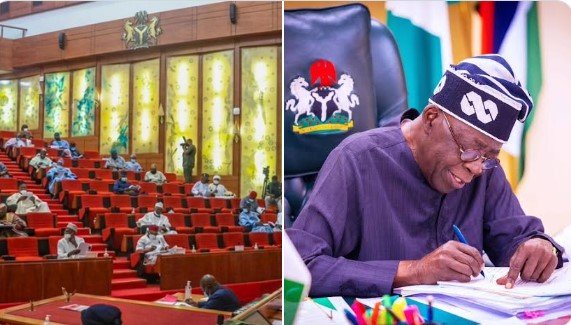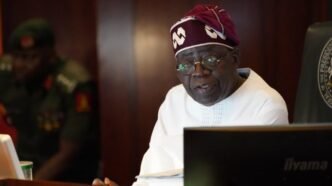

President Bola Ahmed Tinubu has assured Nigerians that his administration is committed to improving electricity supply across the country, acknowledging widespread frustration over persistent power shortages and the broader challenges facing the nation’s electricity sector.
Speaking in a recent address, the President stated: “Many of you lament the problem of electricity; yes, we are going to improve on it. Electricity would become better.”
The remarks come at a critical time for Nigeria’s power sector, which continues to grapple with structural inefficiencies, financial constraints, and infrastructure deficits that have limited its ability to deliver reliable and consistent electricity to homes and businesses.
A Persistent National Challenge
Electricity supply has long remained one of Nigeria’s most pressing developmental challenges. Despite significant reforms, including the privatization of the power sector in 2013, millions of Nigerians still experience erratic power supply, frequent outages, and voltage fluctuations.
Current national grid generation typically fluctuates well below the country’s estimated demand, which experts say runs into tens of thousands of megawatts. In reality, available generation often ranges between 3,000 and 5,000 megawatts—far short of what is required to support a growing population and expanding economy.
As a result, households and businesses rely heavily on alternative energy sources such as petrol and diesel generators, contributing to higher operating costs, environmental pollution, and increased inflationary pressures.
President Tinubu’s statement acknowledges this long-standing issue and signals renewed government focus on addressing it.
Structural Issues in the Power Sector
Nigeria’s electricity value chain is made up of three key segments: generation (GenCos), transmission, and distribution (DisCos). Challenges in any of these segments can affect overall supply.
One of the most pressing issues is the sector’s liquidity crisis. Generation companies often do not receive full payment for the electricity they produce due to inefficiencies in revenue collection and tariff structures that do not fully reflect production costs.
This situation has led to mounting debts within the sector, with disputes over the exact figures owed to generation companies. While government officials have suggested lower liability figures, industry stakeholders argue that the debts are significantly higher, reflecting years of underpayment and subsidy shortfalls.
The transmission network also faces limitations, with aging infrastructure and capacity constraints preventing efficient evacuation of generated power. Similarly, distribution companies struggle with technical and commercial losses, including electricity theft and poor metering systems.
Government Reform Agenda
President Bola Ahmed Tinubu has consistently emphasized the importance of reforming the power sector as part of his broader economic agenda.
Key areas of focus include:
1. Tariff Reforms
Efforts are underway to gradually move toward cost-reflective tariffs, ensuring that electricity prices better reflect the actual cost of production and distribution. This is expected to reduce reliance on government subsidies and improve cash flow within the sector.
2. Investment in Infrastructure
The government aims to attract both local and foreign investment into the power sector, particularly in generation and transmission infrastructure. Public-private partnerships are seen as a critical tool in achieving this goal.
3. Decentralization of Power
Recent constitutional amendments have allowed states to play a more active role in electricity generation, transmission, and distribution. This is expected to reduce pressure on the national grid and encourage localized solutions.
4. Renewable Energy Development
There is increasing emphasis on diversifying Nigeria’s energy mix by incorporating renewable sources such as solar and wind power, particularly in rural and underserved areas.
Economic Implications
Reliable electricity is widely recognized as a cornerstone of economic growth and development. Improved power supply has the potential to significantly impact Nigeria’s economy in several ways.
For businesses, stable electricity reduces dependence on expensive alternative energy sources, lowering production costs and improving competitiveness. For households, it enhances quality of life by enabling access to basic amenities and supporting small-scale economic activities.
In the industrial sector, consistent power supply is essential for manufacturing, which plays a key role in job creation and economic diversification.
Analysts note that achieving meaningful improvements in electricity supply could boost Nigeria’s gross domestic product (GDP) and attract greater foreign direct investment.
Public Sentiment and Expectations
While the President’s assurance has been welcomed in some quarters, many Nigerians remain cautious, given the history of unmet promises in the power sector.
Successive administrations have made similar commitments, yet progress has often been slow due to the complexity of the challenges involved.
Public expectations are therefore high, with citizens looking for tangible improvements rather than policy announcements. Key indicators of progress will include increased hours of electricity supply, reduced outages, and improved service delivery by distribution companies.
The Role of Policy Consistency
Experts emphasize that sustained progress in the power sector will depend on consistent and transparent policy implementation.
Frequent changes in regulatory frameworks, delays in decision-making, and lack of coordination among stakeholders have historically hindered reforms.
To achieve lasting results, the government will need to ensure:
- Clear and stable regulatory policies
- Timely payment of obligations within the sector
- Effective oversight of distribution companies
- Collaboration with private sector stakeholders
Addressing the Liquidity Crisis
One of the most urgent challenges facing the power sector is its financial sustainability. Without adequate funding, generation companies cannot maintain operations, invest in infrastructure, or expand capacity.
The government is exploring various options to address this issue, including restructuring existing debts, issuing financial instruments, and improving revenue collection mechanisms.
Resolving the liquidity crisis is critical to ensuring that all players in the electricity value chain can operate effectively.
Opportunities in Decentralized Power
The decentralization of electricity generation presents new opportunities for states and private investors to develop independent power projects.
Several states have already begun exploring initiatives aimed at generating and distributing power within their jurisdictions, reducing reliance on the national grid.
This approach could lead to more reliable electricity supply in certain regions and foster competition within the sector.
Renewable Energy as a Long-Term Solution
Nigeria’s abundant renewable energy resources offer significant potential for addressing electricity shortages, particularly in rural areas where grid expansion may not be economically viable.
Solar power, in particular, has gained traction as a viable alternative, with increasing adoption by households and businesses.
Government policies aimed at supporting renewable energy development could play a key role in bridging the electricity gap and promoting sustainable development.
The Road Ahead
President Tinubu’s statement that electricity “would become better” reflects a recognition of the challenges facing the sector and a commitment to addressing them.
However, translating this assurance into measurable outcomes will require coordinated efforts across multiple fronts, including policy reform, infrastructure investment, and stakeholder collaboration.
The complexity of Nigeria’s power sector means that progress may be gradual, but sustained commitment and effective implementation could yield significant improvements over time.
Conclusion
The assurance by Bola Ahmed Tinubu that electricity supply will improve offers a message of hope to millions of Nigerians who continue to face daily power challenges.
While the obstacles are substantial, the potential benefits of a stable and reliable electricity system are equally significant.
As the government advances its reform agenda, the focus will remain on delivering tangible results that improve the lives of citizens and support economic growth.
For now, Nigerians will be watching closely, with expectations that this latest promise will mark a turning point in the country’s long struggle to achieve dependable electricity supply.