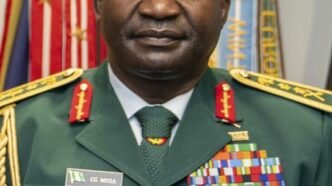
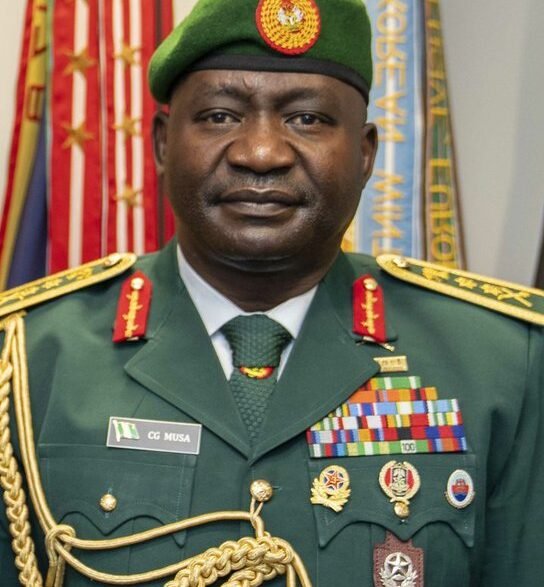
Abuja, Nigeria – Nigeria’s Chief of Defence Staff, General Christopher Musa, has issued a stern warning to individuals and groups providing support to terrorist organizations, declaring that such supporters will be treated as terrorists under the law.
The statement underscores the Federal Government’s intensified efforts to combat terrorism, insurgency, and other forms of violent extremism threatening national security. General Musa emphasized that aiding or abetting terrorist activities—whether through financing, intelligence sharing, logistics, or propaganda—constitutes a serious criminal offence and will attract the full weight of Nigeria’s counterterrorism laws.
Strengthening Nigeria’s Counterterrorism Stance
Speaking during a recent security engagement, General Musa reiterated the military’s commitment to dismantling terrorist networks and their support systems. According to him, terrorism cannot thrive without local collaborators who provide shelter, information, funding, and other forms of assistance.
“Supporters of terrorists will be treated as terrorists. Anyone found aiding or abetting these criminal elements will face the consequences of their actions,” he stated.
The Defence Chief noted that the Nigerian Armed Forces, in collaboration with other security agencies, are intensifying intelligence-driven operations aimed at identifying and prosecuting individuals who facilitate terrorist activities.
Legal Framework Backing the Warning
Nigeria’s counterterrorism operations are guided by the Terrorism (Prevention and Prohibition) Act, 2022, which criminalizes all forms of support to terrorist organizations. The law provides stringent penalties, including long-term imprisonment, for individuals involved in:
- Financing terrorism
- Providing logistical or material support
- Harbouring or concealing terrorists
- Recruiting members for terrorist groups
- Spreading extremist propaganda
Under the Act, individuals convicted of supporting terrorism may face life imprisonment, asset forfeiture, and other severe sanctions. General Musa emphasized that the military will work closely with law enforcement and judicial authorities to ensure that offenders are brought to justice.
Ongoing Security Challenges
Nigeria continues to grapple with multiple security threats, including the insurgency by Boko Haram and its splinter faction, the Islamic State West Africa Province (ISWAP), particularly in the North-East. Additionally, banditry, kidnapping, and communal violence in the North-West and North-Central regions have further complicated the country’s security landscape.
These groups rely heavily on networks of informants and collaborators within local communities. Security experts believe that dismantling these support systems is crucial to achieving lasting peace and stability.
General Musa highlighted that the military has recorded significant successes in recent operations, including the neutralization of terrorist commanders, rescue of kidnapped victims, and recovery of arms and ammunition. However, he stressed that sustained public cooperation remains essential to completely eradicate terrorism.
Call for Public Cooperation
The Defence Chief urged Nigerians to support the armed forces and other security agencies by providing timely and credible intelligence. He assured citizens that mechanisms are in place to protect the identity of informants.
“Security is a collective responsibility,” he said. “We encourage members of the public to report suspicious activities. Together, we can defeat these threats and restore peace to our communities.”
Community engagement initiatives, including civil-military cooperation programmes, have been strengthened to build trust between security forces and local populations. These efforts aim to encourage information sharing and foster resilience against extremist influence.
Human Rights and Rule of Law
While reaffirming the military’s determination to combat terrorism, General Musa emphasized that all operations will be conducted in accordance with international humanitarian law and respect for human rights. He noted that adherence to legal standards is essential for maintaining public trust and legitimacy.
Analysts have pointed out that balancing robust security measures with the protection of civil liberties is critical to preventing grievances that could fuel further radicalization. The Defence Headquarters has reiterated its commitment to professionalism and accountability in all military engagements.
Government’s Broader Counterterrorism Strategy
The warning aligns with the Federal Government’s broader counterterrorism strategy, which combines military action with non-kinetic measures such as deradicalization, rehabilitation, and socio-economic development.
Key components of this strategy include:
- Enhanced Intelligence Gathering: Leveraging technology and inter-agency collaboration to track terrorist networks.
- Border Security: Strengthening surveillance to prevent cross-border movement of fighters and weapons.
- Counter-Radicalization Programs: Initiatives like Operation Safe Corridor aimed at rehabilitating repentant insurgents.
- International Cooperation: Partnerships with regional and global allies to combat transnational terrorism.
- Community Engagement: Empowering local communities to resist extremist ideologies.
Regional and International Implications
Nigeria’s firm stance against terrorism supporters aligns with global best practices in counterterrorism. International bodies such as the United Nations and the African Union have consistently emphasized the importance of targeting not only perpetrators but also the networks that sustain them.
By reinforcing legal and operational measures against collaborators, Nigeria aims to disrupt the financial and logistical lifelines of terrorist organizations, thereby weakening their capacity to operate.
Public Reactions and Expert Opinions
Security analysts and civil society organizations have largely welcomed General Musa’s statement, describing it as a necessary step in strengthening deterrence. However, some stakeholders have called for clear guidelines to ensure that enforcement does not lead to wrongful accusations or human rights violations.
Experts stress the importance of due process, transparency, and community trust in implementing such policies effectively. They argue that while a tough stance is essential, it must be complemented by socio-economic interventions addressing the root causes of extremism, including poverty, unemployment, and lack of education.
Conclusion
General Christopher Musa’s declaration that supporters of terrorists will be treated as terrorists signals Nigeria’s intensified resolve to eradicate terrorism and its enabling networks. Backed by robust legal frameworks and enhanced military operations, the policy aims to dismantle the support structures that allow extremist groups to thrive.
As Nigeria continues its fight against insurgency and violent extremism, sustained collaboration between the government, security agencies, and the public will be crucial in achieving lasting peace and stability. The Defence Headquarters remains confident that with collective effort and unwavering commitment, the country can overcome its security challenges and safeguard its future.