The Supreme Court on Thursday delivered two major judgments that significantly altered the internal leadership crises within the Peoples Democratic Party (PDP) and the African Democratic Congress (ADC), sending fresh political shockwaves across Nigeria’s opposition landscape.
In one of the rulings, the apex court invalidated the PDP’s controversial Ibadan convention, a decision that has intensified uncertainty over the party’s internal structure and future leadership direction. In a separate judgment, the court restored the leadership structure of the ADC headed by former Senate President David Mark, effectively settling a prolonged dispute over control of the party.
The judgments triggered immediate political reactions, with top PDP leaders swiftly convening an emergency closed-door meeting in Abuja to address the implications of the court’s decision and determine the party’s next steps.
Supreme Court Nullifies PDP’s Ibadan Convention
The Supreme Court’s ruling against the Peoples Democratic Party centered on the controversial Ibadan convention, which had remained a subject of intense legal and political dispute within the party.
The convention, held in Ibadan, Oyo State, had produced key decisions and leadership arrangements that were challenged by aggrieved party stakeholders who argued that due process and constitutional procedures were not properly followed.
By invalidating the convention, the Supreme Court effectively nullified the outcomes arising from that gathering, reopening unresolved leadership tensions and raising fresh questions about the legitimacy of certain internal party decisions.
Political analysts say the ruling could significantly affect the PDP’s preparations ahead of the 2027 general elections, especially as the party seeks stability after internal divisions that weakened its performance in previous electoral contests.
ADC Leadership Restored Under David Mark
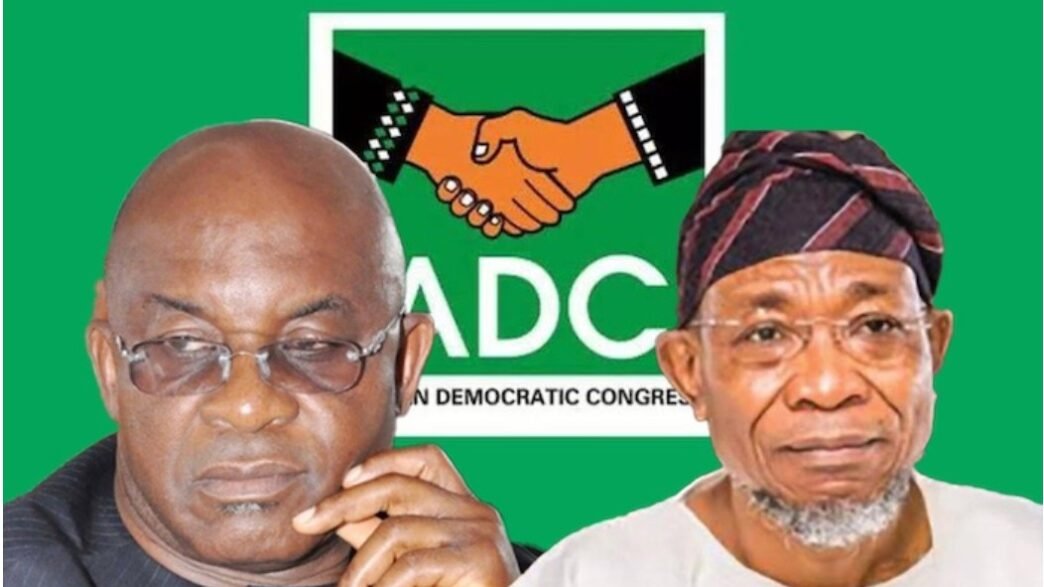
In the second major judgment, the Supreme Court restored the leadership structure of the African Democratic Congress under former Senate President David Mark.
The ADC had been facing its own internal leadership conflict over the control of the party structure and recognition of national officers.
The ruling in favor of the David Mark-led structure is seen as a major political victory for the former Senate President, who has remained a respected figure within Nigeria’s opposition politics.
Observers say the judgment could strengthen the ADC’s efforts to reposition itself as a stronger political force ahead of future elections, particularly at a time when smaller opposition parties are seeking relevance in an increasingly competitive political environment.
The restoration of the ADC leadership also provides clarity for party members who had been divided by the prolonged dispute.
Emergency PDP Meeting Held in Abuja
Following the Supreme Court judgment, key leaders of the PDP moved quickly to contain the political fallout by holding an emergency closed-door meeting in Abuja.
Among those present were Oyo State Governor Seyi Makinde, Bauchi State Governor Bala Mohammed, members of the party’s Board of Trustees, and members of the National Executive Committee.
The high-level meeting was held at the Bauchi House in Asokoro, Abuja, and remained ongoing as of the time the report was filed Thursday night.
Sources within the party indicated that the discussions focused on the legal implications of the judgment, the possible reorganization of the party structure, and strategies to prevent further fragmentation within the opposition party.
The meeting also reportedly examined how the party could move forward without deepening existing divisions among influential party blocs.
PDP’s Ongoing Internal Crisis
The Supreme Court ruling comes at a time when the PDP is already battling significant internal challenges involving leadership disagreements, zoning controversies, and questions surrounding its national direction.
Since the 2023 general elections, the party has struggled to maintain unity, with divisions emerging between governors, former presidential aspirants, and influential party stakeholders.
The Ibadan convention had been viewed by some leaders as an attempt to stabilize the party structure, while others saw it as an unconstitutional move designed to favor specific political interests.
The court’s decision now places the PDP under renewed pressure to rebuild trust and establish a legally acceptable framework for internal administration.
Political observers believe how the party handles the aftermath of this judgment may determine its competitiveness in 2027.
Implications for the Opposition Landscape
The twin judgments are expected to have far-reaching consequences beyond the two parties directly involved.
For the PDP, the ruling may delay strategic planning and weaken its ability to present a united opposition front against the ruling All Progressives Congress ahead of the next electoral cycle.
For the ADC, the restored leadership under David Mark may provide an opportunity to attract dissatisfied politicians from larger parties and reposition itself as a viable alternative platform.
Some analysts believe the ADC could benefit from growing frustration among opposition figures who are unhappy with the instability within the PDP.
The judgments also reinforce the Supreme Court’s growing role in determining the future of party leadership disputes, especially where internal political processes become heavily contested.
Reactions from Political Stakeholders
Although official statements from the parties were still expected after the judgments, early reactions from political observers suggested that both rulings would significantly shape coalition talks and alliance-building ahead of 2027.
Supporters of the ADC welcomed the restoration of David Mark’s leadership as a move that would bring discipline and credibility to the party.
Within the PDP, however, the mood remained tense as stakeholders weighed the legal and political consequences of losing the Ibadan convention structure.
Some party members reportedly called for immediate reconciliation efforts, while others argued that the judgment should be used as an opportunity to fully reset the party’s leadership system.
The governors’ emergency meeting was therefore seen as a critical step in preventing a deeper institutional crisis.
Supreme Court’s Growing Influence in Party Affairs
The latest decisions once again highlight the judiciary’s central role in Nigeria’s democratic and party systems.
As internal party disputes increasingly end up in court, judicial rulings continue to shape political alignments, leadership legitimacy, and electoral preparations.
Legal experts note that while party autonomy is important, compliance with constitutional procedures and internal party laws remains essential to avoid destabilizing legal battles.
The Supreme Court’s intervention in both the PDP and ADC disputes reinforces the message that political parties must strictly follow their constitutions if they hope to avoid future reversals.
Conclusion
The Supreme Court’s decisions to invalidate the PDP’s Ibadan convention and restore the ADC leadership under David Mark mark a major turning point for Nigeria’s opposition politics.
For the PDP, the ruling deepens the urgency of internal reconciliation and leadership restructuring as it prepares for future elections.
For the ADC, the judgment offers renewed legitimacy and a chance to strengthen its national political relevance.
As governors, party elders, and executives continue emergency consultations in Abuja, attention now shifts to how both parties will respond and whether the rulings will lead to stability—or trigger even deeper political realignments ahead of 2027.