The Dangote Petroleum Refinery has reduced its petrol gantry loading price from N1,275 per litre to N1,250 per litre, offering slight relief to marketers and consumers amid persistent concerns over rising fuel costs in Nigeria.
The latest price adjustment represents a N25 reduction in the ex-depot price of Premium Motor Spirit, commonly known as petrol, loaded by marketers from the refinery.
Industry stakeholders say the development could influence pump prices across several parts of the country if independent marketers and retail operators pass the reduction on to consumers.
The adjustment comes at a time when Nigerians continue to grapple with the high cost of transportation, food inflation, and broader economic hardship following the removal of fuel subsidy and the deregulation of the downstream petroleum sector.
Refinery Continues to Shape Nigeria’s Fuel Market
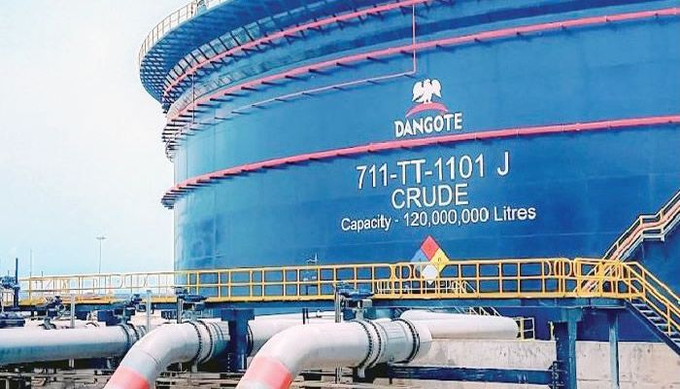
The Dangote refinery, regarded as Africa’s largest single-train refinery, has increasingly become a major player in Nigeria’s downstream petroleum market since commencing domestic fuel supply operations.
Located in the Lekki Free Trade Zone in Lagos State, the refinery has a production capacity of 650,000 barrels per day and was established to reduce Nigeria’s dependence on imported petroleum products.
Since entering the market, pricing decisions by the refinery have had significant effects on petrol distribution patterns and market competition across the country.
The latest reduction in gantry price is expected to affect the landing cost and wholesale supply chain for marketers purchasing directly from the refinery.
Energy analysts say even modest reductions in ex-depot prices can contribute to easing pressure on fuel retail prices, especially in major cities where supply logistics are relatively stable.
However, they caution that the final pump price consumers pay will still depend on transportation costs, distribution margins, foreign exchange rates, and operational expenses incurred by marketers.
Marketers React to Price Reduction
Oil marketers and industry operators have welcomed the reduction, describing it as a positive signal for the downstream sector.
Some marketers said the move may improve competition in the fuel market and create room for modest reductions in retail prices at filling stations.
Independent petroleum marketers have repeatedly complained about unstable pricing and fluctuating foreign exchange rates, which significantly affect their operational costs.
According to stakeholders, the refinery’s price review may also encourage more marketers to source products locally rather than rely heavily on imported petrol.
Industry operators noted that local refining has the potential to stabilise supply, reduce shipping costs, and improve energy security in the long term.
However, some marketers stressed that broader market conditions, especially exchange rate volatility and logistics expenses, remain key factors affecting fuel pricing nationwide.
Nigerians Await Possible Pump Price Reduction
The reduction in gantry price has sparked expectations among Nigerians who hope filling stations will lower pump prices in response.
Motorists and transport operators across the country have continued to express concern over rising fuel prices, which have increased transportation fares and contributed to inflation in goods and services.
Commercial drivers in several states have repeatedly adjusted transport fares upward in recent months due to high petrol costs.
Many Nigerians argue that any reduction in ex-depot price should translate into lower retail prices to ease economic pressure on households and businesses.
Economic analysts say fuel prices remain one of the most influential components of inflation in Nigeria because transportation costs directly affect food distribution and commercial activities.
The latest development may therefore provide limited but important relief if marketers adjust retail prices downward.
Fuel Pricing Still Tied to Market Forces
Despite the reduction announced by the refinery, petroleum pricing in Nigeria remains largely influenced by deregulation and market forces.
Since the removal of fuel subsidy, petrol prices have been determined by factors such as crude oil prices, exchange rates, shipping costs, and supply chain expenses.
The depreciation of the naira against major foreign currencies has continued to increase the cost of imported petroleum products and operational inputs in the energy sector.
Experts say local refining alone may not automatically lead to significantly cheaper petrol unless other economic variables improve.
They also noted that global crude oil prices continue to affect local fuel pricing because crude remains the primary feedstock for refining operations.
Nonetheless, many industry observers view the Dangote refinery as a critical step toward reducing Nigeria’s dependence on fuel imports and strengthening domestic refining capacity.
Impact on Inflation and Transportation
Fuel price movements remain closely tied to inflation trends in Nigeria.
Any reduction in petrol prices, even marginal, can potentially affect transportation costs, logistics expenses, and the prices of goods in local markets.
Transport unions and business owners have repeatedly cited fuel expenses as one of the major challenges affecting operations.
Small businesses relying on generators due to unstable electricity supply are also heavily impacted by changes in petroleum prices.
Economists believe sustained reductions in fuel prices could help moderate inflationary pressure over time if supported by stable exchange rates and improved energy supply.
However, they warned that temporary price adjustments may not produce lasting relief unless broader macroeconomic conditions improve.
Dangote Refinery’s Growing Influence
The Dangote refinery has continued to attract national and international attention due to its expected role in reshaping Nigeria’s oil and gas industry.
For decades, Nigeria depended heavily on imported refined petroleum products despite being one of Africa’s leading crude oil producers.
The refinery was designed to address local refining shortages, reduce import dependence, conserve foreign exchange, and improve domestic supply stability.
Industry experts believe the refinery’s operations could eventually increase competition in the downstream sector and influence pricing trends more significantly over time.
The Federal Government has also repeatedly expressed optimism that increased local refining capacity will strengthen energy security and reduce pressure on foreign reserves.
Despite ongoing debates over pricing and supply structures, the refinery remains one of the largest industrial investments in Nigeria’s history.
Consumers Hope for Further Relief
Although the N25 reduction in gantry price may appear modest, many Nigerians see it as a positive development amid widespread economic hardship.
Citizens across the country continue to struggle with rising food prices, transportation costs, electricity tariffs, and inflation.
Workers, traders, and transport operators have consistently called for measures that would reduce the cost of living and improve purchasing power.
Some economic observers believe that consistent reductions in fuel-related costs could gradually ease pressure on households and businesses.
However, they emphasised that sustainable relief would require broader economic reforms, stable monetary policies, and improved domestic production across sectors.
For now, marketers and consumers alike are closely monitoring whether the latest reduction by the Dangote refinery will translate into lower pump prices at filling stations nationwide.