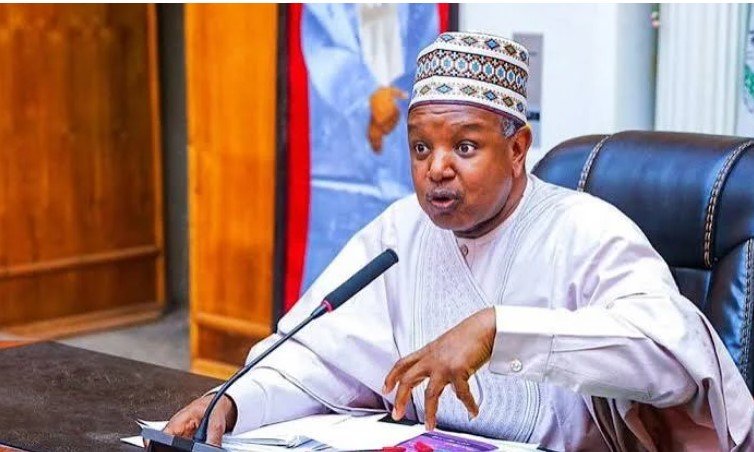
The Minister of Budget and Economic Planning, Senator Abubakar Atiku Bagudu, has said Nigeria has one of the smallest national budgets among the world’s 10 most populous countries, warning that the country’s limited fiscal capacity is constraining its ability to meet growing development needs.
Bagudu made the disclosure on Monday, September 28, 2026, in Abuja, while speaking at the 2026 Capacity-Building Workshop of the Senate Press Corps.
The workshop, organised by the Senate Press Corps, was held under the theme, “Leveraging Legislative Oversight and Media Collaboration to Safeguard the National Budget from Unlawful Insertion.”
The minister used the occasion to call for a broader national conversation on revenue mobilisation, arguing that Nigeria needs to expand its fiscal space if it is to finance infrastructure, public services and other development priorities on the scale required by its population.
According to Bagudu, the central issue confronting Nigeria’s budget process is not only how available funds are shared but also whether the country generates enough revenue to finance its development ambitions.
He said the national budget debate should therefore begin with a fundamental question: “What is the national budget, and what should it be?”
Bagudu’s comments come amid continuing discussions about Nigeria’s revenue performance, public expenditure, budget implementation and the size of the country’s annual appropriation compared with its development requirements.
Nigeria’s 2026 Budget
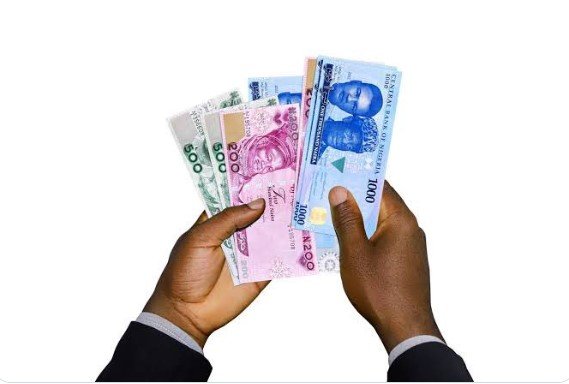
Nigeria’s 2026 budget is N68.32 trillion, according to reporting from the workshop. Tribune reported that the figure, equivalent to about $49 billion, is the highest in recent years.
Despite the nominal increase in the size of the national budget, Bagudu argued that Nigeria’s overall fiscal capacity remains relatively limited when measured against the size of its population and the scale of its development needs.
The minister said Nigeria’s low revenue-to-GDP ratio has restricted the government’s ability to spend at the level required to provide infrastructure and public services for a large population.
He consequently stressed the importance of increasing the country’s economic and revenue base rather than focusing exclusively on expenditure.
Reports from the workshop said Bagudu compared Nigeria’s budget size with those of other highly populated countries, including Pakistan and Brazil.
The minister noted that Pakistan operates a budget of about $67 billion, while Brazil provides a useful comparison because of its population size and federal structure.
The comparisons were presented in the context of demonstrating the scale of Nigeria’s fiscal limitations rather than simply comparing headline budget figures.
Bagudu Calls for Revenue Mobilisation
A major part of Bagudu’s presentation was his call for a wider national discussion on how Nigeria can generate more revenue.
The minister maintained that the country cannot sustainably meet its development requirements without expanding the resources available to government.
Nigeria’s fiscal challenge has remained closely linked to its revenue performance, with government expected to finance obligations including salaries, security, infrastructure, social services and debt servicing from limited public resources.
Bagudu therefore called for Nigerians to look beyond the size of the expenditure budget and examine the revenue base supporting it.
The minister’s argument was that a larger population and greater development needs require a stronger fiscal foundation capable of supporting increased public investment.
He also argued that the national conversation around the budget should consider what government can realistically finance and how revenue can be increased to support long-term development.
‘What Is the National Budget?’
Bagudu said Nigeria’s budget debate must start with an examination of the purpose and meaning of the national budget.
He asked: “What is the national budget, and what should it be?”
The question, according to the minister’s presentation, goes beyond the annual appropriation figure and raises broader issues about government responsibilities, available resources and national priorities.
He said the public debate should take into account the full range of government expenditure rather than concentrating exclusively on capital projects.
Bagudu also cautioned against assessing government spending only through the amount allocated to infrastructure and other capital projects.
He said recurrent expenditure, salaries, security and debt servicing are also essential components of government operations and should be considered when evaluating the national budget.
Minister Addresses Budget Insertions
The minister also addressed concerns surrounding alleged unlawful insertions into Nigeria’s annual budgets.
The Senate Press Corps workshop was specifically organised to examine how legislative oversight and media scrutiny can help protect the budget from unlawful or questionable insertions.
Bagudu urged journalists and other stakeholders to investigate suspicious budget provisions, but he cautioned against automatically describing unfamiliar allocations as unlawful insertions without establishing the facts.
According to Tribune, he cited examples of projects that could initially appear unusual but were linked to legitimate community needs after investigation.
One example involved a provision for freezers in the 2024 budget. Bagudu explained that the allocation was subsequently found to be connected to a fishing community that required facilities to preserve its catch.
He also referred to water projects in communities where residents still travel considerable distances to access water.
The minister’s position was that budget scrutiny should involve verification of the actual needs behind an allocation before conclusions are reached.
At the same time, he acknowledged the need for vigilance by the media and legislature because mistakes can occur in the budget preparation, transmission and implementation processes.
He was quoted as saying that “human processes are susceptible to errors.”
Media, Legislature and Budget Accountability
The workshop brought together journalists covering the National Assembly, lawmakers, budget experts, civil society representatives and other stakeholders involved in public finance and legislative oversight.
The Senate Press Corps said the workshop was designed to strengthen journalists’ understanding of the budget process and improve their ability to scrutinise public expenditure.
The organisers said stronger cooperation between the media and legislature was necessary to improve transparency and accountability in the management of public funds.
Senate Press Corps Chairman, Taiye Odewale, said effective legislative oversight and responsible journalism were important tools for identifying questionable practices in the budget process.
He said the media should use its investigative capacity alongside the constitutional oversight responsibilities of the National Assembly to examine and expose irregularities.
The workshop therefore focused not only on alleged budget insertions but also on the broader responsibilities of lawmakers, journalists and other stakeholders in ensuring that the national budget reflects approved priorities.
2026 Budget Controversy
The event took place against the background of continuing public interest in Nigeria’s budget process and concerns over the way budget provisions are proposed, scrutinised, amended and implemented.
Odewale referenced controversy surrounding the alleged inclusion of the Presidential Foreign Intervention Promotion Council in the 2026 budget. The body was subsequently described as non-existent, and the matter became part of the wider debate over budget scrutiny and legislative oversight.
The Senate Press Corps chairman said the controversy underscored the importance of stronger scrutiny of the appropriation process.
He called for mechanisms capable of preventing the recurrence of questionable or unlawful insertions into annual budgets.
The issue has also increased attention on the role of journalists in examining budget documents and seeking clarification on allocations that appear unclear or inconsistent with established government programmes.
Budget Size and Nigeria’s Development Needs
Bagudu’s remarks highlight the gap between the resources available to the Nigerian government and the scale of demands placed on public finances.
Nigeria has a large population and significant requirements in areas including roads, electricity, healthcare, education, water supply, security and other public services.
The minister argued that the country’s relatively small fiscal capacity makes it difficult for government to finance these priorities at the scale citizens expect.
He said the country’s economic base must therefore expand if Nigeria is to increase public spending sustainably.
Rather than treating the annual budget as an isolated document, Bagudu called for a broader understanding of the relationship between economic growth, revenue generation and government expenditure.
His position places revenue mobilisation at the centre of the debate about Nigeria’s long-term development financing.
Need for Stronger Budget Scrutiny
The minister also encouraged the media to maintain rigorous scrutiny of government spending.
However, he stressed that scrutiny should be evidence-based and should distinguish between genuinely questionable allocations and provisions that may have legitimate explanations.
The workshop organisers similarly emphasised the importance of responsible journalism in reporting budget-related issues.
They said journalists should help citizens understand how public resources are allocated while holding institutions accountable for implementation.
The event also featured discussions on improving legislative oversight and strengthening professional engagement between journalists and lawmakers.
AI Training for Senate Reporters
Beyond budgetary issues, the Senate Press Corps workshop included a training session on the use of artificial intelligence in contemporary journalism.
The organisers said the session was designed to expose journalists to emerging technologies and their practical applications in media and professional work.
The training was facilitated by instructors from London-based Mass Media TX Limited.
The inclusion of the AI session reflected the growing role of technology in journalism, particularly in research, information processing, newsroom productivity and digital reporting.
Bagudu’s Message on Nigeria’s Fiscal Future
Bagudu’s central message was that Nigeria’s development ambitions must be matched by the resources available to finance them.
While the country’s nominal budget has expanded significantly over the years, the minister said the size of the economy and the government’s revenue base remain important constraints.
The 2026 budget of N68.32 trillion represents a substantial nominal increase compared with previous years, but Bagudu’s comparison with other highly populated countries was intended to show why the figure remains relatively modest when measured against Nigeria’s population and development requirements.
His call for a broader revenue conversation therefore places emphasis on expanding fiscal space rather than relying solely on increased borrowing or reallocating existing resources.
The minister also stressed that budget discussions should recognise the competing demands on government finances, including recurrent expenditure, security and debt obligations.
For Nigeria, the debate over the national budget is consequently tied to a larger question of how to build an economy capable of generating sufficient revenue to finance public services and long-term development.
As the 2026 budget continues to be implemented, the issues raised at the Senate Press Corps workshop are expected to remain central to discussions around revenue mobilisation, budget integrity, legislative oversight and public accountability.
Bagudu’s remarks ultimately underscored the challenge facing policymakers: Nigeria must expand its economic and revenue base if the country is to finance the scale of development demanded by its population and meet its long-term national aspirations.