
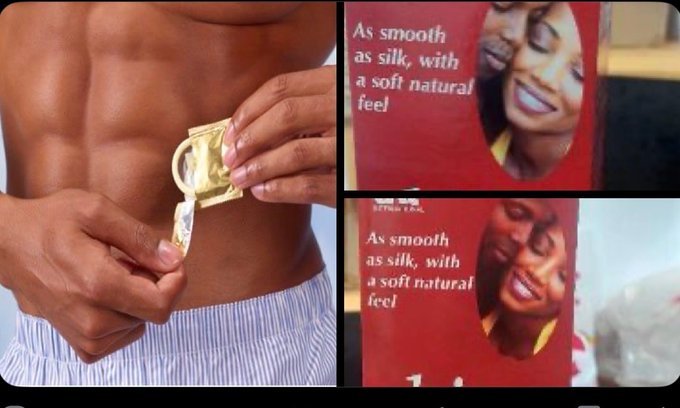
The National Agency for Food and Drug Administration and Control (NAFDAC) has issued a strong public warning to Nigerian men over the circulation of fake “Kiss” condoms in open markets and informal retail outlets across the country, raising serious concerns about public health, consumer safety, and sexual health protection.
The alert, which has begun to gain attention nationwide, underscores the growing threat posed by counterfeit regulated products in Nigeria’s informal markets and the potential consequences for unsuspecting consumers who rely on such products for protection.
NAFDAC Raises Alarm Over Counterfeit Condoms
NAFDAC said the fake Kiss condoms are being sold under the guise of genuine, approved products, but do not meet required safety, quality, and regulatory standards.
According to the agency, counterfeit condoms pose a significant risk because they may be poorly manufactured, expired, improperly stored, or made from substandard materials that can easily tear or fail during use.
The agency stressed that condoms are classified as regulated medical and sexual health products, and any compromise in quality can have serious implications, including unintended pregnancies and increased risk of sexually transmitted infections (STIs).
Targeted Warning to Nigerian Men
While the warning applies to the general public, NAFDAC specifically cautioned Nigerian men, who are the primary purchasers of condoms, to be vigilant when buying sexual health products.
Officials noted that counterfeiters often target popular and widely used brands like Kiss because of their high demand and broad market acceptance.
The agency urged men to avoid buying condoms from roadside traders, unregistered stalls, and informal markets where product authenticity cannot be guaranteed.
How Fake Condoms Enter the Market
NAFDAC explained that counterfeit condoms often find their way into Nigerian markets through illegal importation, unauthorised local production, and weak supply chain controls.
These fake products are usually packaged to closely resemble genuine brands, making it difficult for consumers to distinguish between authentic and counterfeit items at a glance.
In many cases, the packaging may look convincing, but closer inspection may reveal spelling errors, poor print quality, missing registration numbers, or unusual textures in the product itself.
Public Health Risks Associated with Fake Condoms
Health experts warn that the use of counterfeit condoms can undermine years of public health education on safe sex and reproductive health.
Fake condoms may:
- Tear easily during intercourse
- Have weak or inconsistent material thickness
- Lack proper lubrication
- Be expired or poorly stored
- Offer little or no protection against STIs and HIV
NAFDAC emphasised that reliance on such products gives users a false sense of security, which can be more dangerous than having no protection at all.
Growing Counterfeit Product Challenge
The warning about fake Kiss condoms highlights a broader issue facing Nigeria’s regulatory environment: the proliferation of counterfeit regulated products.
From medicines and medical devices to cosmetics and food items, counterfeit goods continue to pose a major challenge for regulators and law enforcement agencies.
NAFDAC has repeatedly stated that open markets and informal retail channels remain major entry points for fake products due to weak oversight and consumer price sensitivity.
Regulatory Efforts and Enforcement Actions
NAFDAC said it has intensified surveillance, intelligence gathering, and enforcement operations to identify and remove counterfeit condoms and other fake regulated products from circulation.
The agency also works with other security agencies to track supply chains and prosecute individuals involved in the production, importation, or distribution of fake products.
However, officials admitted that enforcement alone is not sufficient without strong public awareness and consumer cooperation.
Advice to Consumers
NAFDAC advised Nigerians to take the following precautions when purchasing condoms and other regulated health products:
- Buy only from registered pharmacies, hospitals, and licensed healthcare outlets
- Check for NAFDAC registration numbers and approved labeling
- Inspect packaging for signs of tampering, poor print quality, or spelling errors
- Avoid unusually cheap products that seem too good to be true
- Report suspicious products to NAFDAC offices or hotlines
The agency stressed that price should never be prioritised over safety when it comes to health-related products.
Importance of Sexual Health Protection
Public health advocates say the warning serves as a reminder of the importance of reliable sexual health protection, especially among young people and sexually active adults.
Condoms remain one of the most effective and accessible tools for preventing sexually transmitted infections and unintended pregnancies when properly manufactured and used.
The circulation of fake condoms, they warn, threatens not only individual users but also broader national public health goals.
Impact on Trust and Consumer Confidence
The presence of counterfeit condoms in the market can also erode consumer trust in legitimate brands and regulatory systems.
Legitimate manufacturers suffer reputational damage when counterfeit products bearing their names fail, while consumers may become skeptical of using condoms altogether.
NAFDAC said protecting consumer confidence is a key reason the agency continues to issue public alerts and warnings.
Role of Market Associations and Vendors
The agency also called on market associations, shop owners, and vendors to take responsibility for the products they sell.
NAFDAC warned that traders found dealing in fake condoms or other counterfeit regulated products would face severe penalties under Nigerian law.
Market leaders were urged to cooperate with regulators by identifying suspicious suppliers and discouraging the sale of unapproved products.
Public Reaction and Awareness
Following the warning, reactions have begun to emerge across social media and public discussion spaces, with many Nigerians expressing concern about the prevalence of fake products in everyday markets.
Some users called for stricter penalties for counterfeiters, while others urged the government to strengthen consumer education and market regulation.
Health advocates say the conversation presents an opportunity to deepen awareness about product safety and responsible purchasing habits.
What This Means Going Forward
NAFDAC said it will continue to monitor markets nationwide and provide updates as investigations progress.
The agency reaffirmed its commitment to safeguarding public health and ensuring that regulated products sold in Nigeria meet approved standards.
It also encouraged Nigerians to see consumer vigilance as a shared responsibility rather than relying solely on enforcement agencies.
Conclusion
The warning by NAFDAC against fake Kiss condoms in Nigerian markets is a critical public health alert that underscores the dangers posed by counterfeit regulated products.
While condoms play a vital role in sexual health protection, their effectiveness depends entirely on quality and authenticity.
As authorities intensify enforcement efforts, Nigerians are being urged to remain alert, informed, and cautious in their purchasing decisions.
Ultimately, safeguarding public health requires a collective effort—by regulators, traders, manufacturers, and consumers alike—to ensure that safety is never compromised for convenience or cost.