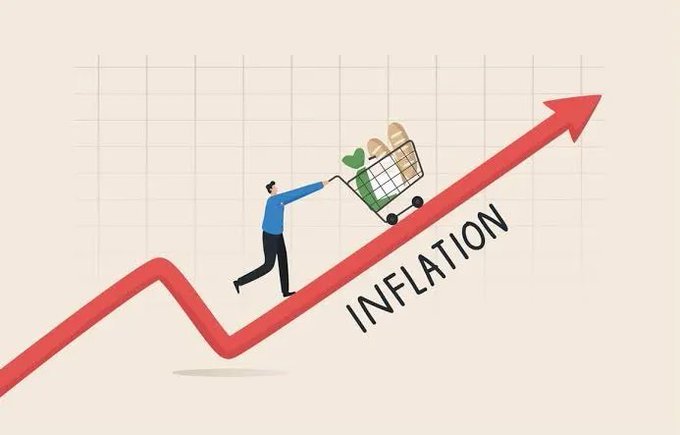
Nigeria’s headline inflation rate has declined to 15.10 percent, signaling a notable moderation in price pressures across the economy, according to the latest Consumer Price Index (CPI) report released by the National Bureau of Statistics (NBS).
The new figure represents a significant drop compared to previous months, with the NBS attributing the slowdown primarily to easing food prices, improved supply chains, and base effects from earlier high inflation readings.
The development offers cautious optimism for households and businesses that have endured prolonged cost-of-living pressures driven by currency fluctuations, energy costs, and supply disruptions.
Food Inflation Records Sharp Decline
Food inflation — which has historically been the largest contributor to Nigeria’s overall inflation rate — recorded one of its steepest month-on-month declines in recent reporting cycles.
According to the NBS data, staple food prices that previously surged due to logistics bottlenecks and exchange rate volatility have begun to stabilize. Analysts say improved harvest yields in key agricultural belts, coupled with reduced panic buying and better transport logistics, have contributed to the drop.
Items that saw noticeable price moderation include:
- Grains and cereals
- Selected tubers
- Cooking oil
- Some vegetable produce
Market surveys across major urban centers indicated that prices of certain staple commodities fell compared to the previous quarter, leading to what traders described as a “temporary cooling period” in food markets.
However, economists caution that while prices have eased, they remain elevated relative to long-term averages.
Headline Inflation at 15.10%: What It Means
The headline inflation rate measures the average change over time in the prices of goods and services consumed by households.
A decline to 15.10 percent suggests that while prices are still rising, they are doing so at a slower pace than previously recorded.
Inflation moderation typically reflects one or more of the following:
- Improved supply conditions
- Currency stabilization
- Reduced import costs
- Tighter monetary policy
- Base-year statistical effects
Economic analysts say the current decline likely reflects a combination of improved agricultural output and monetary tightening by the Central Bank, which has maintained elevated interest rates to curb excess liquidity.
Core Inflation Also Moderates
In addition to food inflation, core inflation — which excludes volatile agricultural and energy prices — showed signs of stabilization.
Core inflation trends often indicate underlying structural price pressures such as housing costs, transportation, healthcare, and education.
The moderation in core inflation suggests broader price stability beyond seasonal agricultural fluctuations.
Regional and Urban-Rural Breakdown
The NBS report also provides a state-by-state breakdown of inflation trends.
Urban inflation generally remains slightly higher than rural inflation, reflecting higher housing, transportation, and service costs in major cities.
However, rural food prices have shown greater sensitivity to seasonal harvest patterns, meaning food price declines may be more pronounced in farming communities.
Some states recorded sharper declines than others, particularly those in key agricultural production zones.
Impact on Nigerian Households
For Nigerian households, food accounts for a substantial share of total consumer spending. A slowdown in food inflation can therefore provide immediate relief for low- and middle-income families.
Over the past two years, many households have struggled with:
- Rising transportation costs
- Increased rent and utility bills
- Higher school and medical expenses
- Escalating food prices
The drop to 15.10 percent inflation may ease some pressure, but analysts emphasize that cumulative price increases over previous months mean purchasing power remains weaker compared to pre-inflation surge levels.
Monetary Policy Implications
The inflation data is likely to influence decisions by the Central Bank regarding interest rates.
In recent months, policymakers have pursued aggressive tightening measures to curb inflationary pressures and stabilize the currency.
If inflation continues on a downward trajectory, monetary authorities may consider maintaining current rates rather than implementing further hikes.
However, experts warn that premature policy easing could reverse gains, particularly if external shocks such as oil price volatility or exchange rate instability re-emerge.
Factors Driving the Inflation Decline
Several factors appear to have contributed to the recent slowdown:
1. Improved Agricultural Output
Better weather conditions and expanded cultivation efforts have increased supply in certain food categories.
2. Exchange Rate Stability
Relative stability in the naira compared to prior volatility may have reduced import costs for food items and raw materials.
3. Reduced Supply Chain Disruptions
Improved transportation logistics and security in some farming corridors have eased distribution challenges.
4. Base Effects
Inflation comparisons are measured year-on-year. If the previous year recorded exceptionally high inflation, the current rate may appear lower due to statistical base effects.
Market Reactions
Financial markets responded cautiously to the inflation announcement.
Investors typically interpret declining inflation as positive for:
- Fixed-income markets
- Currency stability
- Consumer spending outlook
However, analysts stress that sustained moderation — rather than a single-month decline — will determine long-term economic confidence.
Economic Outlook for 2026
If food price stability continues, inflation could trend further downward in coming months.
However, risks remain, including:
- Global commodity price shocks
- Fuel price adjustments
- Exchange rate fluctuations
- Security disruptions in agricultural regions
Economic experts say inflation below 15 percent would represent a significant milestone, but sustained policy discipline and structural reforms are necessary to maintain stability.
Government Response
While there has been no formal statement from the Ministry of Finance at the time of reporting, government officials have previously emphasized efforts to boost local food production, enhance storage infrastructure, and support farmers through credit schemes.
Some policy initiatives aimed at reducing food import dependency and improving rural road networks may also be contributing to the improved supply environment.
Conclusion
The latest data from the National Bureau of Statistics showing inflation at 15.10 percent and a sharp decline in food prices provides cautious optimism for Nigeria’s economic outlook.
While price levels remain elevated compared to previous years, the slowdown in inflation signals potential stabilization after a prolonged period of intense cost pressures.
Whether the trend continues will depend on sustained agricultural output, exchange rate stability, prudent monetary policy, and improved security conditions across food-producing regions.
For now, the drop in inflation offers a welcome — though tentative — relief for households and businesses navigating Nigeria’s complex economic landscape.