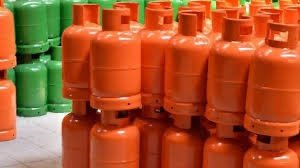
The price of Liquefied Petroleum Gas (LPG), popularly known as cooking gas, may soon rise to ₦1,500 per kilogram across Nigeria following an emerging shortage of depot supplies nationwide.
Industry operators and market analysts have warned that dwindling stock levels at major depots, combined with rising demand, could trigger another sharp increase in retail prices in the coming days.
Checks across the downstream petroleum market showed that only a few major suppliers currently have commercial LPG volumes available for distribution, raising concerns among marketers and consumers already battling high living costs.
According to reports from industry sources, only the Dangote Petroleum Refinery, Ardova Plc and Navgas were observed to have significant LPG stock available for sale at depots as of Tuesday.
The development has intensified fears of another nationwide increase in cooking gas prices, with marketers projecting that retail prices could jump from the current average of about ₦1,300 per kilogram to ₦1,500/kg if supply shortages persist.
Depot Prices Continue Rising
Market data monitored within the downstream oil sector indicated that ex-depot LPG prices have already climbed significantly in recent weeks.
Industry pricing platforms showed that LPG was being sold at depots between ₦1,060 and ₦1,085 per kilogram depending on the supplier and location.
Reports indicated that the Dangote Petroleum Refinery sold LPG at approximately ₦1,060 per kilogram, while Ardova Plc and Navgas reportedly sold at ₦1,065/kg and ₦1,085/kg respectively.
The increase in ex-depot prices is expected to have a direct impact on retail outlets nationwide, where consumers already complain of rising refill costs.
Many retail gas plants in Lagos, Abuja, Port Harcourt and other major cities currently sell cooking gas above ₦1,300 per kilogram, with some locations already approaching ₦1,400/kg.
Industry operators now fear that continued supply pressure could push prices to ₦1,500/kg before the end of the month.
Rising Demand Blamed for Supply Pressure
Stakeholders in the LPG market attributed the latest supply challenges largely to increasing domestic demand for cooking gas.
According to market analysts, more Nigerian households and businesses have continued shifting from kerosene, charcoal and firewood to cooking gas despite the rising costs.
Energy experts say the growing adoption of LPG has increased pressure on local supply chains, especially as demand continues to outpace available stock in some regions.
The Chief Executive Officer of Petroleumprice.ng, Olatide Jeremiah, reportedly warned that the market could witness additional increases if supply shortages continue.
Industry operators also noted that rising international crude oil prices and global energy market volatility have affected the cost of LPG imports and distribution.
Marketers Lament Poor Sales
Despite the growing demand for cooking gas, many marketers say consumers’ purchasing power has weakened significantly due to repeated price increases.
Some LPG dealers disclosed that sales volumes have dropped in recent months as many Nigerians struggle to afford refills.
Operators say several households have started reducing consumption or returning to alternative cooking methods such as charcoal and firewood due to the persistent rise in energy costs.
The National President of the Nigerian Association of Liquefied Petroleum Gas Marketers reportedly confirmed that depot prices for 20 metric tonnes of LPG had risen above ₦21 million in some locations.
According to marketers, the rising ex-depot cost automatically translates into higher retail prices nationwide because dealers must factor transportation, logistics and operational expenses into final selling prices.
Nigerians Face Fresh Cost-of-Living Pressure
The latest projected increase in cooking gas prices is expected to worsen economic hardship for millions of Nigerians already struggling with inflation and rising food prices.
Cooking gas remains a major source of household energy in urban areas across the country, making price increases particularly difficult for middle- and low-income families.
Economic analysts say another hike in LPG prices could further increase pressure on household budgets, especially as transportation and electricity costs also remain unstable.
Many consumers have expressed frustration over the repeated increases in cooking gas prices within the past year.
The development comes amid broader concerns over inflation, energy affordability and the rising cost of living nationwide.
Nigeria’s Domestic Gas Consumption Rising
Recent industry data also showed that Nigeria’s domestic gas utilisation increased significantly in recent months as the Federal Government continues promoting gas adoption nationwide.
According to reports, domestic gas sales rose in March 2026 compared to the previous month, reflecting increased demand from households, industries and gas-fired power plants.
The Federal Government has repeatedly encouraged Nigerians to adopt cleaner energy sources such as LPG as part of its energy transition and environmental sustainability plans.
However, stakeholders warn that sustained increases in cooking gas prices could undermine those efforts by making LPG unaffordable for many households.
Concerns Over Future Supply Stability
Industry experts have called for urgent measures to stabilize LPG supply and pricing across the country.
Some stakeholders believe increased local production and expanded storage infrastructure could help reduce dependence on imported LPG and minimize supply disruptions.
Others have urged the government to support domestic refiners and improve distribution networks to ensure more stable supply nationwide.
The role of the Dangote Petroleum Refinery in domestic LPG supply has also attracted attention, with operators saying increased local refining capacity could eventually help ease pressure on the market.
For now, however, consumers may have to prepare for another increase in cooking gas prices as supply shortages continue to affect depot operations across Nigeria.