Nigeria’s electricity sector has attracted at least $3.653 billion in funding backed by the World Bank over the past 24 years, but millions of Nigerians continue to face unrelable power supply, recurring grid collapses, and a heavy dependence on generators for daily economic activities.
The substantial investments were intended to support reforms, improve infrastructure, expand electricity access, strengthen transmission networks, and enhance the overall performance of the country’s power sector. However, despite the billions of dollars committed to the sector, electricity remains one of Nigeria’s most pressing development challenges.
Households and businesses across the country continue to experience prolonged outages, voltage fluctuations, and inadequate power supply, forcing many to rely on petrol, diesel, and alternative energy sources to meet their electricity needs.
Billions Invested in Power Sector Reforms
Over the years, the World Bank has supported multiple projects aimed at transforming Nigeria’s electricity industry.
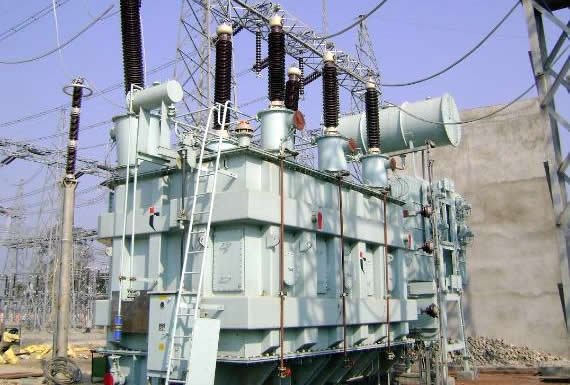
These interventions have focused on critical areas including transmission expansion, distribution improvements, rural electrification, renewable energy development, metering, and policy reforms designed to strengthen the sector’s operational efficiency.
The funding has also supported government efforts to improve electricity access for underserved communities and modernize aging infrastructure that has struggled to keep pace with growing demand.
Despite these initiatives, the sector continues to face significant structural and operational challenges that have limited the impact of investments.
Persistent Electricity Supply Crisis
Nigeria remains one of the countries with the largest electricity access deficits in the world despite being Africa’s biggest economy and one of its leading energy producers.
Many communities continue to experience inadequate electricity supply, while businesses frequently cite poor power availability as one of the biggest obstacles to growth and investment.
Manufacturers, small businesses, hospitals, educational institutions, and households often spend substantial amounts on alternative power sources, increasing operational costs and reducing productivity.
The unreliable power situation has also contributed to higher production expenses, making locally produced goods less competitive and placing additional pressure on consumers.
Frequent Grid Collapses Raise Concerns
One of the major challenges confronting the sector is the recurring collapse of the national electricity grid.
Over the years, Nigeria has witnessed numerous incidents in which power generation and transmission systems suffered disruptions, leading to widespread blackouts across multiple states.
Experts have attributed these collapses to aging infrastructure, inadequate maintenance, weak transmission capacity, technical faults, and operational inefficiencies within the electricity value chain.
Although authorities have introduced measures to improve grid stability, many Nigerians continue to experience interruptions that affect both residential and commercial activities.
Businesses Bear the Burden
The electricity crisis continues to impose enormous costs on businesses nationwide.
Many companies operate diesel or petrol-powered generators for extended periods each day to compensate for inadequate electricity from the national grid.
For small and medium-sized enterprises, the high cost of alternative power has become a major challenge, affecting profitability and limiting expansion opportunities.
Manufacturers have repeatedly warned that rising energy costs reduce competitiveness, discourage investment, and contribute to inflationary pressures within the economy.
Economic analysts argue that stable electricity remains one of the most important requirements for sustainable industrialization and economic growth.
Challenges Beyond Funding
Industry stakeholders note that the challenges facing Nigeria’s electricity sector extend beyond financial investment.
Experts point to issues such as inadequate transmission infrastructure, distribution losses, electricity theft, poor metering, regulatory uncertainties, and liquidity challenges as factors that continue to hinder progress.
The sector also faces difficulties related to gas supply constraints, vandalism of power infrastructure, and insufficient investment in maintenance and modernization.
According to energy analysts, addressing these challenges requires coordinated reforms, stronger governance, improved accountability, and long-term policy consistency.
Rural Communities Still Face Limited Access
Despite various electrification programmes, many rural communities across Nigeria remain underserved or entirely disconnected from the national grid.
Limited access to electricity continues to affect healthcare delivery, education, agricultural productivity, and economic development in many parts of the country.
To address these gaps, authorities and development partners have increasingly promoted renewable energy solutions, including solar mini-grids and standalone solar systems.
However, experts say much more needs to be done to achieve universal electricity access and bridge the urban-rural energy divide.
Calls for Greater Accountability
The scale of investment in the power sector has renewed calls for greater accountability and transparency in the management of electricity projects.
Stakeholders argue that Nigerians deserve measurable improvements in power supply considering the significant financial resources committed to the sector over the years.
Some experts have called for comprehensive evaluations of completed projects to determine their effectiveness and identify areas requiring further intervention.
Others stress the need for stronger oversight mechanisms to ensure that future investments translate into tangible improvements for consumers.
Electricity Remains Key to Economic Growth
Economists consistently identify reliable electricity as one of the most important foundations for national development.
Stable power supply supports industrial production, job creation, digital innovation, healthcare services, education, and overall economic competitiveness.
Countries that have successfully industrialized typically invested heavily in modern and reliable electricity infrastructure, enabling businesses to operate efficiently and attract investment.
For Nigeria, improving electricity supply remains central to efforts aimed at diversifying the economy, boosting productivity, and enhancing living standards.
The Road Ahead
While the more than $3.65 billion in World Bank-backed funding underscores international confidence in Nigeria’s power sector reforms, the continued struggles faced by consumers highlight the complexity of the challenges involved.
Industry experts maintain that sustained investment must be accompanied by effective implementation, regulatory stability, infrastructure upgrades, and stronger institutional capacity.
As Nigeria’s population and energy demand continue to grow, pressure is mounting on policymakers, regulators, and industry operators to deliver meaningful improvements in electricity generation, transmission, and distribution.
For millions of Nigerians, the ultimate measure of success will not be the amount of money invested but the availability of stable, affordable, and reliable electricity capable of powering homes, businesses, and the nation’s economic ambitions.