ABUJA — The Federal Government has announced plans to publicly disclose details of the savings generated from the removal of fuel subsidy, a move aimed at improving transparency and accountability in the management of public finances.
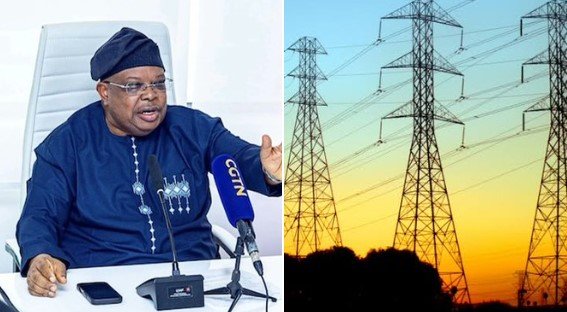
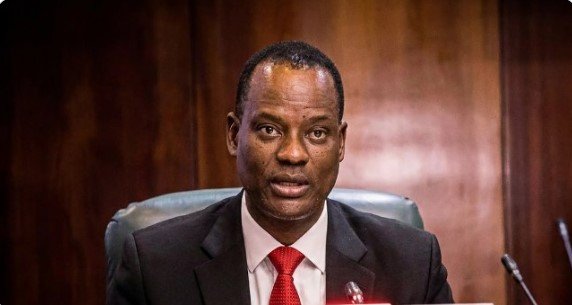
The Chairman of the Presidential Committee on Fiscal Policy and Tax Reforms, Taiwo Oyedele, disclosed that the government would make available information on how funds saved from the subsidy removal have been utilised since the policy was introduced.
According to Oyedele, the initiative is intended to address growing public concerns over the management of subsidy savings and reinforce confidence in the Federal Government’s fiscal reforms.
Transparency in Subsidy Savings
Oyedele said the government recognises the need for Nigerians to understand the financial impact of one of the country’s most significant economic reforms.
He noted that publishing the details of the subsidy savings would demonstrate the government’s commitment to transparency and accountability while allowing citizens to track how public resources are being deployed.
The planned disclosure is expected to provide a clearer picture of the amount saved following the removal of petrol subsidy and the sectors where the funds have been allocated.
Fuel Subsidy Removal
President Bola Ahmed Tinubu announced the removal of fuel subsidy during his inauguration on May 29, 2023, declaring that “fuel subsidy is gone.”
The decision ended decades of government spending on subsidising Premium Motor Spirit (PMS), a policy that had consumed trillions of naira annually and placed enormous pressure on public finances.
Following the removal, petrol prices rose significantly across the country as marketers adjusted prices to reflect market realities.
The Federal Government argued that continuing the subsidy had become financially unsustainable and diverted resources away from critical sectors such as infrastructure, healthcare, education and social welfare.
Economic Impact
The subsidy removal remains one of the most consequential economic reforms undertaken by the Tinubu administration.
Supporters of the policy argue that eliminating the subsidy has improved fiscal sustainability, increased government revenues available for development projects and reduced opportunities for corruption associated with the subsidy regime.
They also maintain that the policy has helped improve transparency in the downstream petroleum sector by allowing market forces to determine fuel prices.
However, the reform has also contributed to rising transportation costs, increased production expenses and higher inflation, placing additional financial pressure on households and businesses.
Public Demand for Accountability
Since the subsidy was removed, many Nigerians, civil society organisations and economic analysts have repeatedly called on the government to explain how the savings are being utilised.
Questions have centred on whether the funds are being channelled into infrastructure development, education, healthcare, transportation, agriculture and targeted social intervention programmes.
The planned publication of the savings is therefore expected to provide greater clarity and enhance public confidence in the government’s fiscal management.
Fiscal Reform Agenda
Oyedele said the disclosure aligns with the broader objectives of the Presidential Committee on Fiscal Policy and Tax Reforms, which seeks to strengthen Nigeria’s public finance system through improved efficiency, transparency and accountability.
The committee has proposed several reforms aimed at simplifying Nigeria’s tax system, expanding the tax base, reducing multiple taxation and improving revenue generation without placing excessive burdens on taxpayers.
According to Oyedele, fiscal transparency remains an essential component of sustainable economic management and investor confidence.
Government’s Position
The Federal Government has consistently maintained that funds saved from subsidy removal are being redirected toward projects capable of stimulating economic growth and improving the welfare of Nigerians.
Officials have cited investments in infrastructure, education, healthcare, agriculture, security and social intervention programmes as key priorities under the administration’s economic agenda.
Government representatives have also argued that subsidy removal was necessary to prevent further strain on national finances and reduce borrowing.
Calls for Greater Transparency
Economic experts have welcomed the proposed publication of subsidy savings but stressed that transparency should extend beyond announcing figures.
Analysts argue that the government should provide detailed breakdowns showing total savings, expenditure allocations, project implementation status and measurable outcomes.
Some have also recommended periodic public reporting to ensure continuous accountability and strengthen public trust.
Civil society organisations have similarly urged the government to establish accessible reporting mechanisms that enable citizens to monitor the use of public funds.
Balancing Reform and Social Protection
While acknowledging the long-term objectives of subsidy removal, economists continue to emphasise the importance of cushioning its short-term effects on vulnerable Nigerians.
Several experts have called for expanded social investment programmes, improved public transportation, targeted support for low-income households and measures to stimulate local production.
Such interventions, they argue, would help mitigate the economic challenges associated with higher fuel prices while ensuring that the benefits of fiscal reforms are broadly shared.
Looking Ahead
The planned publication of fuel subsidy savings represents another step in the Federal Government’s efforts to improve transparency surrounding one of Nigeria’s most significant economic policy decisions.
Although a specific date for the release of the information has not yet been announced, the disclosure is expected to provide Nigerians with greater insight into how resources freed by the removal of fuel subsidy have been managed.
As the administration continues to implement fiscal and economic reforms, the planned publication is likely to become an important benchmark for measuring accountability, strengthening public confidence and demonstrating the government’s commitment to responsible management of public resources.