Many filling stations across the Federal Capital Territory have continued to adjust the pump price of Premium Motor Spirit, popularly known as petrol, following another increase in the wholesale price of the product by the Dangote Petroleum Refinery.
The latest development comes after the refinery raised its petrol gantry price by N85 per litre, moving it from N1,265 to N1,350 per litre.
The new price took effect on Saturday, September 12, 2026, according to a circular issued to the refinery’s customers by its Group Commercial Operations division.
The latest adjustment represents a 6.7 per cent increase and marks the fourth upward review of Dangote Refinery’s petrol gantry price since August 21.
The repeated increases have added fresh pressure to the downstream petroleum market, with marketers expected to review their pump prices as they replenish stocks purchased at the new wholesale rate.
Dangote raises petrol price to N1,350
The latest increase means Dangote Refinery’s petrol price has risen by N185 per litre since August 21.
The refinery initially increased its gantry price from N1,165 to N1,185 per litre on August 21. It subsequently raised the price to N1,200 on August 26 before another adjustment took it to N1,265 per litre on August 29.
The latest N85 increase has now pushed the price to N1,350 per litre.
The cumulative increase of N185 represents an approximately 15.9 per cent rise in the refinery’s petrol gantry price in 22 days.
The refinery also increased its coastal delivery price from N1,669,545 to N1,783,530 per metric tonne.
Customers were directed to return existing Authority to Collect documents for repricing, after which new volume contracts would be issued to facilitate the resumption of loading.
The latest adjustment has established a new wholesale reference point for marketers purchasing petrol from the Dangote refinery.
Why petrol prices are rising
The latest increase comes amid renewed pressure in international crude oil markets.
Brent crude, the international benchmark relevant to Nigeria’s oil industry, has risen sharply in recent trading amid concerns over global supply disruptions.
Brent futures climbed to $108.21 per barrel in recent trading, according to market reports, as tensions and disruptions affecting shipping in the Middle East continued to raise concerns about oil supplies.
The increase in international crude prices is significant for Nigeria because the country remains heavily dependent on crude oil for government revenue and foreign exchange earnings, while changes in global oil prices can also influence the cost of refined petroleum products.
Higher crude prices can increase the cost of replacing petroleum products in the international market, putting pressure on domestic fuel prices.
Although Nigeria now has substantial domestic refining capacity from the Dangote refinery, domestic petrol prices remain exposed to global crude and petroleum-product market movements.
Landing cost also rises
The latest Dangote gantry price is also above the reported PMS landing-cost benchmark of about N1,311 per litre.
Landing cost represents the estimated cost associated with bringing imported petroleum products into Nigeria, including the relevant international product price and associated costs.
The fact that Dangote’s latest wholesale price is above the reported landing-cost benchmark highlights the changing economics of the downstream petroleum market.
However, the difference between wholesale prices and pump prices does not mean filling stations will sell petrol at the same price.
Retail prices vary depending on several factors, including the cost at which individual marketers obtained their products, transportation expenses, operating costs, location and prevailing market conditions.
This explains why motorists in Abuja and other parts of the country may encounter different petrol prices even within the same period.
FCT filling stations adjust pump prices
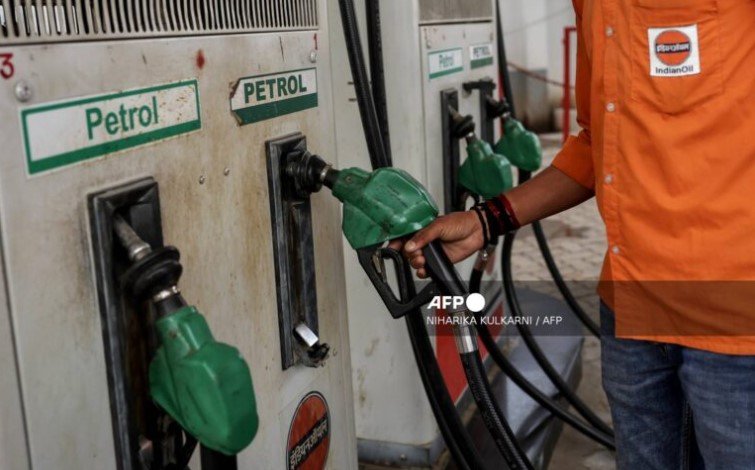
The latest increase has begun to influence petrol prices at filling stations across the Federal Capital Territory.
Retailers are expected to review their prices as existing stocks purchased at lower rates are exhausted and replaced with products sourced at the new wholesale price.
The adjustment is particularly significant for motorists and businesses in Abuja because changes in petrol prices have a direct effect on transportation costs.
Many residents of the FCT depend on petrol-powered vehicles, generators and other equipment, meaning an increase in the price of PMS can have wider consequences for household and business expenses.
Transport operators may also face higher operating costs, potentially creating additional pressure on fares.
Fourth increase since August
The latest price adjustment is notable because it is the fourth increase by Dangote Refinery in less than a month.
The sequence of increases shows how quickly petrol pricing has responded to movements in the international oil market.
On August 21, the refinery moved its gantry price from N1,165 to N1,185 per litre.
Five days later, on August 26, it increased the price again to N1,200.
On August 29, the price rose to N1,265.
The latest adjustment on September 12 brought the price to N1,350.
In total, the refinery has added N185 per litre to its petrol gantry price since August 21.
The development is likely to keep the downstream petroleum market under pressure, particularly if international crude prices remain elevated.
What the new price means for motorists
For motorists, the immediate concern is the impact on pump prices.
Dangote Refinery’s gantry price is a wholesale price, meaning filling stations and other petroleum marketers still have additional costs before the product reaches consumers.
These can include transportation, storage, handling and other operational expenses.
As a result, the N1,350 gantry price should not automatically be interpreted as the new nationwide retail price.
Instead, it provides an indication of the direction of wholesale petrol prices.
Where marketers purchase new supplies at the higher rate, they may adjust their pump prices to reflect their increased replacement costs.
However, individual filling stations remain subject to market conditions in their respective locations.
Pressure on businesses and households
An increase in petrol prices can have effects beyond the cost of filling a vehicle’s tank.
Businesses that rely on petrol-powered generators may experience higher operating expenses.
Transport companies and commercial drivers may also face increased fuel bills.
The additional costs can eventually feed into the prices of goods and services, particularly where transportation represents a significant component of business expenses.
For households, higher petrol prices can increase the cost of commuting and other daily activities.
The impact can be particularly significant for residents who travel long distances to work or rely on commercial transportation.
Domestic refining does not eliminate global price pressures
Nigeria’s increased domestic refining capacity has changed the structure of the petroleum market, but it has not completely insulated the country from international oil price movements.
The Dangote refinery sources crude in a market where crude oil prices are influenced by international supply and demand.
Consequently, fluctuations in global crude prices can affect the economics of refining and the prices at which petroleum products are sold.
The current rally in Brent crude therefore remains an important factor to watch as marketers assess the next phase of petrol pricing.
If crude prices remain elevated, the pressure on refined-product prices could persist.
Conversely, a sustained decline in international crude prices could eventually ease some of the pressure on domestic petroleum prices, although the timing and extent of any reduction would depend on several other market factors.
Marketers face new pricing decisions
The latest Dangote adjustment puts depot owners and independent petroleum marketers in a position where they have to reassess their pricing structures.
Marketers holding older stocks may continue selling at existing prices until those products are depleted, while those purchasing new supplies at the N1,350 gantry price are likely to face higher replacement costs.
This can result in differences in pump prices from one filling station to another.
The effect can also take time to spread across the country because petroleum products are distributed through different supply chains and transportation routes.
For consumers, this means petrol prices may not increase by the same amount or at exactly the same time at every filling station.
Oil market remains key to Nigeria’s petrol outlook
The direction of international crude prices will remain a major factor in determining the outlook for petrol prices in Nigeria.
Brent crude recently traded at $108.21 per barrel, while market concerns over Middle East supply disruptions have kept international oil prices elevated.
The development comes at a time when Nigeria’s downstream petroleum market is adjusting to a new structure in which domestic refining is playing an increasingly important role.
The Dangote refinery’s latest adjustment demonstrates that domestic production does not necessarily mean petrol prices will remain insulated from global crude-market movements.
Instead, the price of crude, refining economics, product replacement costs, logistics and market competition will continue to influence the final price paid by consumers.
Outlook for petrol prices
For motorists in Abuja and across Nigeria, the latest development means that petrol prices are likely to remain closely linked to developments in the international oil market and the wholesale pricing decisions of major suppliers.
The increase from N1,265 to N1,350 per litre is the latest in a series of adjustments that have pushed Dangote Refinery’s gantry price significantly higher within a short period.
Whether the increase will result in further nationwide pump-price adjustments will depend on the cost at which marketers obtain new supplies and the evolution of crude oil and petroleum-product prices in the international market.
For now, the key development is that Dangote Refinery’s new petrol gantry price of N1,350 per litre has taken effect, while motorists and businesses face renewed pressure from rising fuel costs.
The latest increase underscores the sensitivity of Nigeria’s petrol market to global crude prices and signals that consumers may continue to experience fluctuations at filling stations as marketers respond to changing wholesale and international market conditions.