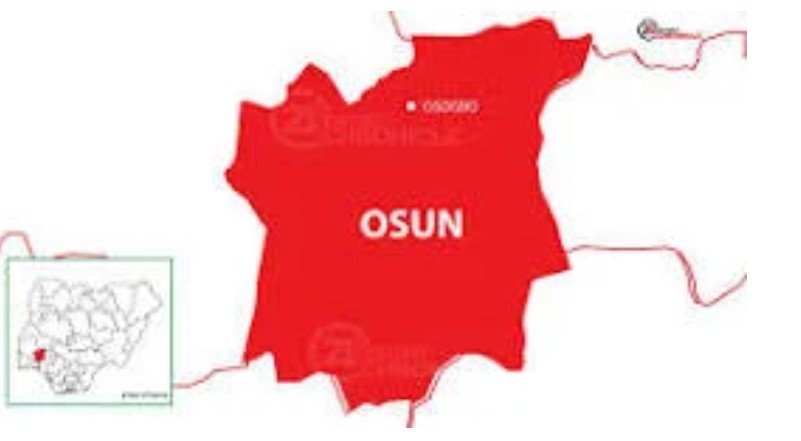
The Department of State Services has alerted Muslim and Christian leaders in Osun State to an alleged plan by terrorists to attack places of worship and other public gathering centres as part of efforts to create insecurity and frustrate the 2027 general elections.
The warning was reportedly issued during separate meetings between the DSS and representatives of the Muslim community and the Christian Association of Nigeria in Osogbo, the Osun State capital.
Sunday PUNCH gathered that the meetings were held on Wednesday, with security officials urging religious leaders to remain vigilant and take preventive measures to protect worshippers and other members of the public.
The development comes amid growing security concerns ahead of the 2027 general elections, with security agencies increasingly focused on potential threats that could disrupt political activities, public gatherings and the electoral process.
According to information from the meetings, the security alert was based on intelligence indicating that terrorists were allegedly planning to extend insecurity to the southern part of Nigeria, particularly the South-West geopolitical zone.
The reported objective of the plot was to create fear and tension in the region ahead of the 2027 presidential election.
DSS raises alarm over possible attacks
The DSS reportedly informed religious leaders that places of worship and other locations where large numbers of people gather could be targeted.
Although the specific locations or groups allegedly behind the planned attacks were not publicly identified, the warning prompted the security service to engage directly with leaders of the two major religious communities in Osun.
The meetings were intended to ensure that religious leaders were aware of the potential threat and could take precautionary measures.
Religious centres regularly attract large gatherings, particularly during Friday prayers, Sunday services, religious festivals and special programmes.
Such gatherings can present security challenges because of the number of people present and the predictable nature of some worship schedules.
The DSS therefore advised religious leaders to strengthen vigilance and adopt measures capable of detecting suspicious activities before they develop into attacks.
Osun Muslim leader confirms DSS meeting
The President of the Osun State Muslim Community, Alhaji Mustapha Olawuyi, confirmed that the meeting with the DSS took place.
Olawuyi also confirmed the substance of the security warning, saying the information presented by the service was genuine.
According to him, Muslim leaders were briefed about the potential threat and advised on measures they could adopt to prevent attacks.
He did not publicly disclose sensitive operational details concerning the intelligence or the specific preventive measures discussed with the security agency.
The decision to keep such details private is consistent with the sensitive nature of intelligence relating to possible terrorist operations.
Christian leaders also briefed
The DSS also held a separate engagement with Christian leaders through the Christian Association of Nigeria in Osogbo.
The engagement was aimed at ensuring that Christian worship centres were equally aware of the security concerns raised by the intelligence report.
Religious leaders play an important role in communicating security information to members of their communities because they have direct access to large congregations.
By alerting religious authorities, security agencies can encourage worshippers to pay closer attention to unusual activities around their places of worship and report suspicious behaviour to the appropriate authorities.
Intelligence points to South-West
The security warning reportedly followed intelligence indicating that terrorists were planning to spread insecurity to southern Nigeria.
The South-West was said to be of particular concern.
Osun, alongside Lagos, Ogun, Oyo, Ondo and Ekiti, forms part of the South-West geopolitical zone.
The region contains major commercial centres, educational institutions, religious organisations and densely populated communities.
It also has extensive road networks connecting different parts of the country, making security concerns in the region a matter of national importance.
The reported intelligence suggests that terrorists could seek to exploit these characteristics to create panic and instability.
However, the DSS has not publicly disclosed the identities of the suspected terrorists or provided details of when or where any attack could occur.
2027 elections heighten security concerns
The reported warning comes less than a year before the 2027 general elections, which are expected to generate increased political activity across Nigeria.
Political parties, candidates and supporters are expected to begin intensifying campaigns and mobilisation as the election approaches.
Security agencies have repeatedly emphasised the need for peaceful political activities and warned against attempts to exploit ethnic, religious or political tensions.
An increase in insecurity could discourage voters from participating in elections, disrupt campaigns and create fear among communities.
The alleged terrorist plan described in the intelligence report is therefore being treated as a potential threat not only to public safety but also to the electoral process.
Religious leaders urged to remain vigilant
The DSS reportedly urged religious leaders to strengthen security arrangements at their places of worship.
Among the measures generally associated with security at large public gatherings are improved monitoring of entrances and exits, attention to unattended objects, proper coordination with security personnel and prompt reporting of suspicious behaviour.
Religious organisations may also need to review their emergency response procedures and ensure that worshippers know how to respond in the event of a security incident.
The purpose of such preventive measures is not necessarily to create panic but to ensure that communities are prepared to respond quickly to credible threats.
Religious leaders are particularly important in this regard because they can communicate security advice to large numbers of people without unnecessarily creating alarm.
Public urged not to ignore suspicious activities
The warning also highlights the importance of public vigilance.
Members of the public who notice suspicious movements, abandoned objects or unusual behaviour around places of worship and other public gathering centres are expected to report such observations to security agencies.
However, security officials and community leaders also face the challenge of ensuring that legitimate security concerns do not lead to unnecessary fear or the targeting of innocent individuals.
Information about potential terrorist threats can spread rapidly through social media, making it important for members of the public to rely on verified information from security agencies rather than unconfirmed messages.
The DSS’s engagement with religious leaders provides an avenue for security information to be communicated directly to community leaders.
Osun’s security situation under focus
Osun State has generally remained an important part of the South-West security network because of its location and connections with neighbouring states.
The state shares boundaries with several other states in the region and has major highways linking communities across the South-West.
Any attempt to create widespread insecurity in one state could therefore have implications for neighbouring areas.
The latest DSS briefing demonstrates the importance security agencies attach to early warning and intelligence-led prevention.
Rather than waiting for an incident to occur, the agency has reportedly chosen to engage community leaders after receiving intelligence about a potential threat.
Security agencies expected to intensify monitoring
Following the reported intelligence, security agencies are expected to increase monitoring around vulnerable locations and public gathering centres in Osun and other parts of the South-West.
The effectiveness of such efforts will depend partly on cooperation between security agencies, religious organisations, community leaders and residents.
Religious organisations can contribute by strengthening internal security procedures, while members of the public can assist by reporting credible information.
Security agencies, on their part, are responsible for assessing intelligence, identifying genuine threats and taking appropriate action to protect communities.
The warning also underscores the importance of coordination among security agencies as Nigeria prepares for another major electoral cycle.
Threat does not mean an attack is imminent
While the DSS warning is significant, the existence of intelligence about an alleged plot does not necessarily mean an attack is imminent or that a particular location has been selected.
Security intelligence is often used to identify potential threats before they materialise.
The fact that the DSS briefed religious leaders indicates that the agency considers the information serious enough to warrant preventive action.
However, details such as the suspected groups involved, possible targets, timing and operational methods have not been made public.
The absence of such information means the public should avoid speculation and rely on official security updates.
Need for calm and vigilance
The warning comes at a sensitive period for Nigeria as political preparations for the 2027 elections gradually intensify.
Any successful terrorist attack on a place of worship or public gathering could have consequences extending beyond the immediate victims, potentially creating fear, disrupting social activities and increasing tensions between communities.
That is why preventive security measures are particularly important.
At the same time, residents of Osun and other South-West states have been urged to remain calm while maintaining appropriate levels of vigilance.
Religious leaders are expected to play a central role in communicating the security advice to their congregations without spreading unverified information.
DSS warning highlights importance of early intelligence
The reported meetings between the DSS and religious leaders in Osogbo demonstrate the role of intelligence sharing in preventing security threats.
By alerting both Muslim and Christian communities, the security service has sought to ensure that the warning reaches a broad section of the population.
The engagement also reflects the importance of community-based security cooperation, particularly when dealing with threats that could target crowded public locations.
For Osun State, the warning serves as a reminder that security cannot be left entirely to government agencies.
Community leaders, religious organisations and ordinary residents all have roles to play in identifying and reporting potential threats.
As Nigeria moves closer to the 2027 general elections, the ability of security agencies and communities to detect and prevent threats will remain critical to maintaining peace and protecting democratic activities.
For now, the DSS has urged religious leaders in Osun State to take precautionary measures following intelligence about an alleged terrorist plan to attack worship centres and other public gathering centres.
The security warning has also placed renewed attention on the need for vigilance across the South-West, particularly as political activities ahead of the 2027 elections are expected to increase.
Authorities have yet to publicly disclose further details about the alleged plot, including the identities of the suspected perpetrators or specific locations considered vulnerable. Religious leaders and members of the public are therefore expected to remain vigilant and report credible security concerns to the appropriate authorities.