The Federal Government has confirmed Nigeria’s first reported case of Ebola disease in the Federal Capital Territory, Abuja, after a woman who recently arrived from Uganda tested positive for the virus. Health authorities have commenced contact tracing, with 44 contacts identified as part of efforts to prevent further transmission.
The Federal Government has confirmed a case of Ebola virus disease in Abuja, raising fresh public health concerns and prompting an urgent response by health authorities to contain the infection and prevent its spread.
The Minister of Health and Social Welfare, Professor Muhammad Ali Pate, disclosed the development on Tuesday, October 20, 2026, following laboratory confirmation of the infection.
According to the minister, the patient is a woman who recently arrived in Nigeria on an international flight from Uganda. She was admitted to a private hospital in the Federal Capital Territory, where she received medical attention before the diagnosis was confirmed.
Health officials have since initiated contact tracing to identify people who may have been exposed to the virus through their interactions with the patient.
As of the time of the announcement, 44 contacts had been identified, while public health teams continued efforts to establish the full list of people who might have been exposed.
The development marks a significant public health challenge for Nigeria, which had previously intensified surveillance and preparedness measures in response to Ebola transmission reported in parts of Africa.
The Federal Ministry of Health and Social Welfare, the Nigeria Centre for Disease Control and Prevention (NCDC), and relevant health authorities in the FCT are coordinating the response.
Ebola Case Confirmed After Laboratory Tests
In the statement announcing the development, Pate said the infection was confirmed following laboratory testing.
The patient reportedly arrived in Nigeria from Uganda and was admitted to a private hospital in Abuja after developing symptoms. According to information released by health authorities, she began experiencing symptoms on October 7 and sought medical attention on October 11.
Further medical investigations subsequently confirmed Ebola virus disease.
The patient is currently in isolation and receiving medical care, while public health officials work to establish the extent of possible exposure and prevent additional infections.
The government’s immediate priority is to ensure that the infected patient receives appropriate treatment, identify everyone who may have come into contact with her, and monitor those individuals for possible symptoms.
The identification of 44 contacts represents an important stage in the containment effort. However, the number of contacts identified does not automatically mean that those individuals are infected.
Contact tracing is a standard public health procedure used to identify, assess and monitor people who may have been exposed to an infectious disease.
Health authorities can use the information gathered through this process to determine whether further testing, monitoring or other public health interventions are necessary.
The government has also urged healthcare facilities to remain vigilant and report suspected cases promptly.
FG Begins Contact Tracing, Identifies 44 Contacts
Contact tracing has become a central part of the government’s response following the confirmation of the Ebola case in Abuja.
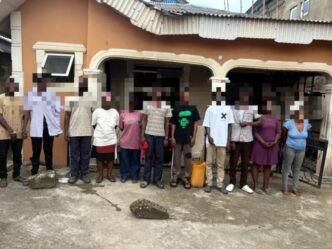
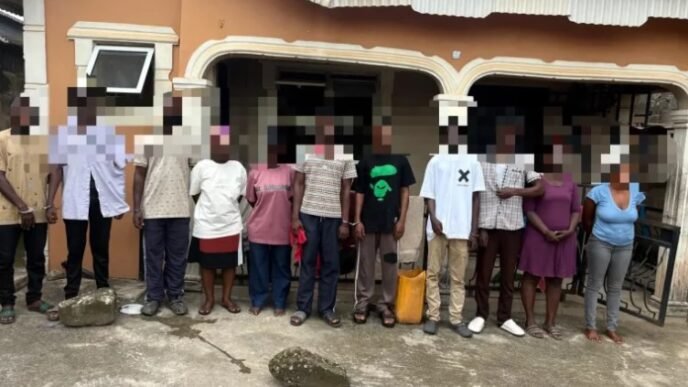
According to information released by the Federal Government, 44 people who may have been exposed to the patient have been identified so far.
The contacts include healthcare workers, patients, caregivers and people who may have travelled with the woman. Public health teams are working to identify and monitor individuals who could have been exposed during the relevant period.
The Minister of Health has appealed for cooperation from anyone contacted by public health officials during the tracing exercise.
People who travelled on the same flight as the patient or interacted with her in circumstances that could have resulted in exposure may be asked to provide information to assist the investigation.
The process is intended to establish a clear picture of the patient’s movements and interactions, allowing health authorities to determine who requires monitoring.
Contact tracing is particularly important in controlling Ebola because the disease can spread through direct contact with the blood or other bodily fluids of an infected person, as well as contaminated materials.
Individuals who have been exposed may not develop symptoms immediately. For this reason, public health teams must monitor identified contacts over the appropriate observation period and provide guidance on what to do if symptoms develop.
The government has not indicated that all 44 contacts have tested positive. They have been identified as people who may have been exposed, and their identification should not be interpreted as confirmation of additional cases.
Authorities are expected to provide further information as the investigation progresses.
Health Authorities Activate Emergency Response Measures
The Federal Ministry of Health and Social Welfare is coordinating the response with the Nigeria Centre for Disease Control and Prevention and the FCT Health Services Secretariat.
The agencies are working to contain the infection through isolation, medical care, contact tracing, laboratory diagnosis and infection prevention measures.
The response also involves efforts to strengthen surveillance in healthcare facilities and ensure that suspected infections are identified quickly.
Healthcare workers have been urged to maintain a high level of suspicion when assessing patients who present with symptoms consistent with Ebola, particularly where there is a relevant travel history or possible exposure to an infected person.
Public and private hospitals are expected to follow established infection prevention and control procedures and report suspected cases through the appropriate public health channels.
Early recognition and isolation are essential because Ebola symptoms can initially resemble those of other illnesses common in Nigeria, including malaria and other febrile infections.
Without appropriate precautions, an infected person may expose healthcare workers, caregivers and other patients before the disease is recognised.
The government’s response is therefore focused not only on the confirmed patient but also on preventing possible transmission within hospitals, households and other settings where exposure may have occurred.
The confirmation also highlights the importance of coordination between federal authorities, state health agencies, hospitals, laboratories and border health services during an infectious disease emergency.
What Is Ebola Virus Disease?
Ebola virus disease is a severe illness caused by viruses belonging to the genus Orthoebolavirus, commonly known as Ebola viruses.
The disease can cause serious illness and death, although outcomes vary depending on the virus species, the severity of the illness and the medical care available.
Ebola was first identified in 1976 following outbreaks in Central Africa. Since then, several outbreaks have occurred in different parts of the continent, with the largest previously recorded outbreak affecting West Africa between 2014 and 2016.
That epidemic, which mainly affected Guinea, Liberia and Sierra Leone, caused more than 11,000 deaths and exposed weaknesses in health systems and outbreak response arrangements across the region.
Nigeria was also affected during the 2014 outbreak after an infected traveller arrived in Lagos. The country recorded 20 confirmed cases, including eight deaths, before the outbreak was declared over.
Nigeria’s experience demonstrated the importance of rapid identification, isolation, contact tracing and coordinated public health action.
The country’s health authorities subsequently strengthened aspects of their capacity to respond to outbreaks, including surveillance, laboratory testing and emergency coordination.
The latest confirmed case in Abuja will test the effectiveness of those arrangements, particularly as officials work to determine the extent of possible exposure associated with the patient.
The confirmation of one case does not, by itself, establish that community transmission has occurred. That determination will depend on the findings of the ongoing epidemiological investigation and any additional cases detected.
How Ebola Spreads
Ebola is not generally spread through the air in the same manner as measles or some respiratory infections.
Transmission occurs primarily through direct contact with the blood, secretions, organs or other bodily fluids of a person who is sick with or has died from Ebola, or through contact with objects contaminated by such fluids.
People can also become infected through contact with infected animals or their bodily fluids.
The risk of transmission increases when an infected person develops symptoms and others come into direct contact with their bodily fluids without adequate protective measures.
Healthcare workers and family members caring for infected patients can face particular risks if appropriate infection prevention procedures are not followed.
The virus can also spread during traditional burial practices involving direct contact with the body of a person who died from the disease.
People who have been exposed do not become infectious simply because they have been identified as contacts. Ebola transmission is associated with infection, and people generally become capable of transmitting the virus after symptoms begin.
This distinction is important in preventing unnecessary panic or discrimination against people who are being monitored by health authorities.
The government’s contact-tracing exercise is designed to identify possible exposures early, monitor individuals and take appropriate action if symptoms develop.
Symptoms Nigerians Should Know
Ebola symptoms typically develop between two and 21 days after exposure, with symptoms often appearing within eight to 10 days.
Early symptoms may include:
- Fever
- Severe headache
- Muscle and joint pain
- Weakness and fatigue
- Sore throat
- Loss of appetite
As the disease progresses, patients may develop vomiting, diarrhoea, abdominal pain and other serious complications. Some patients may experience bleeding, although bleeding is not present in every case.
These symptoms can overlap with other illnesses, making it difficult to diagnose Ebola based on symptoms alone.
Anyone experiencing a fever or other symptoms should not automatically assume that they have Ebola. However, people who may have been exposed to a confirmed case should promptly contact public health authorities or a healthcare facility for instructions.
They should explain their possible exposure and follow official guidance on accessing medical assessment safely.
People who suspect that they may have been exposed should avoid unnecessary close contact with others while seeking professional advice. They should not attempt to diagnose or treat a suspected Ebola infection at home.
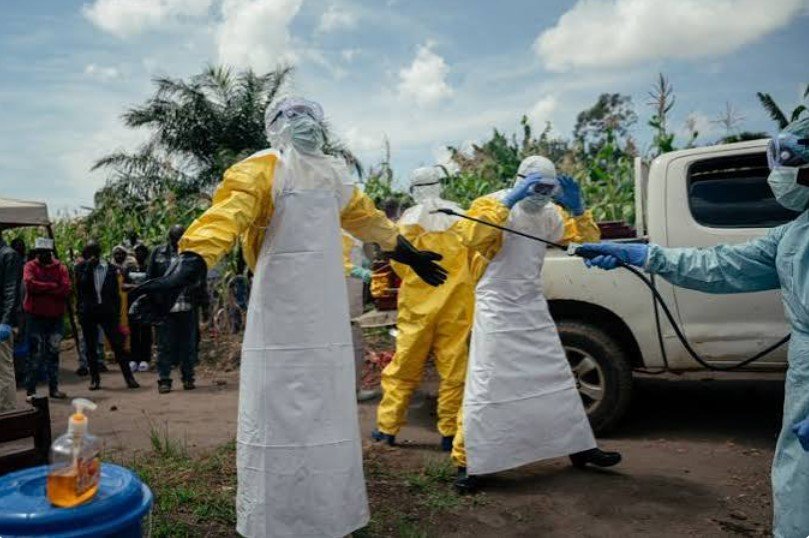
Healthcare workers must also use appropriate protective equipment and follow established procedures when assessing suspected patients.
Laboratory testing and clinical assessment are necessary to establish whether an individual has Ebola.
Preventive Measures and Public Health Advice
With the case confirmed in Abuja, public cooperation will be important in supporting the response and reducing the risk of further transmission.
Nigerians are advised to maintain good hand hygiene, avoid contact with the bodily fluids of people who may be infected and follow guidance issued by public health authorities.
Anyone contacted by the response team as part of the tracing exercise should provide accurate information and comply with instructions concerning monitoring and medical assessment.
People who recently travelled with the confirmed patient or believe they may have had direct exposure should not conceal relevant information out of fear or embarrassment.
Providing accurate travel and contact details can help officials identify potential exposure quickly and reduce the likelihood of undetected transmission.
Healthcare facilities should maintain infection prevention and control procedures, ensure that staff know how to recognise suspected cases and promptly notify public health authorities when an infection is suspected.
The public should also avoid spreading unverified claims about the patient, the number of infections or the locations supposedly affected by the outbreak.
Information about the confirmed case and the government’s response should be based on official updates from the Federal Ministry of Health and Social Welfare and the NCDC.
It is equally important that people identified as contacts are not stigmatised. Being monitored does not mean that someone has contracted the disease.
Nigeria’s Previous Experience With Ebola
Nigeria’s response to the 2014 Ebola outbreak remains an important reference point for the country’s current public health efforts.
The outbreak began spreading internationally after infections were detected in West Africa. Nigeria’s first case was linked to an infected traveller who arrived in Lagos from Liberia in July 2014.
The patient subsequently died, and the infection spread to a limited number of people who had contact with him.
Authorities used contact tracing, isolation, public communication and infection control measures to contain the outbreak. The response involved health officials, laboratories, emergency teams and other relevant institutions.
Nigeria was declared free of Ebola transmission in October 2014 after the required period without new cases.
The experience demonstrated that rapid action can help prevent a single imported case from developing into a larger outbreak.
However, the current situation requires a fresh assessment based on the patient’s circumstances, the nature of the exposure and the findings of the ongoing investigation.
Health authorities will need to establish whether the patient had contact with others while symptomatic, identify people who may have been exposed and ensure that suspected infections are investigated promptly.
The effectiveness of the response will depend on timely information, adequate infection control and sustained cooperation from members of the public.
Regional Developments Raise Concern
The confirmed case comes amid heightened Ebola surveillance in parts of Africa following recent developments involving outbreaks in Central and East Africa.
Nigeria had already strengthened its preparedness measures before the Abuja case was confirmed, reflecting concerns about the movement of people across international borders and the possibility of imported infections.
The NCDC had previously advised states to strengthen their readiness to detect and respond to suspected Ebola cases.
Such measures include improving surveillance, preparing laboratories, reinforcing infection prevention procedures and ensuring that healthcare facilities can identify and isolate suspected patients.
International travel and regional population movement can complicate outbreak control because people may cross borders before an infection is recognised.
This makes coordination between countries and timely sharing of public health information important in identifying possible exposure and responding to imported cases.
The confirmed case in Abuja does not automatically mean that Ebola is spreading widely in Nigeria. The scale of the risk will become clearer as contact tracing continues and authorities assess whether additional infections have occurred.
What Happens Next?
The immediate priority for the Federal Government is to contain the confirmed case and determine whether anyone else has been infected.
The 44 identified contacts will be an important focus of the ongoing investigation, while health officials continue gathering information about the patient’s movements, medical history and possible exposures.
Authorities will also need to maintain surveillance across healthcare facilities and ensure that suspected cases are reported and investigated without delay.
Further updates from the Federal Ministry of Health and Social Welfare and the NCDC will be important in establishing the progress of the response, including whether the contact list changes or additional cases are detected.
For now, the confirmed case underscores the importance of vigilance without unnecessary panic.
Nigeria’s previous experience with Ebola shows that early detection, effective contact tracing and strict infection prevention measures can play a decisive role in containing an outbreak.
As health authorities work to prevent further transmission, public cooperation, accurate information and prompt reporting of suspected cases will remain essential to protecting residents of Abuja and the wider Nigerian population.