
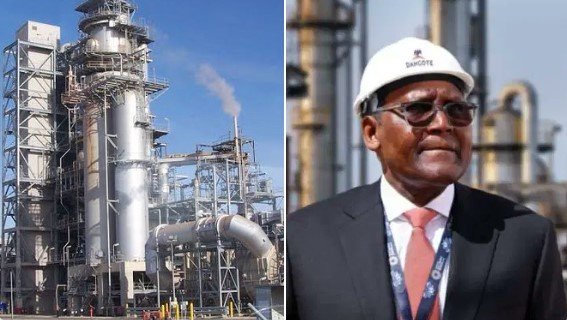
Private petroleum depot owners across Nigeria have increased the ex-depot price of Premium Motor Spirit (petrol) to about ₦800 per litre, triggering fresh concerns over a possible rise in pump prices nationwide.
The latest hike follows the temporary shutdown of the petrol unit at the Dangote Refinery, Africa’s largest refinery, for planned maintenance and upgrade works, according to industry sources.
Dangote Refinery Maintenance Triggers Market Reaction
The Dangote Refinery, which recently began supplying petrol to the domestic market, reportedly suspended operations at its petrol processing unit to carry out scheduled maintenance aimed at improving efficiency and long-term output.
While the shutdown is described as temporary, its immediate impact has been felt across the downstream sector, with depot owners adjusting prices amid fears of supply tightness.
Industry insiders say the refinery’s pause has reduced local supply volumes, forcing marketers to rely more heavily on existing stock and imports, both of which come at higher costs under the current deregulated pricing regime.
Ex-Depot Price Hits ₦800/Litre
Checks within the petroleum distribution chain indicate that several private depots have raised ex-depot prices from previous levels to around ₦800 per litre, representing a sharp jump within days.
Ex-depot price refers to the rate at which petrol is sold from storage depots to marketers before transportation, retail margins, and other costs are added. Any increase at this level almost always translates to higher pump prices at filling stations.
Implications for Pump Prices
With ex-depot prices now hovering around ₦800 per litre, marketers warn that retail pump prices could rise further, depending on logistics costs, location, and margins set by retailers.
Urban centres such as Lagos, Abuja, and Port Harcourt are expected to feel the impact quickly, while prices in distant and landlocked states may rise even higher due to transportation costs.
Motorists across the country have already expressed anxiety, fearing another surge in fuel prices that could worsen inflation and increase the cost of transportation, food, and basic goods.
Marketers Cite Supply and Cost Pressures
Petroleum marketers argue that the price adjustment is driven purely by market forces, noting that fuel pricing in Nigeria is now largely deregulated following the removal of subsidy.
According to depot operators, factors influencing the hike include:
- Reduced supply due to Dangote refinery maintenance
- High import and replacement costs
- Foreign exchange volatility
- Logistics and storage expenses
They insist that the new price is necessary to avoid losses and ensure continued availability of petrol.
Government Yet to Issue Official Statement
As of the time of filing this report, the Federal Government and the Nigerian Midstream and Downstream Petroleum Regulatory Authority (NMDPRA) have not issued an official statement on the development.
However, regulators have previously maintained that while prices are market-determined, they continue to monitor activities in the downstream sector to prevent hoarding, profiteering, and anti-competitive practices.
Growing Public Concern
The latest development has sparked renewed public concern, particularly among transport operators, small business owners, and households already struggling with rising living costs.
Many Nigerians fear that sustained high fuel prices could further strain the economy, weaken purchasing power, and intensify pressure on already stretched incomes.
Outlook
Market watchers say petrol prices will largely depend on:
- How long Dangote Refinery’s petrol unit remains shut
- Import volumes in the coming weeks
- Exchange rate movements
- Global crude oil and refined product prices
If maintenance at the refinery is concluded quickly and domestic supply resumes at scale, prices could stabilize. However, prolonged downtime may keep pressure on depot and pump prices nationwide.
For now, Nigerians are bracing for another round of fuel price adjustments as the downstream market reacts to supply disruptions and broader economic realities.