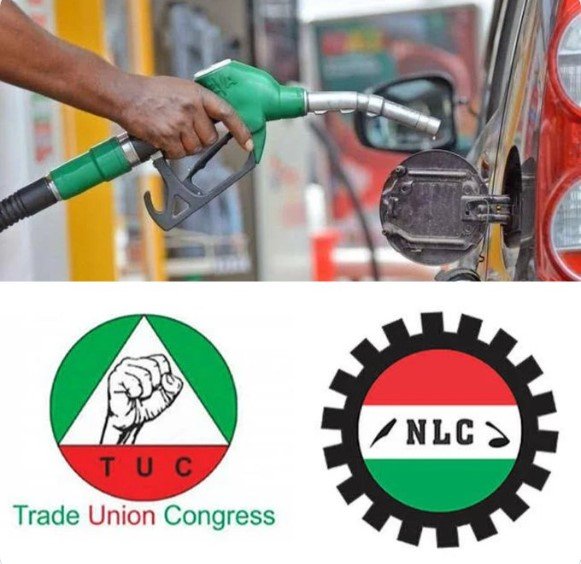
The Federal Government and organised labour are scheduled to resume negotiations on Tuesday, October 27, 2026, over rising petrol prices, minimum wage demands and other unresolved issues affecting workers’ welfare, amid the threat of possible nationwide industrial action.
The meeting is expected to determine the next course of action by the Nigeria Labour Congress (NLC) following the failure of an earlier round of discussions to produce concrete commitments from the government.
The unions are demanding a reduction in petrol prices to levels prevailing when the current national minimum wage was signed into law in 2024, the commencement of negotiations for a new minimum wage, tax relief for workers and the payment of immediate wage awards to cushion the impact of rising living costs.
The NLC has warned that its leadership will consider further action if the government fails to make meaningful progress at the meeting.
According to reports, the Federal Government invited labour representatives back to the negotiating table after requesting additional time to assemble relevant ministers and heads of departments and agencies capable of addressing the outstanding demands.
The outcome of Tuesday’s discussions is expected to influence whether organised labour continues negotiations or escalates its response to the unresolved issues.
Previous Meeting Ends Without Agreement
The renewed negotiations follow a meeting held on October 22, which ended without an agreement between the Federal Government and labour representatives.
The NLC expressed disappointment with the government’s handling of the discussions, alleging that the delegation arrived without the necessary authority to negotiate substantively or make binding commitments on the issues presented.
In a statement following the meeting, the union said the outstanding demands remained unresolved and that no concrete commitments had been secured.
The government subsequently requested an adjournment until October 27 to allow adequate preparations for a more productive engagement.
The NLC’s Assistant Secretary-General, Chris Onyeka, said the union expected the government to come to the meeting with responses to the demands already submitted.
Labour leaders have indicated that the latest meeting should produce tangible progress rather than another round of discussions without specific commitments.
The union had earlier directed its affiliates, state councils and civil society allies to remain alert and prepare for possible nationwide action if the negotiations failed to resolve the dispute.
NLC Demands Reduction in Petrol Prices
One of the major issues before the government is labour’s demand for a reduction in petrol prices to the levels that prevailed when President Bola Tinubu signed the N70,000 national minimum wage into law in July 2024.
The union argues that rising petrol prices have significantly increased transportation costs and contributed to higher prices for food, goods and essential services.
According to labour, the resulting increase in living expenses has weakened workers’ purchasing power, making it increasingly difficult for many employees to meet basic household needs despite receiving the higher minimum wage.
Petrol prices have remained a major source of concern following the removal of the federal government’s petrol subsidy in 2023.
Although the policy was introduced as part of broader economic reforms, the subsequent increases in fuel and transportation costs have placed additional pressure on households and businesses.
Labour maintains that workers require further relief to cope with the consequences of the rising cost of living.
The government is expected to address the union’s position during the resumed talks, although no agreement to reduce petrol prices has been confirmed ahead of the meeting.
Disagreement Over New Minimum Wage Negotiations
Another major point of contention is when negotiations for a new national minimum wage should begin.
The current statutory minimum wage of N70,000 was introduced in 2024 after negotiations involving the Federal Government, organised labour and the organised private sector.
President Tinubu signed the National Minimum Wage Amendment Act into law on July 29, 2024, raising the previous minimum wage of N30,000.
The government maintains that the current wage is due for review on June 1, 2027, based on its interpretation of the applicable three-year review cycle.
However, the NLC wants preparations for a new wage review to begin immediately, arguing that negotiations should start early enough to prevent delays and ensure that workers’ concerns are addressed.
The union has called for the establishment of a National Minimum Wage Tripartite Committee involving the government, organised labour and employers.
Labour argues that the commencement of the process ahead of the proposed review date would provide sufficient time for consultations and negotiations.
The government, however, has previously described an immediate renegotiation as premature, creating a disagreement that remains central to the current dispute.
Labour Seeks Tax Relief and Wage Awards
Beyond petrol prices and the minimum wage, organised labour is seeking the implementation of agreed tax relief measures and immediate wage awards for workers.
The unions argue that tax relief would help improve disposable income at a time when employees are struggling with rising food prices, transportation costs, rent and other household expenses.
They are also demanding wage awards to provide immediate financial support while broader wage negotiations remain unresolved.
Labour has further called for the implementation of outstanding agreements affecting health-sector employees and other public servants.
These include issues associated with the Joint Health Sector Unions and the Assembly of Healthcare Professionals, as well as demands raised by the Joint Public Service Negotiating Council.
The unresolved matters include peculiar allowances, wage awards and hazard allowances.
Labour says these issues must be addressed as part of a comprehensive response to workers’ welfare concerns.
Nationwide Industrial Action Remains a Possibility
The NLC has warned that the outcome of the resumed meeting will determine its next steps.
The union initially issued a two-week ultimatum to the Federal Government on October 8, demanding action on petrol prices, minimum wage negotiations and other outstanding labour matters.
The ultimatum expired on October 22, the same day the earlier meeting ended without an agreement.
Following the deadlock, the union extended its deadline to October 27 to allow further negotiations.
Labour has maintained that it remains open to dialogue but will not accept indefinite delays in resolving the issues.
The possibility of nationwide industrial action remains a source of concern because a major strike could disrupt public services, transport, commercial activities and other sectors of the economy.
However, no nationwide strike should be treated as having commenced merely because the unions have warned of possible action. The NLC’s position is that its relevant organs will determine the next course of action after assessing the outcome of the negotiations.
The Federal Government has an opportunity to address the demands through dialogue and potentially avert an escalation of the dispute.
Rising Cost of Living Intensifies Pressure on Government
The negotiations are taking place against the backdrop of persistent economic hardship affecting workers and households across Nigeria.
Rising food prices, transportation expenses and other essential costs have intensified pressure on incomes, particularly among low-paid employees.
Labour argues that the N70,000 minimum wage has lost some of its purchasing power because of inflation and the depreciation of the naira.
The union says workers who received a substantial nominal wage increase in 2024 are still struggling to meet basic needs as the cost of living continues to rise.
The government, meanwhile, has defended its economic reform agenda, which includes measures intended to improve public finances, strengthen economic stability and encourage investment.
However, the impact of those reforms on household budgets remains a major subject of public debate.
For organised labour, the immediate concern is ensuring that workers receive sufficient income and relief to cope with rising prices.
The resumed talks will therefore test the government’s willingness and ability to respond to the unions’ demands while balancing broader economic considerations.
Conclusion
The Federal Government and organised labour are scheduled to resume negotiations on Tuesday, October 27, 2026, over petrol prices, minimum wage negotiations, tax relief and other unresolved workers’ welfare issues.
The meeting follows an earlier deadlock that prompted the NLC to extend its ultimatum and warn of possible nationwide industrial action.
Labour wants petrol prices reduced to 2024 levels, immediate wage awards and the commencement of negotiations for a new minimum wage before the government’s proposed June 2027 review date.
The unions have also demanded the implementation of outstanding agreements affecting health workers and other public servants.
The outcome of the meeting is expected to shape the next phase of the dispute, with the NLC maintaining that further action will depend on whether the government presents meaningful proposals.
For now, the negotiations represent another opportunity for both sides to reach an agreement and prevent an escalation of the dispute at a time when Nigerian workers are facing mounting pressure from the cost of living.