
Former Power Minister Saleh Mamman Sentenced to 75 Years in Prison Over ₦33.8 Billion Fraud
Court Delivers Landmark Judgment in Major Corruption Case
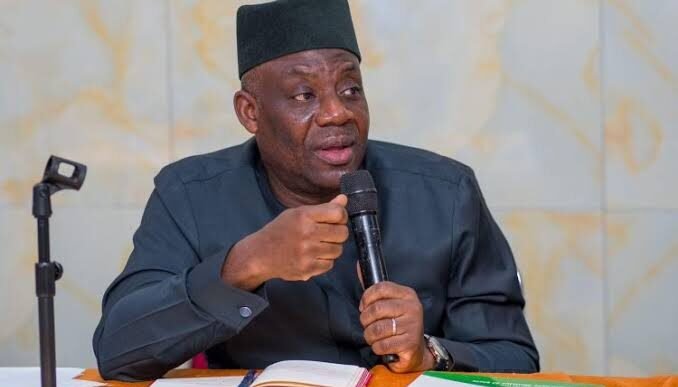
The Federal High Court in Abuja has sentenced former Minister of Power, Saleh Mamman, to a total of 75 years imprisonment after finding him guilty of multiple corruption charges involving the diversion of public funds estimated at ₦33.8 billion.
The judgment, delivered on Thursday, marks one of the most significant anti-corruption convictions involving a former member of Nigeria’s Federal Executive Council in recent years.
The former minister was prosecuted by the Economic and Financial Crimes Commission over allegations bordering on conspiracy, money laundering, and unlawful diversion of funds linked to the Federal Ministry of Power during his tenure under the administration of President Muhammadu Buhari.
According to court proceedings, the anti-graft agency accused Mamman of illegally diverting funds meant for critical power sector projects and channeling them through multiple private accounts and corporate entities.
The court held that the prosecution successfully established its case beyond reasonable doubt, leading to convictions on several counts contained in the charge.
Details of the Charges Against Mamman
The charges against the former minister stemmed from investigations into the handling of funds allocated for power projects across the country.
The EFCC alleged that billions of naira earmarked for the execution of federal projects under the Ministry of Power were fraudulently siphoned through shell companies and proxies.
Investigators told the court that the former minister and his associates used various bank accounts to conceal the origin of the funds, contrary to provisions of Nigeria’s Money Laundering (Prevention and Prohibition) laws.
Part of the allegations included the unlawful transfer and conversion of government funds into personal and third-party accounts for private use.
The prosecution further argued that the diverted funds were proceeds of unlawful activities and were moved in transactions deliberately structured to avoid detection by regulatory authorities.
Court documents revealed that the transactions involved several billions of naira disbursed over a period while Mamman served as Minister of Power.
The judge, while delivering the verdict, ruled that documentary evidence, witness testimonies, banking records, and financial trails presented before the court clearly implicated the former minister.
Breakdown of the 75-Year Sentence
Although the cumulative sentence amounted to 75 years, legal analysts note that such sentences in multi-count convictions are often served concurrently rather than consecutively, depending on the court’s directives.
The court reportedly handed varying prison terms across the different counts on which the former minister was convicted.
The sentencing reflected the gravity of the offences and the enormous amount of public funds involved in the case.
Legal observers described the judgment as one of the stiffest punishments handed to a former Nigerian cabinet member in corruption-related prosecution.
The court also reaffirmed the judiciary’s commitment to accountability and the fight against financial crimes in public office.
EFCC Hails Conviction as Major Anti-Corruption Victory
Following the judgment, the Economic and Financial Crimes Commission described the conviction as a major milestone in Nigeria’s anti-corruption campaign.
Officials of the commission said the ruling demonstrated that no public office holder is above the law, regardless of status or political influence.
The anti-graft agency maintained that the prosecution was part of broader efforts to ensure transparency and accountability in the management of public resources.
EFCC prosecutors had argued throughout the trial that the diversion of funds intended for public infrastructure projects contributed significantly to poor electricity development and delayed power sector reforms in the country.
According to the commission, the alleged fraud deprived millions of Nigerians of the benefits of improved power supply and infrastructure modernization.
Background on Saleh Mamman’s Tenure as Power Minister
Saleh Mamman served as Nigeria’s Minister of Power between 2019 and 2021 under former President Muhammadu Buhari’s administration.
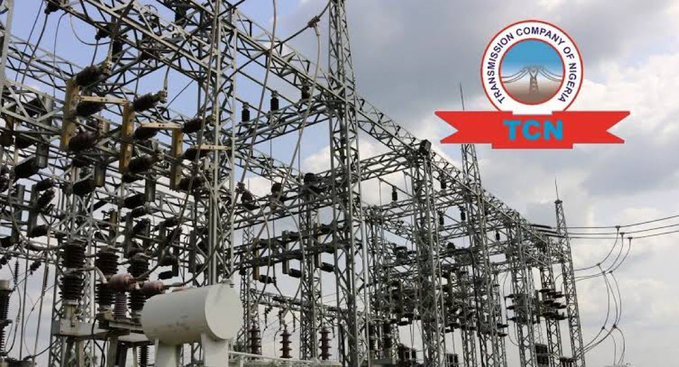
During his tenure, the Ministry of Power supervised several intervention projects aimed at improving electricity generation, transmission, and distribution across the country.
The period was also marked by persistent complaints over unstable electricity supply, grid collapses, and delays in the implementation of key power infrastructure projects.
The ministry handled substantial budgetary allocations and international financing arrangements targeted at revamping the nation’s struggling electricity sector.
Mamman was eventually removed from office during a cabinet reshuffle carried out by former President Buhari in September 2021.
Subsequent investigations by anti-corruption agencies reportedly uncovered suspicious financial transactions linked to contracts and disbursements under the ministry during his time in office.
Nigeria’s Power Sector and Corruption Concerns
Nigeria’s power sector has long faced allegations of corruption, mismanagement, and poor implementation of projects despite massive government spending over the years.
Successive administrations have invested trillions of naira into electricity infrastructure, yet millions of Nigerians continue to experience inadequate power supply.
Experts have repeatedly blamed corruption, policy inconsistencies, weak infrastructure, and poor oversight for the sector’s challenges.
The conviction of a former minister overseeing the sector is expected to reignite public debate over accountability in the management of public funds allocated to electricity projects.
Many Nigerians have expressed frustration over the slow pace of development in the power sector despite repeated promises by government officials.
Analysts say the outcome of the case could increase pressure on anti-corruption agencies to intensify investigations into other abandoned or poorly executed public projects.
Reactions From Legal and Political Circles
The judgment has already generated widespread reactions among legal practitioners, civil society groups, and political observers.
Anti-corruption advocates praised the ruling as a strong signal that financial crimes involving public resources will not go unpunished.
Some legal experts described the judgment as a watershed moment in Nigeria’s anti-graft efforts, particularly because convictions involving high-ranking former government officials are relatively rare.
Civil society organizations also called for the recovery of all allegedly stolen assets connected to the case.
Political analysts believe the verdict could influence public perception ahead of future elections, especially as corruption remains a major issue in national political discourse.
However, supporters of the former minister are expected to challenge the ruling through the appellate courts.
Possibility of Appeal
Legal sources close to the defence team indicated that the former minister may appeal the judgment.
Under Nigerian law, convicted persons retain the constitutional right to challenge court decisions at the Court of Appeal and, ultimately, the Supreme Court.
The defence had reportedly argued during the trial that the prosecution failed to directly link the former minister to some of the transactions presented in evidence.
Lawyers representing Mamman also questioned aspects of the investigation and interpretation of financial records tendered before the court.
Despite those arguments, the trial judge ruled that the totality of evidence before the court sufficiently established criminal liability.
The outcome of any appeal process could determine whether the conviction and sentence will stand permanently.
Renewed Focus on Public Accountability
The conviction of a former federal minister over alleged diversion of ₦33.8 billion is expected to intensify conversations around transparency in governance and public finance management.
Public policy experts argue that stronger monitoring mechanisms are needed to prevent the misuse of funds allocated for critical national infrastructure projects.
They also stress the importance of institutional reforms aimed at strengthening procurement systems, auditing processes, and project implementation oversight.
The case has again highlighted concerns over how corruption can undermine national development, particularly in sectors such as electricity, transportation, healthcare, and education.
For many Nigerians, the judgment represents both a warning to public office holders and a test of the country’s commitment to fighting corruption at the highest levels of government.
As the legal process continues, attention will remain focused on whether additional recoveries, prosecutions, or reforms emerge from the investigation into the alleged diversion of public funds within the Ministry of Power.
The sentencing of Saleh Mamman may ultimately become one of the defining anti-corruption cases in Nigeria’s recent political history.