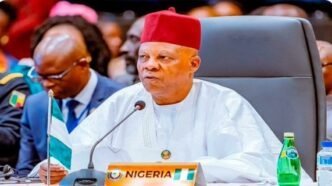
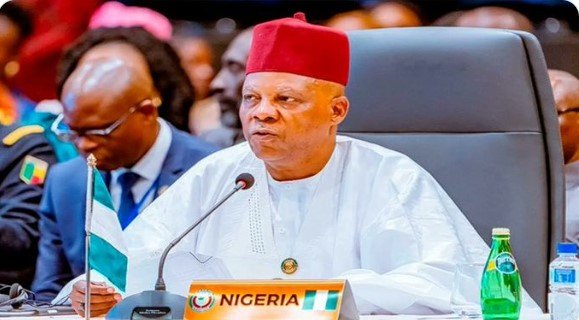
FREETOWN, Sierra Leone — Vice-President Kashim Shettima has strongly condemned the rising wave of xenophobia against Nigerians and other African nationals, reminding African leaders that Nigeria made enormous sacrifices to support the liberation of South Africa from apartheid, including deductions from scholarship allowances paid to Nigerian students.
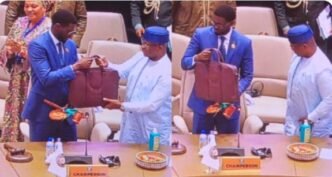
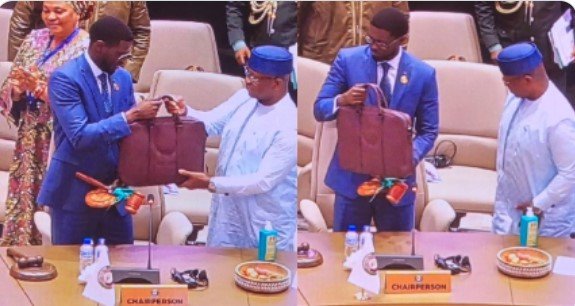
Shettima made the remarks on Sunday while addressing the 69th Ordinary Session of the Authority of Heads of State and Government of the Economic Community of West African States (ECOWAS) in Freetown, Sierra Leone.
The Vice-President’s comments came as he reflected on Nigeria’s historic leadership role in Africa’s liberation struggles and urged African countries to reject xenophobia, discrimination and division in favour of continental unity and solidarity.
His remarks have reignited conversations about Nigeria’s significant contributions to the anti-apartheid struggle and the need for stronger protection of African migrants across the continent.
Shettima Recalls Nigeria’s Sacrifices
Speaking before West African leaders, Shettima said Nigeria did not merely express support for liberation movements during the apartheid era but made real financial sacrifices to advance the cause of freedom in Southern Africa.
According to him, generations of Nigerian students experienced deductions from their scholarship allowances because the country committed resources to supporting liberation movements fighting racial oppression in South Africa.
He noted that these sacrifices reflected Nigeria’s longstanding commitment to African unity and the collective struggle against colonialism and apartheid.
The Vice-President said millions of Nigerians willingly supported government initiatives aimed at helping oppressed African nations regain their freedom despite the economic implications for the country.
He stressed that Nigeria’s role during Africa’s liberation struggles was driven by principle rather than the expectation of future rewards.
Condemning Xenophobia
Shettima used the occasion to condemn acts of xenophobia occurring in parts of Africa, describing them as contrary to the ideals upon which African unity was built.
He said it was unfortunate that citizens of African countries who once benefited from solidarity across the continent now experience hostility and violence in fellow African states.
The Vice-President argued that Africa cannot genuinely pursue regional integration and economic cooperation while discrimination against fellow Africans persists.
He urged African governments to strengthen efforts aimed at protecting migrants, promoting tolerance and encouraging peaceful coexistence among citizens of different African countries.
According to him, xenophobia undermines decades of progress made toward continental integration and weakens Africa’s collective voice in global affairs.
Nigeria’s Historic Role in the Anti-Apartheid Movement
Nigeria played one of the most significant roles in the international campaign against apartheid in South Africa.
Throughout the apartheid era, successive Nigerian governments provided financial, diplomatic and political support to liberation movements, particularly the African National Congress (ANC) and other organisations opposing racial segregation.
The country consistently advocated sanctions against the apartheid regime and used international platforms to mobilise global pressure for democratic reforms in South Africa.
Nigeria also offered scholarships, humanitarian assistance and diplomatic backing to South African exiles during the struggle.
One of the most symbolic initiatives undertaken during that period was the establishment of the Southern Africa Relief Fund, through which Nigerians voluntarily contributed resources to support liberation efforts.
Many public servants, workers and students participated directly or indirectly in fundraising efforts aimed at supporting the anti-apartheid cause.
The country’s commitment earned it recognition as one of Africa’s leading voices against racial oppression.
Scholarship Deductions Remembered
Shettima’s reference to scholarship deductions recalls one of the most memorable aspects of Nigeria’s support for Southern African liberation.
During the struggle against apartheid, Nigerian governments introduced mechanisms through which portions of certain public funds, including scholarship-related payments, were channelled toward supporting liberation movements.
Many Nigerians accepted the deductions as part of a broader national commitment to African solidarity.
The policy became a symbol of the country’s willingness to bear economic costs in pursuit of justice and freedom for oppressed African populations.
Historians have frequently cited these contributions as evidence of Nigeria’s influential role in Africa’s political development during the second half of the twentieth century.
Call for African Unity
The Vice-President emphasised that Africa’s future depends on greater cooperation rather than division.
He urged African leaders to continue strengthening institutions that promote regional integration, economic cooperation and peaceful coexistence.
According to him, the ideals that inspired Africa’s liberation struggles should continue guiding relationships among African nations today.
He argued that discrimination against fellow Africans weakens efforts to establish a prosperous and united continent capable of addressing common security, economic and development challenges.
Shettima encouraged governments to educate younger generations about Africa’s shared history and the sacrifices made by earlier generations in pursuit of independence and freedom.
ECOWAS Summit Focuses on Regional Challenges
The Vice-President delivered the remarks during the 69th Ordinary Session of the ECOWAS Authority of Heads of State and Government held in Freetown.
The summit brought together leaders from across West Africa to deliberate on regional security, economic integration, democratic governance and institutional reforms.
Among the issues discussed were terrorism, political instability, economic development, trade under the African Continental Free Trade Area (AfCFTA), infrastructure development and regional peacebuilding.
Shettima represented President Bola Tinubu, who recently concluded his tenure as Chairman of the ECOWAS Authority after serving in the position for one year.
The meeting also marked another opportunity for West African leaders to reaffirm commitments toward regional cooperation amid evolving political and security challenges.
Nigeria’s Foreign Policy Legacy
Successive Nigerian administrations have consistently described Africa as the centrepiece of the country’s foreign policy.
Since independence in 1960, Nigeria has actively supported liberation movements across Southern Africa, contributed troops to peacekeeping operations and provided humanitarian assistance to several African countries.
Nigeria has participated extensively in peace missions under the United Nations, the African Union and ECOWAS.
The country has also contributed significantly to conflict resolution efforts in Liberia, Sierra Leone, Guinea-Bissau, Mali and The Gambia.
Analysts say these interventions have reinforced Nigeria’s reputation as one of Africa’s leading diplomatic and peacekeeping powers.
Renewed Debate on Xenophobia
Shettima’s comments are expected to revive public discussions regarding xenophobic attacks that have periodically affected Nigerians and other African migrants, particularly in South Africa.
Over the past decade, repeated incidents involving attacks on foreign nationals have generated diplomatic concerns and strained relations between some African countries.
Nigerian governments have consistently condemned such attacks and urged host governments to protect lives and property regardless of nationality.
The Vice-President’s remarks highlight the contrast between Nigeria’s historical sacrifices for African liberation and the treatment sometimes experienced by Nigerians living elsewhere on the continent.
Observers believe the comments could encourage renewed dialogue on strengthening protections for migrants under existing African Union and regional agreements.
Importance of Continental Solidarity
Experts argue that African integration requires not only economic agreements but also stronger social and political commitment among member states.
Regional organisations such as ECOWAS and the African Union continue promoting the free movement of people, goods and services as essential components of continental development.
However, analysts note that discrimination and xenophobia remain obstacles to achieving these objectives.
Promoting mutual respect, protecting migrants and strengthening cross-border cooperation are increasingly viewed as critical steps toward realising the aspirations of Agenda 2063 and the African Continental Free Trade Area.
Looking Ahead
As African leaders continue discussions on regional integration and development, Shettima’s remarks serve as a reminder of Nigeria’s historic contributions to the continent’s liberation struggles and the enduring importance of unity.
His call for an end to xenophobia underscores the need for African nations to uphold the principles of solidarity that helped secure independence for many countries decades ago.
With regional organisations seeking deeper cooperation in trade, security and governance, many observers believe eliminating discrimination against fellow Africans will be essential to building a more integrated, peaceful and prosperous continent.
For Nigeria, the Vice-President’s address reinforces the country’s longstanding foreign policy position that Africa’s strength lies in unity, mutual respect and a shared commitment to protecting the dignity and rights of every African citizen.