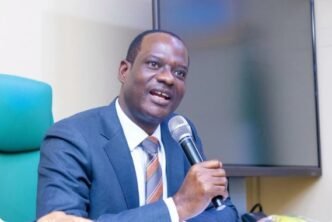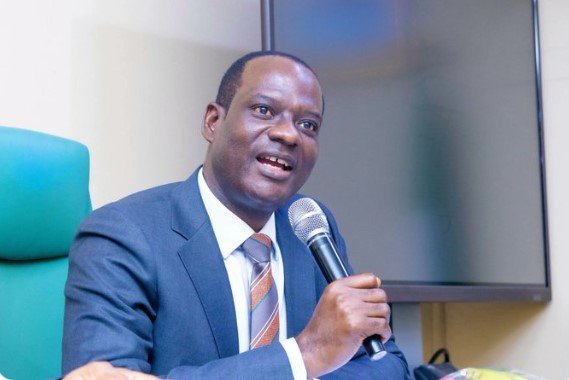
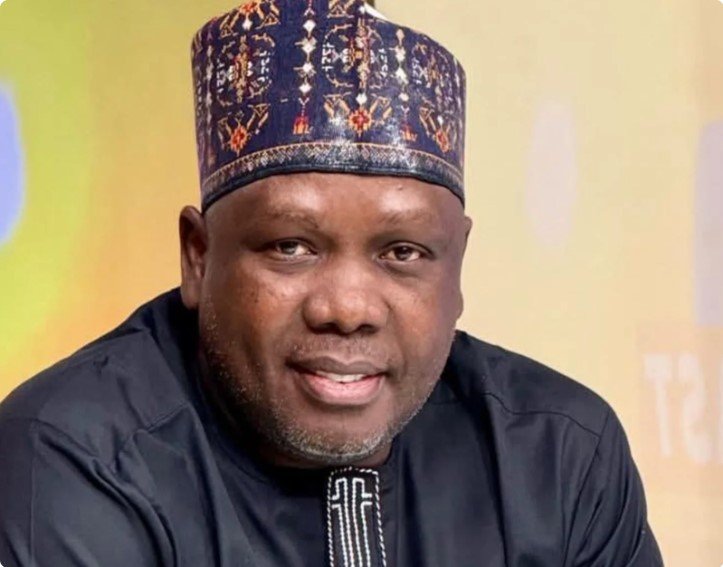
President Bola Tinubu’s Special Adviser on Policy Communication, Daniel Bwala, has criticised the Nigeria Democratic Congress (NDC) over its newly constituted National Campaign Council for the 2027 general elections, describing the list as being “filled with content creators”.
Bwala made the remarks in a post on X on Sunday, October 25, 2026, shortly after the opposition party announced the composition of its campaign council.
The presidential aide also accused the NDC of failing to publicly identify what he described as its media surrogates operating within mainstream broadcasting organisations.
His comments were directed at the party and its presidential candidate, Peter Obi, following the announcement of a campaign structure expected to coordinate the party’s activities and mobilise support ahead of the next general elections.
In his post, Bwala wrote: “@PeterObi and NDC have released their list of campaign council members; and as expected it is filled with content creators.”
He added: “They stylishly refused to name their campaign media surrogates in the mainstream media masquerading as OAP.”
The remarks have added to the political exchanges surrounding preparations for the 2027 elections, as political parties begin assembling their campaign teams, assigning responsibilities and developing strategies to reach voters across the country.
Bwala Questions Composition of NDC Campaign Council
Bwala’s criticism focused on the composition of the NDC’s National Campaign Council and the role of content creators in the party’s political communication strategy.
Content creators have become increasingly visible in Nigerian politics, using social media platforms to publish videos, comment on government policies, promote candidates and engage directly with supporters.
Political parties and politicians increasingly use digital platforms to reach younger voters, distribute campaign messages and respond to developments without relying exclusively on conventional media organisations.
However, Bwala’s comments suggested that he questioned the prominence of content creators within the NDC’s campaign structure.
He also alleged that the party had not disclosed the identities of individuals he believes support its political messaging through mainstream broadcasting.
In referring to on-air personalities, commonly known as OAPs, Bwala suggested that some media figures were supporting the party without being publicly identified in the campaign council.
He did not name any specific broadcaster in the post or provide publicly documented examples to substantiate the allegation.
His comments should therefore be understood as criticism and allegations made by the presidential aide, rather than independently established findings about the activities of particular media professionals.
The NDC had not, in the announcement cited, publicly responded directly to Bwala’s remarks.
NDC Names Peter Obi, Henry Seriake Dickson and Kwankwaso
The NDC announced its National Campaign Council on Sunday as part of its preparations for the 2027 general elections.
Under the arrangement, the party’s National Leader, Senator Henry Seriake Dickson, was named chairman of the council, while Obi, the party’s presidential candidate, was appointed co-chairman.
The party’s National Chairman, Senator Cleopas Moses Zuwoghe, was named vice-chairman, while Senator Rabiu Musa Kwankwaso, its vice-presidential candidate, was appointed co-vice-chairman.
The party’s National Secretary, Ikenna Morgan Enekweizu, was also named council secretary, while Ibrahim Hussain Abdulkarim was appointed Director-General of the presidential campaign.
The leadership structure brings together some of the party’s principal political figures to oversee campaign coordination and mobilisation ahead of the election.
Other prominent figures named in the broader campaign structure include former Secretary to the Government of the Federation Babachir Lawal, former senator Ovie Omo-Agege, Senator Victor Umeh, Buba Galadima and Victor Ogene.
The announced structure also includes a national campaign advisory council and coordinators for the states.
The appointments are intended to establish responsibilities for political mobilisation, campaign administration, communication and other activities associated with a nationwide election campaign.
The NDC said the council would provide strategic leadership, coordinate campaign activities across the country and mobilise Nigerians behind its political vision.
The party also said it intended to run a people-centred and issue-based campaign, urging its members and supporters to remain united as preparations for the elections continue.
Party Says Campaign Council Will Drive Nationwide Mobilisation
In announcing the council, the NDC said the structure would help coordinate its activities and promote its vision of a “new, just, and prosperous Nigeria”.
The party’s stated objective is to establish a coordinated campaign structure capable of connecting its national leadership with state-level organisations and supporters.
Campaign councils typically bring together political leaders, party officials and individuals assigned responsibilities for communications, security, mobilisation, logistics and other aspects of electioneering.
Such structures can also help political parties develop consistent messaging, coordinate public appearances and organise engagement with voters in different parts of the country.
The effectiveness of a campaign council, however, cannot be determined solely by the titles or number of people included in its membership.
Its performance may depend on the ability of its members to coordinate activities, communicate policy proposals, mobilise supporters and translate political messages into voter engagement.
Bwala’s criticism has placed the composition of the NDC council under political scrutiny, particularly regarding the role of digital media personalities and the visibility of supporters operating within conventional media.
The party’s stated commitment to an issue-based campaign will also be tested by the substance of its proposals and how effectively it communicates them to the electorate.
Content Creators Increasingly Influence Nigerian Politics
The exchange highlights the growing importance of digital communication in Nigeria’s political environment.
Social media platforms have become major channels through which politicians announce decisions, respond to criticism and communicate directly with supporters.
Content creators can reach large audiences through short videos, live broadcasts, interviews, commentary and other digital formats.
For political parties, working with such individuals can provide opportunities to reach voters who may not regularly follow traditional television, radio or newspaper coverage.
Digital platforms can also allow campaigns to respond quickly to emerging issues and distribute messages beyond the reach of conventional advertising.
At the same time, the growing influence of online political communication has raised questions about the accuracy of information, the transparency of paid political promotion and the distinction between independent commentary and campaign advocacy.
Audiences may not always know whether a political message reflects an individual’s personal opinion, a formal party position or a paid promotional arrangement.
These concerns make transparency important, particularly during election periods when voters rely on information from multiple sources to assess candidates and political parties.
Nevertheless, the presence of content creators in a campaign structure does not, by itself, establish that the structure is ineffective. Their contribution depends on their responsibilities, experience, reach and ability to communicate credible information.
Similarly, the participation of an on-air personality in political discussion does not automatically establish that the individual is acting as an undisclosed surrogate for a party.
Any such allegation requires specific evidence and should be assessed on its merits.
Bwala’s Remarks Add to Political Exchanges Ahead of 2027
Bwala’s comments come as political actors intensify their preparations for the 2027 general elections.
The formation of campaign councils is an important stage in the preparations of parties seeking to organise their supporters and present their candidates to the electorate.
The councils provide a framework for assigning leadership responsibilities, coordinating political activities and developing strategies for engaging voters.
For the NDC, the appointments of Obi and Kwankwaso as its presidential and vice-presidential candidates place the party’s leadership at the centre of its national campaign structure.
Dickson’s position as chairman also gives the party’s national leader a central role in overseeing the council.
Bwala’s criticism, meanwhile, illustrates how campaign announcements can quickly become subjects of political debate, particularly when they involve prominent opposition figures and the ruling administration.
Political exchanges on social media are likely to remain a feature of the run-up to the election as parties seek to defend their records, challenge their opponents and persuade voters to support their candidates.
However, campaign rhetoric and personal criticism do not replace the need for substantive debate about the economy, security, education, healthcare, employment and other issues affecting Nigerians.
Voters will ultimately assess political parties based on a range of considerations, including their policy proposals, leadership records, credibility and ability to address national challenges.
No Specific Media Surrogates Identified in Bwala’s Post
Although Bwala accused the NDC of concealing the identities of media surrogates allegedly operating in mainstream broadcasting, he did not identify the individuals he was referring to.
The available information also does not establish that the party deliberately withheld names for the purpose he suggested.
Consequently, the allegation remains Bwala’s own assessment of the campaign council and the party’s media strategy.
The distinction is important because public political commentary can influence perceptions of individuals and organisations even when specific supporting evidence has not been presented.
The NDC’s published campaign structure provides information about its leadership and appointed officials, but Bwala’s separate claim about undisclosed media supporters would require further details before it could be independently verified.
A response from the party or evidence identifying the alleged individuals could provide additional context to the dispute.
Conclusion
Bwala has criticised the NDC’s National Campaign Council for the 2027 general elections, describing its membership as being “filled with content creators” and accusing the party of failing to identify its alleged media surrogates in mainstream broadcasting.
The comments followed the party’s announcement of a campaign structure led by Henry Seriake Dickson as chairman, with Peter Obi serving as co-chairman and Rabiu Musa Kwankwaso as co-vice-chairman.
The NDC says the council will coordinate nationwide campaign activities and promote its vision of a new, just and prosperous Nigeria.
Bwala’s remarks have introduced another point of political contention as preparations for the 2027 elections gather momentum.
While the presidential aide has questioned the composition of the opposition party’s campaign team, the practical effectiveness of the council will depend on its organisation, strategy, public engagement and ability to communicate credible proposals to voters.
For now, the allegation about undisclosed media surrogates remains unsubstantiated in the public remarks cited, and no specific broadcasters were identified by Bwala.
As the election approaches, the debate over campaign personnel and political communication is likely to continue alongside broader discussions about the policies and leadership choices facing Nigerian voters.