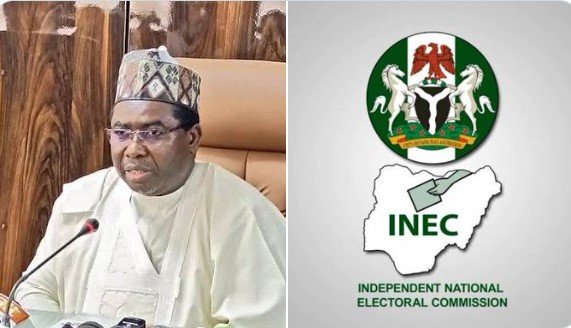
The Independent National Electoral Commission (INEC) has officially announced Saturday, June 20, 2026, as the date for by-elections to fill vacant legislative seats across six states in Nigeria.
The electoral body disclosed that the by-elections will be conducted alongside the already scheduled governorship election in Ekiti State, a move aimed at improving efficiency, reducing costs, and ensuring better deployment of electoral resources.
The announcement marks a significant step in INEC’s efforts to address vacancies in legislative representation across affected constituencies while maintaining momentum toward the broader electoral calendar ahead of the 2027 general elections.
Vacant Legislative Seats Across Six States
According to INEC, the by-elections will cover vacant seats in both the National Assembly and various State Houses of Assembly where representation has been lost due to death, resignation, appointment to executive positions, or judicial rulings.
The six affected states are expected to witness fresh political activity as parties prepare to contest for the open seats and restore representation for constituents currently without elected lawmakers.
Although the commission is yet to release the full list of constituencies involved in all the affected states, the decision confirms that preparations are now underway for political parties, candidates, and electoral officials.
Political observers say these by-elections could serve as an early test of party strength ahead of the larger 2027 electoral contests.
Ekiti Governorship Election to Hold Same Day
The June 20 date also coincides with the already scheduled governorship election in Ekiti State, where voters will elect a successor to the current administration.
By combining both exercises on the same day, INEC is expected to optimize logistics, security arrangements, and personnel deployment.
The commission has in previous elections adopted similar strategies to reduce duplication of costs and strengthen operational efficiency.
Election experts say conducting both polls simultaneously may also improve voter turnout, especially in areas where citizens will participate in multiple electoral decisions on the same day.
However, they also note that the complexity of managing different ballots and electoral processes will require careful planning and voter education.
INEC’s Electoral Preparations Intensify
The announcement signals the beginning of intensified preparations by INEC as the commission continues to implement its constitutional responsibility of conducting free, fair, and credible elections.
Preparatory activities are expected to include party primaries, publication of election guidelines, voter education campaigns, training of ad hoc staff, and coordination with security agencies.
INEC is also expected to update stakeholders on timelines for submission of candidates, campaign periods, and compliance with electoral regulations.
Political parties are likely to move quickly to identify candidates, particularly in constituencies where competition is expected to be fierce.
For many aspirants, the by-elections represent an opportunity to gain legislative entry before the full 2027 election season.
Strategic Importance of By-Elections
Though often smaller in scale than general elections, by-elections carry major political significance.
They can alter legislative balances, strengthen regional political influence, and provide insight into voter sentiment ahead of larger national contests.
In some cases, by-election outcomes have served as indicators of public satisfaction or dissatisfaction with ruling parties at both federal and state levels.
Analysts say the June 20 by-elections could become politically important, especially if major parties such as the All Progressives Congress (APC), Peoples Democratic Party (PDP), Labour Party (LP), and other opposition groups see the contests as strategic battlegrounds.
Results may also influence coalition-building and political negotiations leading into 2027.
Political Parties Begin Mobilization
Following INEC’s announcement, political parties are expected to intensify grassroots mobilization and internal consultations.
State chapters of major parties will likely begin screening potential candidates and preparing for primary elections in line with INEC guidelines.
Party leaders are also expected to pay close attention to the Ekiti governorship race, which remains one of the most politically significant off-cycle governorship elections in the country.
The alignment of the governorship poll with legislative by-elections could increase national political attention and bring top-level campaign activity to affected states.
Observers say campaign strategies will likely focus on local development, security, infrastructure, and economic concerns affecting constituents.
Security and Logistics Key to Success
As with every election cycle, security and logistics remain central to successful poll conduct.
INEC is expected to work closely with the Nigeria Police Force, the Department of State Services, the Nigeria Security and Civil Defence Corps, and other agencies to ensure peaceful voting.
Security concerns often shape voter participation, especially in politically sensitive constituencies.
Logistics management—including ballot distribution, staff deployment, and real-time monitoring—will also be crucial, particularly with two major electoral exercises taking place on the same day.
Past elections have shown that delays and logistical breakdowns can significantly affect public confidence in the process.
Public Expectations for Credible Polls
Citizens and civil society groups are already calling on INEC to ensure transparency and fairness throughout the process.
Election monitoring organizations have urged the commission to maintain neutrality, strengthen result transmission systems, and prevent voter suppression or manipulation.
Voters in affected constituencies are particularly eager for restored representation, especially where vacant seats have delayed legislative attention to local concerns.
For Ekiti voters, the governorship election carries broader significance as it will shape the state’s leadership direction for the next political cycle.
Public trust in the outcome will depend heavily on the credibility of both exercises.
Looking Ahead to June 20
With June 20 now officially fixed, the political countdown has begun.
Candidates will soon emerge, campaigns will intensify, and party structures will test their strength in preparation for what many see as a preview of the 2027 political landscape.
INEC’s ability to successfully manage both the by-elections and the Ekiti governorship poll on the same day will be closely watched by Nigerians, political stakeholders, and international observers.
The election outcomes may not only fill vacant seats but also reshape momentum for the next major electoral cycle.
Conclusion
The Independent National Electoral Commission’s decision to hold by-elections in six states on June 20, 2026, alongside the Ekiti State governorship election, marks an important moment in Nigeria’s democratic calendar.
The move reflects both administrative strategy and political significance, as legislative representation is restored while a key governorship contest unfolds simultaneously.
As parties prepare for battle and voters anticipate the polls, attention now turns to how effectively INEC can deliver a credible, peaceful, and transparent electoral process.
For Nigeria’s democracy, June 20 will be more than just an election day—it will be a critical test of institutional trust and political accountability.